Tough rules for exploration in D'Entrecasteaux park
Tough environmental conditions have been imposed on a mineral exploration program to be carried out in some sections of the D'Entrecasteaux National Park.
Tough environmental conditions have been imposed on a mineral exploration program to be carried out in some sections of the D'Entrecasteaux National Park.
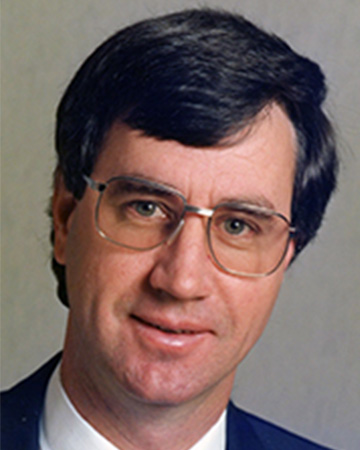
Environment Minister Bob Pearce today announced the go-ahead and said the environmental conditions were among the most stringent ever set for a mineral exploration company in Western Australia.
Mr Pearce said he had upheld the Environmental Protection Authority's recommendation that Cable Sands (WA) Pty Ltd be allowed to proceed subject to strict environmental conditions.
His approval was for exploration only and was consistent with the State Government's policy on mining in national parks.
"Exploration approval does not mean mining approval," he said.
"If the company finds viable mineral deposits, it will have to carry out a public environmental impact assessment before any development proposal would even be considered.
"The consent of both Houses of Parliament would also be needed for it to go ahead.
"The company has agreed to the rigid conditions I have set and has also made a range of commitments to further protect the park's environment.
"The exploration work will involve the use of a small rig mounted on a light-weight, four-wheel drive vehicle.
"I am certain that any reasonable person studying the conditions and commitments would agree that all environmental concerns have been addressed."
No drilling would take place in permanent water bodies or other environmentally significant areas such as Lake Jasper, Black Point, Black Head, Mount Chudalup and the limestone cliffs at Windy Harbour.
Mr Pearce said the major conditions were:
· that the company prepare and implement strict dieback hygiene programs, and -
· that acceptable environmental management programs be in place before exploration began on approved access routes.
He said Cable Sands would also need to:
· conform to the requirements of the Mining Act, Environmental Protection Act, Aboriginal Heritage Act, Conservation and Land Management Act, Heritage of WA Act and Wildlife Conservation Act;
· liaise with CALM and the Mines Department throughout the project;
· identify access routes for drilling to avoid disturbing rare vegetation and sites of cultural significance;
· protect any rare fauna species or its habitat during the exploration program;
· where possible, use existing tracks as access routes;
· control the spread of dieback by using hand-held equipment if exploring off existing tracks, and -
· backfill drill holes.
Mr Pearce said the go-ahead was in line with the Government's 'Resolution of Conflict' policy announced in November 1990.
It aimed to strike a balance between preserving the State's national parks and recognising the importance of mining to the State's economic development and the creation of employment opportunities.
The policy allowed exploration in certain parts of three national parks - Hamersley Range, Rudall River and D'Entrecasteaux.
"Under this policy, if mining does go ahead in any of these parks, the land excised for that would have to be matched by additions to the park," he said.
"The Government's policy allows only one per cent of the park's total area to be excised.
"That means that if any excisions are made when the mineral assessment of D'Entrecasteaux is completed, 99 per cent of the total park area will be excluded from all future exploration and mining."
Mr Pearce said that under the conditions imposed on Cable Sands, there would be no exploration of rocky headlands, the steep vegetated seaward-facing dunes of the Quindalup foreshore or the frontal dunes nearest the beach.
No exploration would be allowed in public use areas during periods of peak recreational activity, such as long weekends.