


WA aquarium owners are urged to check for any unwanted pests when introducing aquatic plants or live ornamental products into their tanks.
The Department of Primary Industries and Regional Development (DPIRD) is raising awareness of the threat of ‘hitchhiker’ ‘aquatic pests including the invasive zebra mussel which has been linked to imported marimo moss balls in some countries.
Marimo moss balls are a live, freshwater aquatic algae used in aquarium displays and are currently not permitted to be imported into Australia. Zebra mussel is also not permitted to be imported into Australia and in WA it is listed as a noxious fish under the Fish Resources Management Act.
Anyone who has previously purchased moss balls is urged to closely inspect them for zebra mussel and other aquatic hitchhikers. This is best achieved by removing the moss ball from the tank and using a torch or magnifying glass.
DPIRD principal aquatic biosecurity scientist Justin McDonald said exotic hitchhiker species like zebra mussel could threaten Australia’s aquatic ecosystems and pose significant risks to the economy.
“Zebra mussel is a small freshwater mussel that has spread from its native range in eastern Europe to western Europe and north America as a hitchhiker pest,” Dr McDonald said.
“This invasive mussel can harm ecosystems by displacing native species, disturbing habitat and altering water quality, as well as damaging water infrastructure by blocking pipes.”
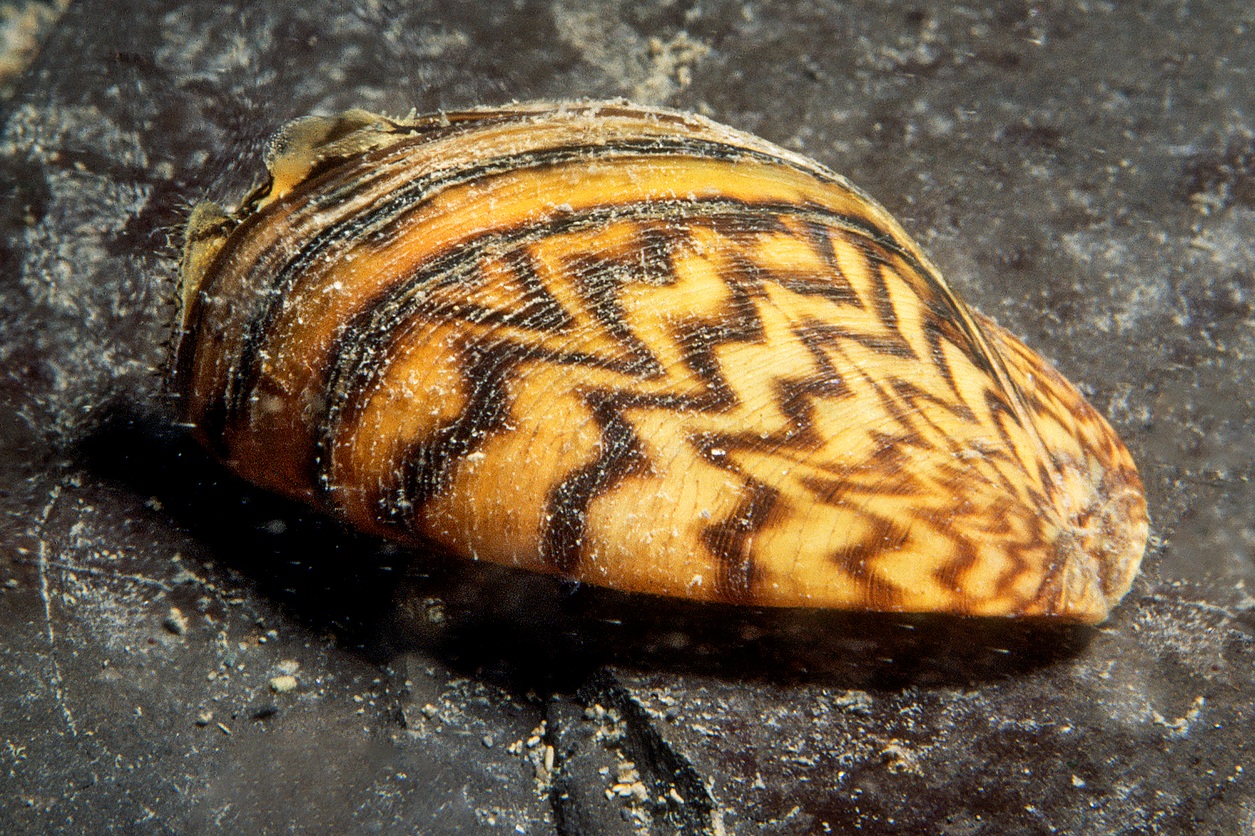
Zebra mussel has a distinct triangular shell with a flat underside and typically features dark and light zebra or zig-zag patterning. It can grow up to 50mm but is more usually the size of fingernail.
It is typically found attached to objects, surfaces or other mussels by threads extending from underneath the shells.
Dr McDonald said DPIRD was increasing its aquatic freshwater biosecurity testing capability to detect zebra mussel, including a zebra mussel specific molecular test.
“We have already undertaken eDNA based surveillance and molecular testing through the department’s award winning marine State Wide Array Surveillance Program which operates in ports from Broome to Esperance,” he said.
“The community also has an important role in preventing zebra mussel and other exotic aquatic pests from becoming established in Australia.
“Anyone with a freshwater aquarium or pond can assist by reporting any signs of pests or anything unexpected in purchased items such as aquarium plants, animals or products through the department’s FishWatch or MyPest Guide Reporter.”
For more information visit the DPIRD website.
 Print this page
