


The year’s first edition of the PestFacts WA e-newsletter will be issued soon, marking 30 years of this valuable grains industry tool.
The popular online publication is essential reading for farmers and consultants to keep up to date with invertebrate pest and disease threats – helping to protect and optimise crop and pasture potential.
This free interactive resource, produced by the Department of Primary Industries and Regional Development (DPIRD) with co-investment from the Grains Research and Development Corporation, is delivered direct to subscribers and is available on the department’s website.
The PestFacts WA e-newsletter is published regularly during the growing season, providing crucial on-ground intelligence from contributors across the Wheatbelt and expert DPIRD information and advice to inform crop management strategies.
It also features information on surveillance techniques, pest and disease identification, and the latest integrated management advice.
The past three decades has seen the PestFacts WA e-newsletter evolve from a paper-based product – originally known as PestFax, which was facsimiled to recipients – to a sophisticated digital product with value added content.
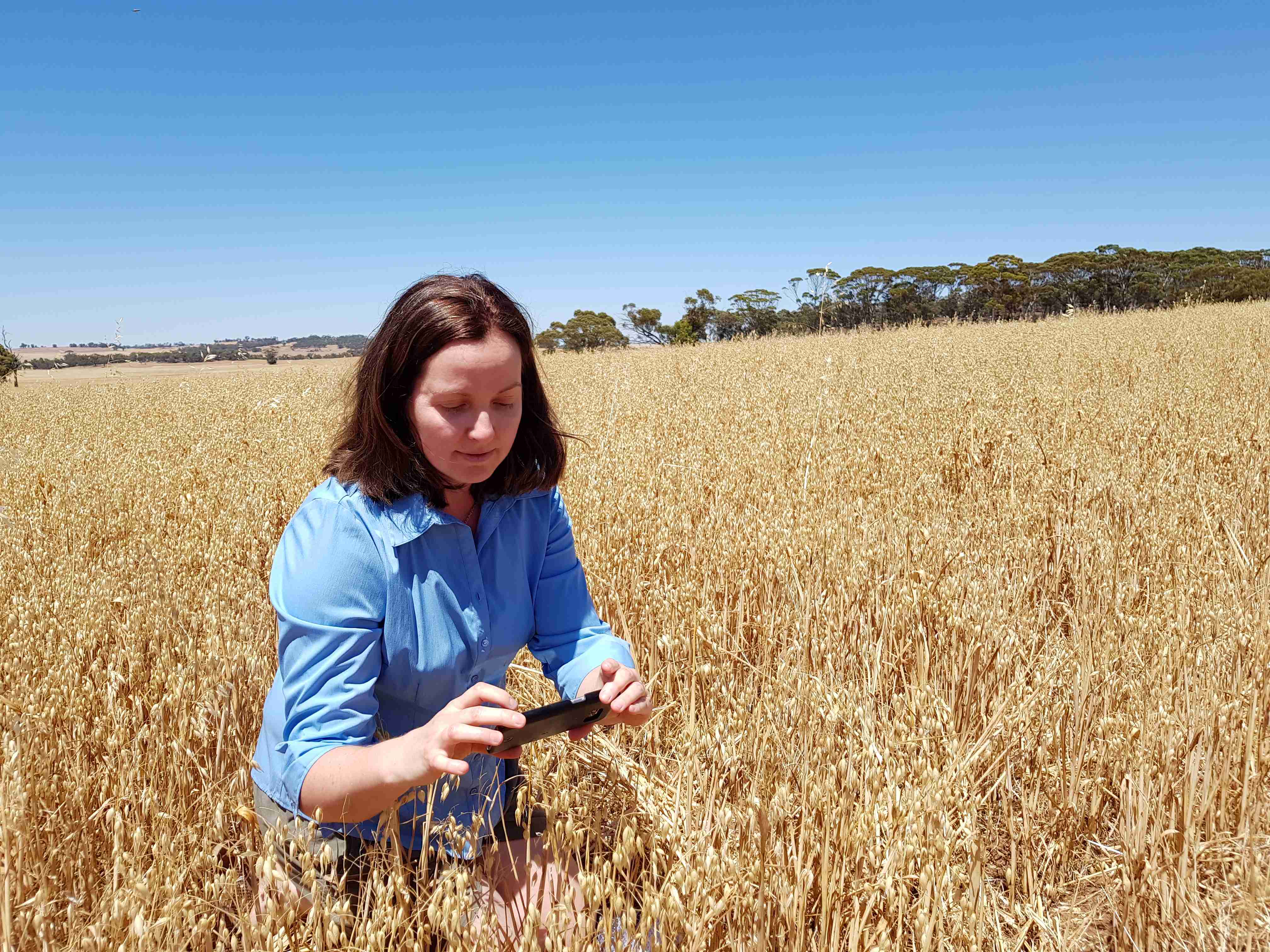
There is now a suite of PestFacts WA products, including the PestFacts WA map of pest and disease occurrences and the PestFacts WA Reporter app for quick paddock pest and disease identification and reporting.
These resources also play a pivotal role as an early warning system to support the State’s biosecurity measures.
The service also delivers a volunteer native budworm trapping program, insecticide spray guides, an annual insect and plant disease training course, and seasonal webinars.
PestFacts WA project lead DPIRD research scientist Cindy Webster said PestFacts had become invaluable, backed by the expertise of DPIRD staff and industry contributions.
“The sudden appearance of large number of insect pests or a plant disease can lead to major production losses within a short period of time, impacting industry and growers’ margins,” she said.
“The PestFacts WA alert system forewarns growers of current or imminent pest and diseases, enabling rapid and effective management to minimise grain and pasture production losses.
“Over the past 30 years, the PestFacts WA service has received more than 50,000 reports.
“It has played an integral role helping detect new insect pest and plant disease occurrences in WA, such as the Russian wheat aphid in the Esperance port zone in 2020.
“At the heart of the PestFacts WA service is its amazing staff and contributors, without whom the resource would not be as impactful as it is – for which we a truly grateful.
“I encourage the PestFacts WA community to continue to keep a watchful eye for pests and diseases this season and to send in reports of their observations.
“If you’re unsure what you have found, you can request identification from our experienced staff.”
GRDC Manager Regulation and Biosecurity Jeevan Khurana said GRDC had played a key role in supporting Pest Facts WA to ensure growers have access to credible, timely pest and disease intelligence that supports on farm decision making.
“Through this current investment, GRDC is strengthening the integration of surveillance, diagnostics and communications,” Dr Khurana said.
“This will help the service to continue to deliver seasonal threat information, respond to emerging risks and maintain strong local capability within a nationally connected framework.”
To find out more about the PestFacts WA suite of products and sign up to receive the PestFacts WA e-newsletter visit the PestFacts WA webpage.
 Print this page
