


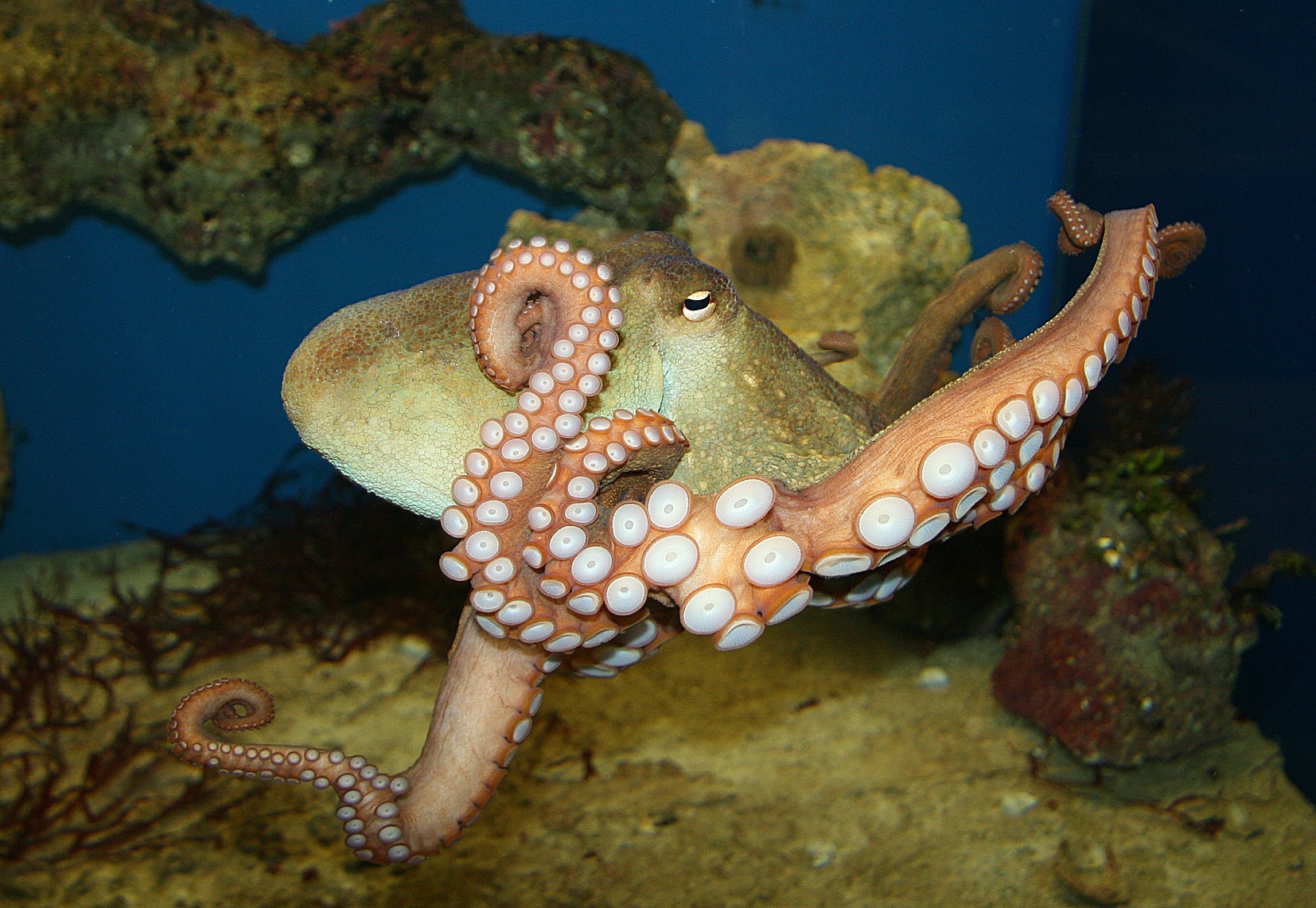
This commercial Octopus Fishery achieved Marine Stewardship Council certification in 2019 and is continuing to show a dedicated approach to sustainability.
Additional gear modification requirements will apply from 1 April 2024 to reduce the risk of whale entanglements during the whale migration months along WA’s coastline.
These new measures reduce the amount of rope in the water and include limitations on the number of floats used and the amount of surface rope. In addition, the top one third of the trapline must be held vertically in the water column to reduce the risk of whale entanglements.
During the whale migration months there’s also a required minimum of 20 traps or cradles on longlines that applies across all three zones in the fishery and that’s intended to limit the number of vertical lines in the water. Vessel masters must report any lost or irretrievable traps.
A baited trap research trial has also identified that organic bait is much more effective than artificial bait and significantly improves catchability, so it has now been formally permitted for use in active traps within the OIMF Management Plan. More information on these changes is available online.
Last year, a formal proposal was accepted for the Noongar word “djinda” to identify WA’s unique octopus’ species and the scientific community embraced Octopus djinda.
The OIMF’s value is **$8.3 million based on the latest Gross Value of Production (GVP) for the fishery, supported by a fishing fleet of 24 vessels and processing facilities in suburban Perth and at Geraldton. As well as Australian domestic sales, local companies that fish and process octopus also export it as a premium seafood to markets in Asia, the United States, Dubai, and Europe.
Principal Fisheries Management Officer for the Department of Primary Industries and Regional Development (DPIRD) Rebecca Blakey said the new management measures confirmed WA’s Octopus fishery’s commitment to sustainability.
“Our fishery is one of only two octopus fisheries in the world to achieve MSC’s gold standard sustainability certification,” Mrs Blakey said. “And these new management changes lift the bar further.”
“The improved whale mitigation measures will assist to reduce the fishery’s potential interactions with whales during the key migration period and demonstrate the stewardship of the operators in the OIMF to achieve best practice.”
** When this media statement was first published on 27 October the value was “estimated at around $6 million annually” which was based on an earlier GVP.
 Print this page
