


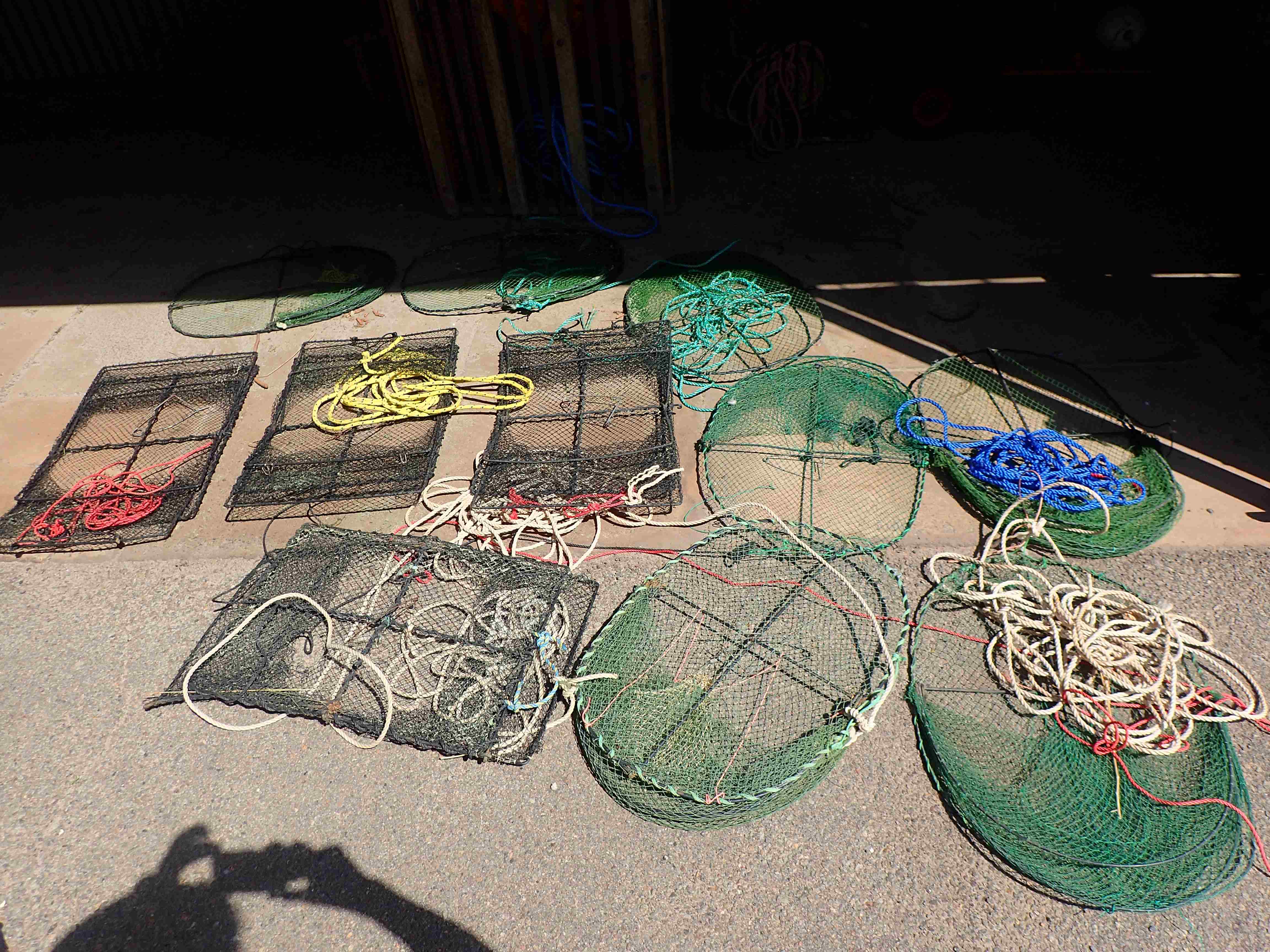
The marron and 11 fish traps were uncovered when the man’s vehicle was inspected by WA Police north-east of Geraldton at Narra Tarra in August last year.
The matter was investigated by Fisheries Officers from the Department of Primary Industries and Regional Development.
Recreational marron fishing in Western Australia is only allowed during a designated four-week period in January to February each year.
Possession of marron in a non-possession period is an offence under WA’s fishing laws.
The use of fish traps and taking fish by means of a trap in all waters of any estuary, inlet, river, brook, or stream in the State is also prohibited.
Illegal recreational fish traps can be indiscriminate and also pose an ongoing threat to our native wildlife if lost or abandoned, as they will continue to trap animals that have no chance of escape. Animals particularly at risk are mammals, reptiles, and birds, as they are unable to escape the traps and quickly drown.
For the use of fish traps, the magistrate issued penalties of $950, and a further $950 for offences related to the marron. Court costs were $272.70.
DPIRD Regional Compliance Director for the Midwest Mick Kelly said the overall financial penalty of $2,172.70 imposed on Thursday (16 May) was a reminder to the community that the protection of WA fisheries was a priority.
“WA’s wild marron fishery needs to be tightly managed to ensure the long-term survival of this endemic species,” Mr Kelly said.
“Marron habitat is under environmental threat and any illegal out-of-season fishing also puts the species survival at risk.
“It’s one of the most tightly managed recreational fisheries in the world, due to the impacts of reduced rainfall and run-off into rivers and dams and overall changes in the environment.
“If you’re aware of anyone who may be fishing out of season for marron, call FishWatch on 1800 815 507 and pass on what you know to the operator or lodge your report through the online form on Crimestoppers so that Fisheries Officers can investigate.”
“DPIRD conducts year-round fisheries compliance patrols, but we also depend on members of the community who report concerns and the support of WA Police to ensure the marron fishery can be managed in a sustainable way.”
 Print this page
