


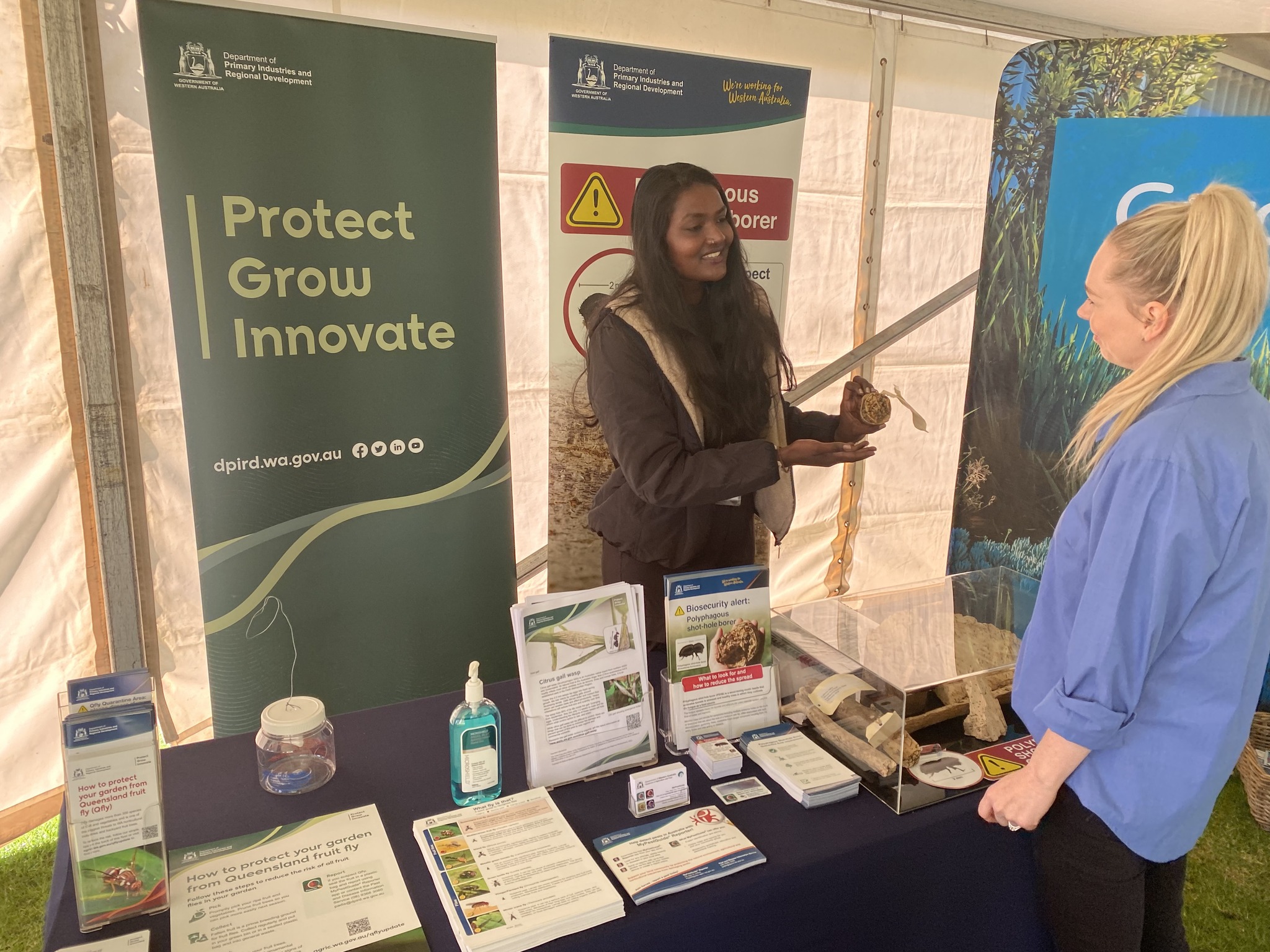
The shared responsibility and efforts to protect plants for food security is being highlighted today on International Day of Plant Health.
The Department of Primary Industries and Regional Development’s (DPIRD’s) endeavours epitomise this year’s theme – ‘plant biosecurity for food security’.
DPIRD’s multi-disciplinary team works alongside government agencies, industry and the community to protect Western Australia’s crops, gardens, parks and forests from rising global pests and disease risks.
The department’s current Queensland fruit fly (Qfly) biosecurity response in Perth’s southern suburbs demonstrates the importance of this collaboration, which has successfully eradicated 10 previous outbreaks since 1989.
Qfly is one of the world’s most damaging fruit pests, which is not established in WA, that infests a wide range of fruits and some fruiting vegetables, such as tomato, chilli and capsicum.
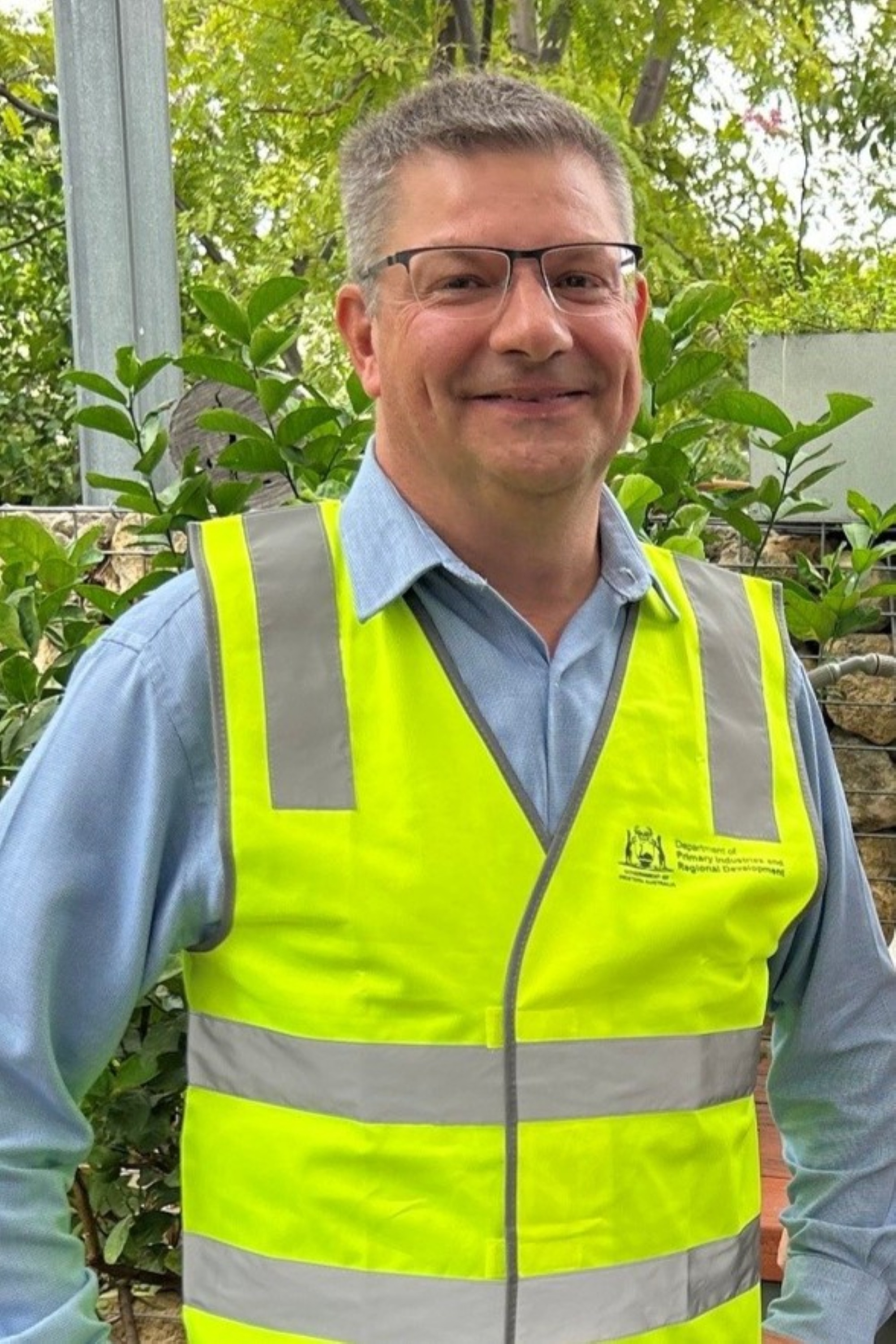
DPIRD Chief Plant Biosecurity Officer Vincent Lanoiselet said working together gave the best chance of a quick and effective response to protect gardens and parks, fresh food production and access to key export markets.
“Community action is essential in the front line of biosecurity defence – from surveillance and reporting to aid early detection, through to reducing risk by following quarantine and movement requirements,” Dr Lanoiselet said.
“The support of residents and businesses in the Qfly Quarantine Area by adhering to movement requirements has been integral to the success of the Qfly biosecurity responses.
“We thank the community for their ongoing commitment and encourage people to remain vigilant and regularly visit our website for information and updates.”
The Qfly threat was detected as part of DPIRD’s surveillance network, which has been monitoring for fruit fly across Perth and the regions for decades.
The DPIRD team has visited more than 4,200 properties, deploying additional traps and 559 lures in trees.
The Qfly campaign is just one of many DPIRD plant biosecurity responses in recent years to support plant health and food security, including brown marmorated stink bug, red imported fire ants, red dwarf honey bee and polyphagous shot-hole borer.
Dr Lanoiselet said while WA was fortunately free of many of the world’s worst pests and diseases, aided by its geographic isolation, it was imperative for the State to remain vigilant.
“International Day of Plant Health is a timely reminder that protecting WA’s biosecurity is a collective effort, involving government and industry initiatives, right through to everyday actions by the community to reinforce our defences,” he said.
“Pressure on plant biosecurity is increasing around the globe, with an escalation in exotic pest, weed and disease detections over the past decade at home and abroad.
“It is important everyone remains alert and takes action to protect our valuable agriculture and food sector, WA’s unique environment, our enviable outdoor lifestyle and even the health and wellbeing of our people.”
Reports of suspected pests and insects, including Qflies, can be made via the MyPestGuide Reporter app or DPIRD’s Pest and Disease Information Service at padis@dpird.wa.gov.au.
For more information on the Qfly biosecurity response, including an interactive map of the quarantine area and movement directions, visit the Queensland fruit fly webpage.
 Print this page
