


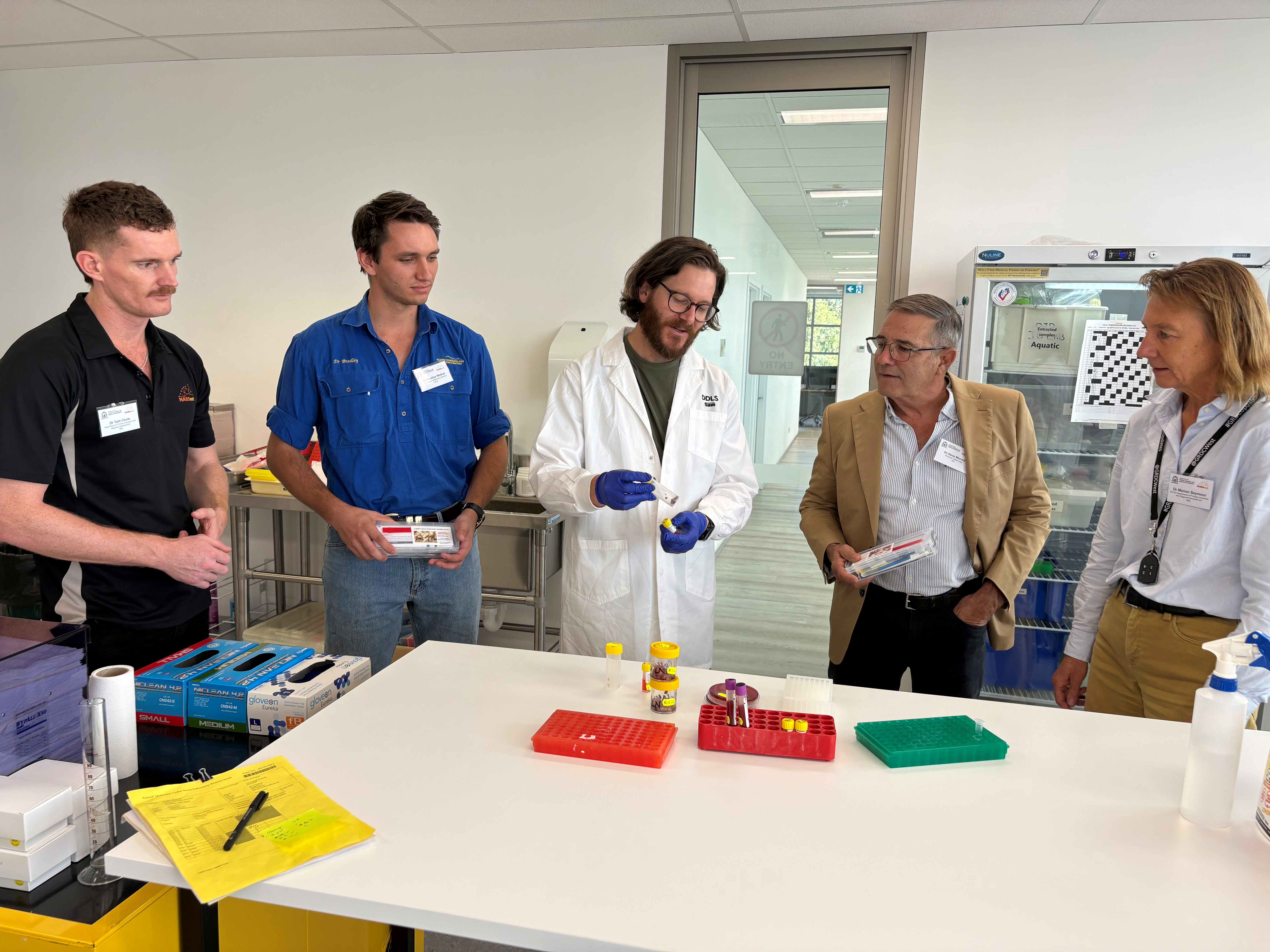
More than 35 veterinarians from remote regions of northern Australia gathered in Perth on 6-7 March to strengthen their emergency animal disease and surveillance skills.
The masterclass was coordinated by the Department of Primary Industries and Regional Development (DPIRD), as part of our participation in the Northern Australian Biosecurity Strategy (NABSnet).
DPIRD field veterinary officer and masterclass coordinator Tom Clune said NABSnet aimed to provide resources, training and connections to support veterinarians in northern Western Australia, the Northern Territory and northern Queensland to provide effective animal health surveillance.
“With lumpy skin disease and foot-and-mouth disease in Indonesia and the global spread of the high pathogenic H5 avian influenza (H5 bird flu), strengthening our emergency animal disease surveillance network has never been more important,” Dr Clune said.
“The masterclass brought together northern Australian large animal and mixed practice veterinarians on the frontline for early detection of emergency animal diseases to enhance skills in disease investigation, share updates on surveillance programs and strengthen professional networks.
“The gathering also ensured veterinarians were aware of their responsibilities when an emergency animal disease is suspected.”
Dr Clune said lumpy skin disease surveillance was a feature of the masterclass.
“Lumpy skin disease topics covered included DPIRD’s development of an effective lumpy skin disease surveillance plan, lesion identification and best-practice sampling techniques to ensure an accurate diagnosis in the laboratory,” he said.
“The briefing also involved viewing how samples were tested in the molecular laboratory, trade implications and the work being done federally with lumpy skin disease-affected neighbours.
“Case studies on ill-thrift also alerted veterinarians to the potential for the cause being a notifiable animal disease.
“The masterclass highlighted the importance of providing an outcome to the client to encourage them to continue to work closely with their veterinarian and to report suspicious disease signs in future.”
Attendees also learned more about likely plant toxicities in northern regions.
“The masterclass also provides important networking opportunities, bringing together vets from across northern Australia, to learn from each others’ experiences, and have a network to call on when they have an unusual disease presentation,” Dr Clune said.
The NABSnet workshop was funded by the Department of Agriculture, Fisheries and Forestry.
For more information about NABSnet, visit the NABSnet webpage.
 Print this page
