


The Department of Primary Industries and Regional Development (DPIRD) is conducting vital surveillance for aquatic pests at WA ports on the back of high vessel movements into Western Australia.
The Aquatic Pest Biosecurity team is on the front line helping to protect WA’s marine ecosystems and biodiversity.
DPIRD Biosecurity Technical Area Manager Justin McDonald said the surveillance effort focussed on protecting aquaculture, ports and the environment from invasive marine organisms which could impact economic, environmental, social and cultural values.
Dr McDonald said more than 10,000 marine vessels visited WA ports last year - the greatest number of any other Australian state or territory.
“With each visit, there could be a potential risk of introducing an aquatic pest into WA waters,” he said.
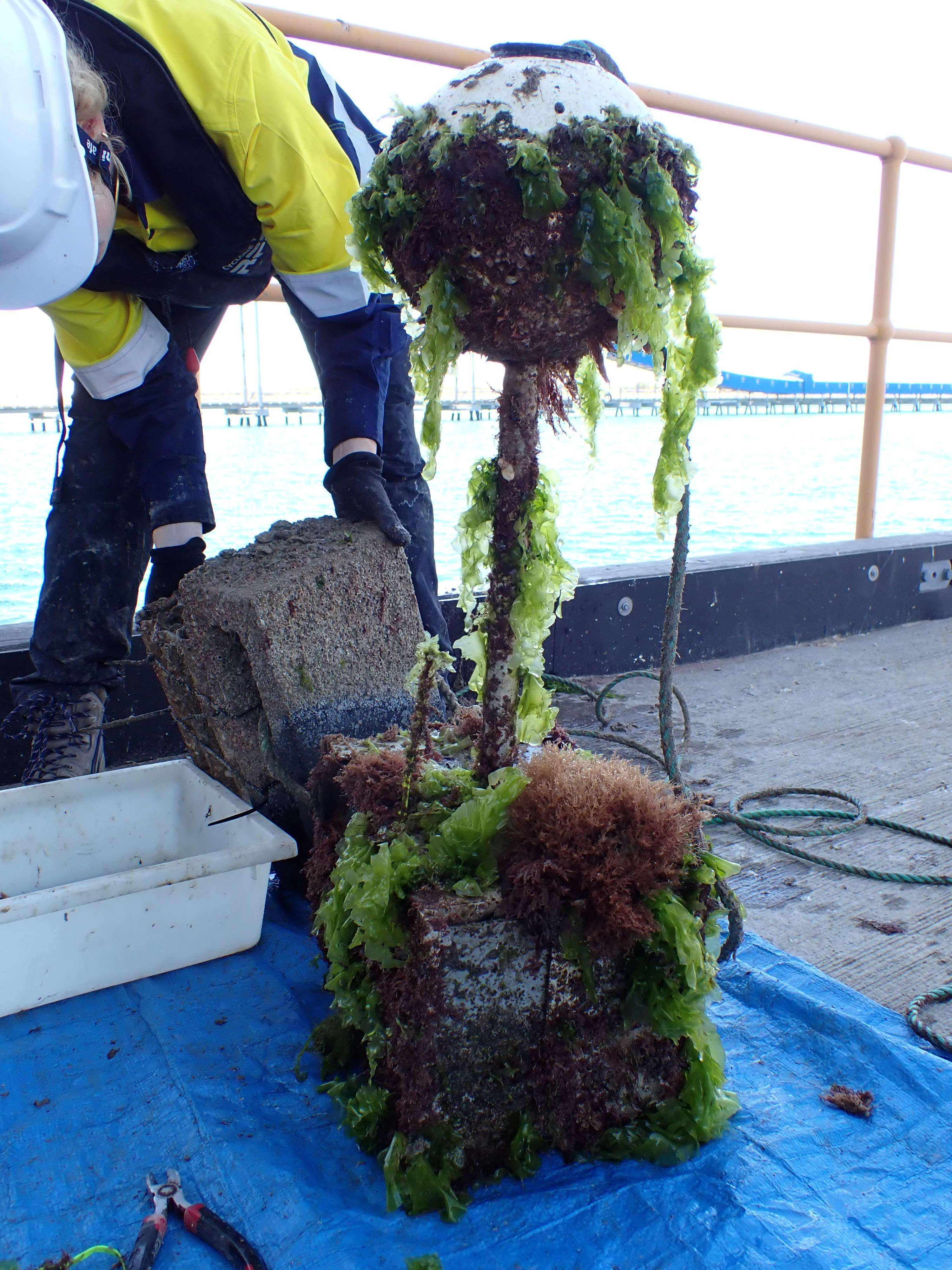
“We use the port locations as nodes to conduct passive and targeted surveillance. This includes processing more than 600 distinct port fouling samples, equating to thousands of marine species identifications per annum.”
DPIRD works with the Commonwealth to manage vessel risk ensuring they align with the International Maritime Organisation (IMO) Ballast Water Convention and guidelines on hull fouling.
Dr McDonald said there was a clear environmental benefit from active monitoring, but the most effective form of management was prevention.
“The team uses diverse types of traps and nets, as well as visual surveys and water and plankton collection for eDNA analysis to determine if an aquatic pest is present,” he said.
“With early detection, the department can work on containment and localised eradication where necessary.”
The WA community is urged to report anything that looks unusual or out of place in lakes, rivers, waterways or the marine environment to the 24-hour FISHWATCH hotline on 1800 815 507.
“Aquatic biosecurity has a role for everyone to help keep marine and freshwater pests out of WA’s inland waterways and ocean environments.”
 Print this page
