


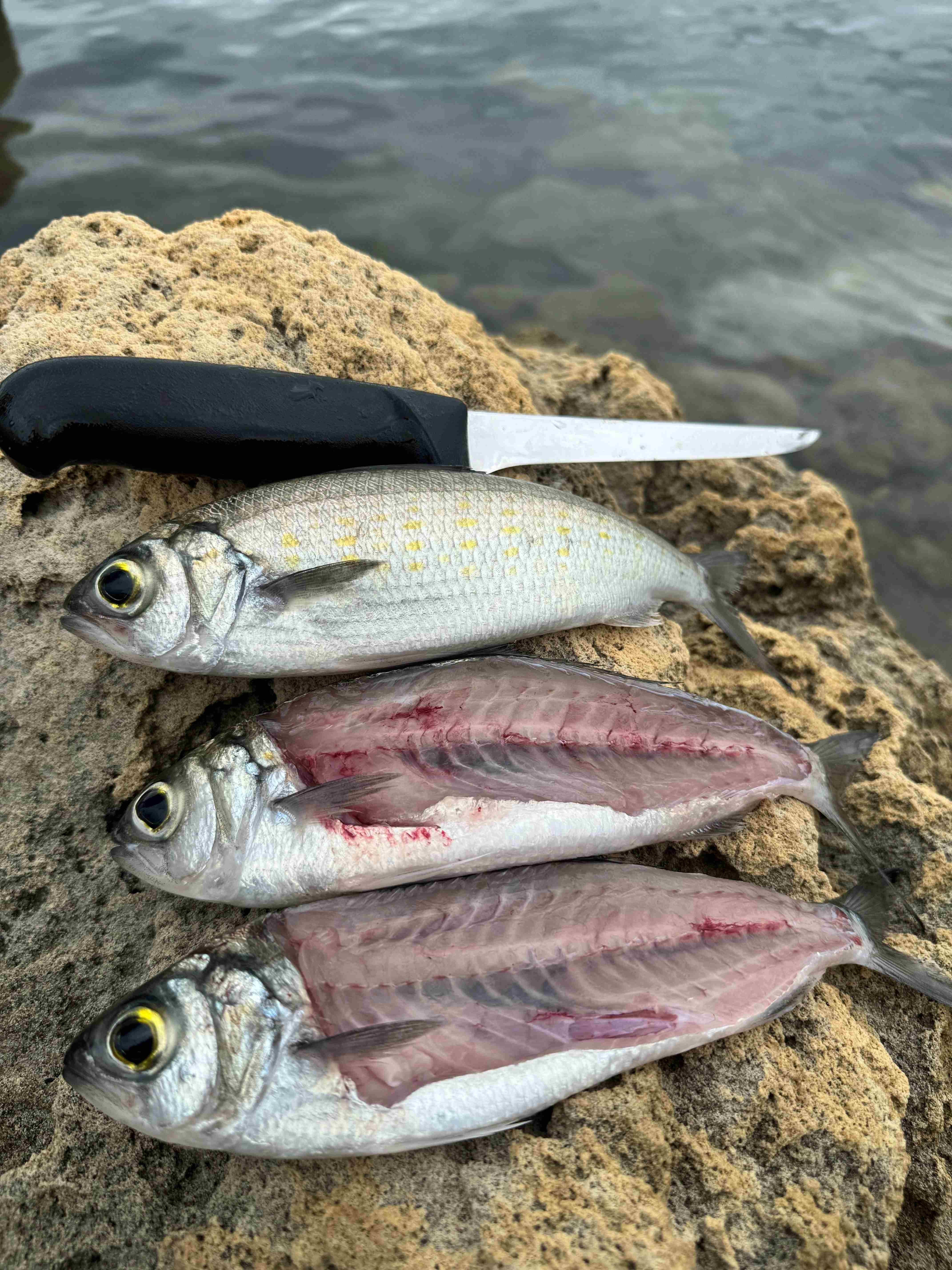
In particular, Department of Primary Industries and Regional Development (DPIRD) researchers are looking for fish frames or fish heads from these popular species caught in waters off the West and South coasts.
DPIRD’s Send Us Your Skeletons Program is a way for researchers to collect vital information, like fish ages, growth rates and size at maturity, from a broad range of locations across the State.
When donating filleted frames, recfishers are asked to keep the head, guts and gonads of the fish intact, this can provide valuable information on peak spawning times.
Sample bags and labels can be collected from DPIRD offices or participating tackle stores, and donations can be provided either fresh or frozen.
DPIRD Senior Research Scientist Daniel Yeoh said the Send Us Your Skeletons program had been a long-standing research tool to monitor various WA fish species.
“We are now collecting samples of important nearshore finfish species to gather biological information that will give us a better understanding of these fish populations and how they are changing over time,” Dr Yeoh said.
“For these assessments we collect data from commercial and recreational fishers, as well as conduct our own research sampling programs.
“Recreational fishers have long been supporting this program, and we’re keen to continue this relationship to maintain sustainable fisheries.
“To provide us with as much information as possible when donating fish frames, fishers are asked to include the location where the fish was caught, and if they were fishing from shore or a boat at the time.
“Science-based decision making requires good quality data, and the more recreational fishers can help us by donating frames, the better we can ensure there’s fish for the future.”
For more details on the research and where you can drop-off your skeletons or heads go to: Send us your fish skeletons | DPIRD
 Print this page
