


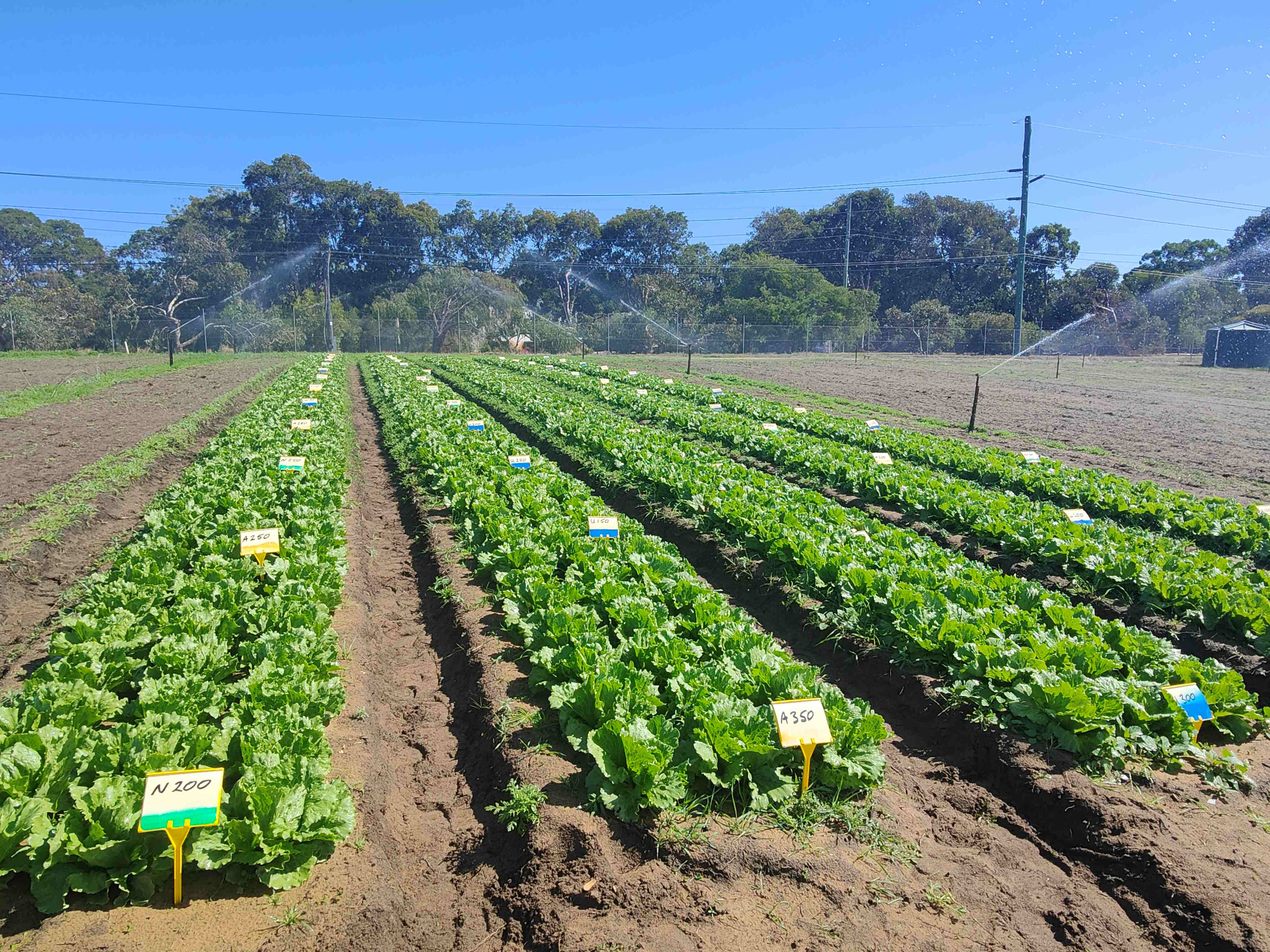
The five year ‘Evaluating on-farm water and nutrient recapture in WA production systems’ project is led by the Department of Primary Industries and Regional Development (DPIRD), with co-funding from Hort Innovation Frontiers.
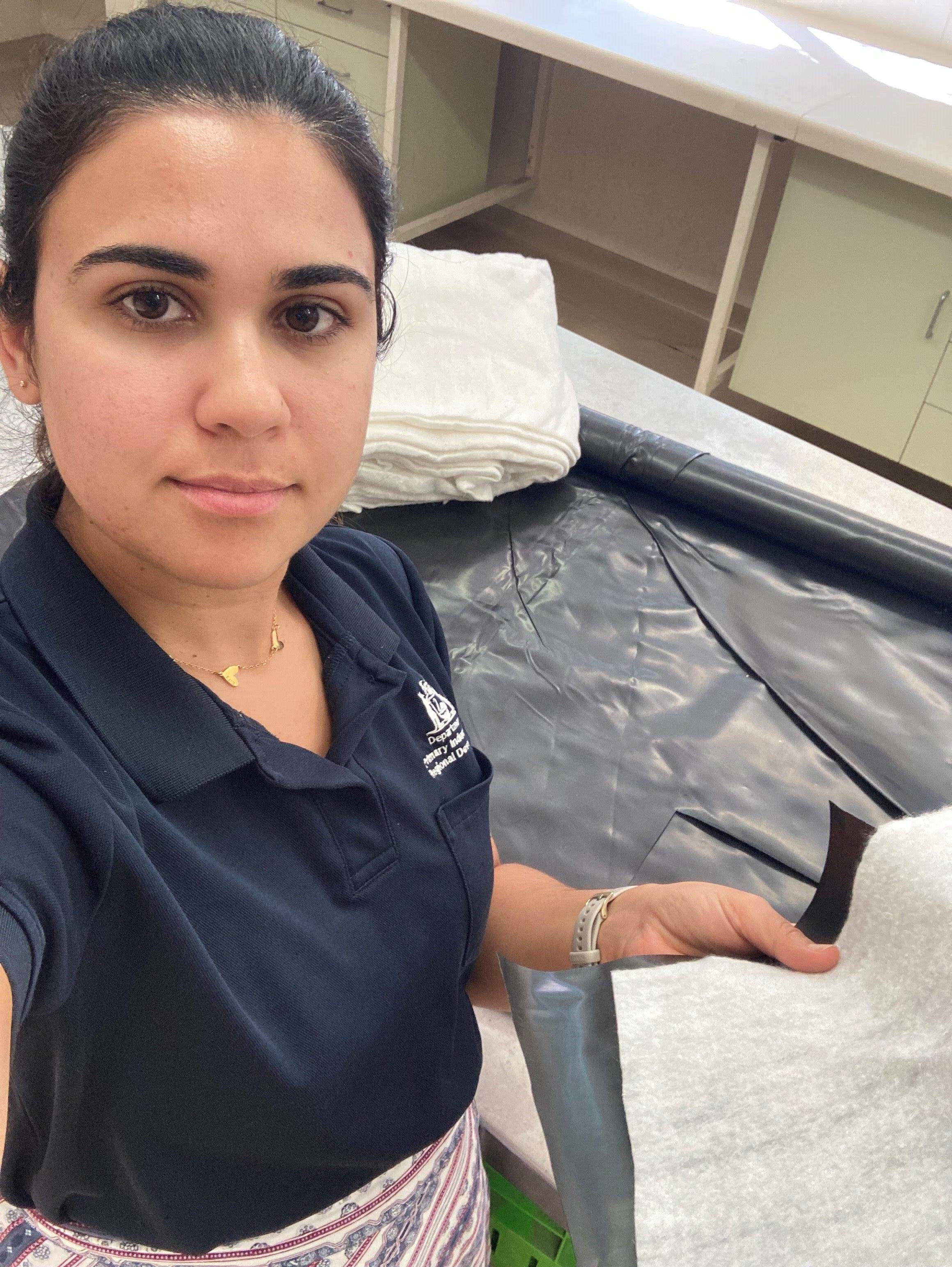
The proof of concept research will investigate the use of geomembranes, such as plastic sheeting, laid below the root zone, and incorporating a water drainage system to capture leached water and nutrients.
This water will then be diverted to a dam to be recycled for irrigation use.
Previous research shows that when Swan Coastal Plain production systems are poorly managed, more than 60 per cent of irrigation water and nitrogen fertiliser applied to vegetable crops leaches past the rootzone.
Project lead, DPIRD research scientist Valeria Almeida Lima said the new research project aimed to help growers adopt more efficient, sustainable and profitable farming systems.
“If proven successful, the project will result in considerable savings in water and fertiliser use, increasing growers’ margins,” Dr Almeida Lima said.
“The proposed system could also prevent nutrients from entering waterways in environmentally sensitive areas.”
The first year of the trials will focus on the design and engineering components of the system with the aid of computer modelling to determine the design requirements for the drainage system.
A small pilot scale vegetable trial will be established in the second year of the project at DPIRD’s Shenton Park research station to investigate the system’s management challenges, such as water quality, soil health and plant growth response.
A demonstration site is planned for the Peel Harvey catchment after year three to test the feasibility of the system and extend the findings to the broader industry in the final two years.
A cost-benefit analysis will also be produced, along with a manual to help growers adopt the technology and secure a return on investment.
Dr Almeida Lima said the project would produce wide ranging benefits that support business resilience, industry growth and long term food security.
“It will also build business resilience in a drying climate, while supporting industry social licence – validating horticulture production as a clean, non-polluting farming system,” she said.
Hort Innovation Chief Executive Officer Brett Field said the project had the potential to generate far reaching benefits for industry.
“We know that growers are facing historic highs when it comes to input costs, such as fertilisers, so a project like this that aims to help growers save will have a positive impact for the whole horticulture sector,” he said.
For more information about the Evaluating on-farm water and nutrient recapture in WA production systems project visit horticulture.com.au.
This project is funded through Hort Innovation Frontiers with co-investment from DPIRD and contributions from the Australian Government. Frontiers drives bold innovation, tackling horticulture’s biggest challenges and unlocking its greatest opportunities. With more than $500 million to be invested over the next decade, Frontiers is set to drive long-term transformation in Australian horticulture.
 Print this page
