


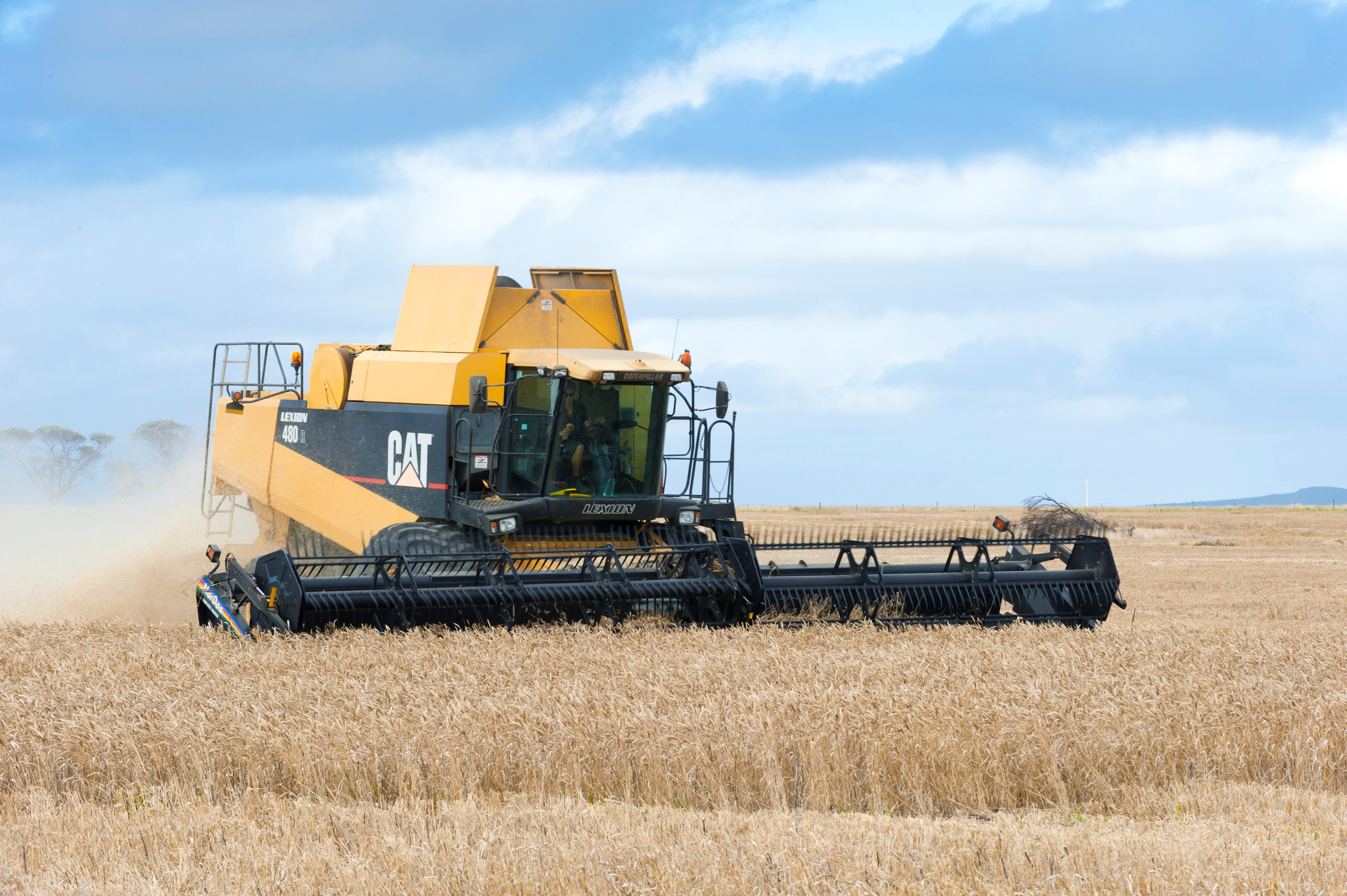
As the grains harvest gets underway in the Mid West, the Department of Primary Industries and Regional Development’s (DPIRD) Season 2026 webpage has been updated to help growers optimise crop potential.
Crop performance has varied across the Wheatbelt with rainfall timing producing positive yields for many areas, while some have recorded below average results.
The webpage harnesses the latest information and advice to assist growers harvesting low crops, managing the risk of soil erosion and mitigating the risk of future mice infestations.
The online resource also links to DPIRD’s Grains Convo podcast ‘Weathering the finish’, which discusses the season outlook and tools to help navigate the months ahead.
Esperance regional intelligence manager Brendan Nicholas said the Season 2026 webpage had practical solutions to help manage harvest programs for this season and the next, such as advice on harvesting low crops.
“The ‘Harvesting short, patchy crops’ article has a wealth of information to help reduce harvest losses, which results in profit losses and an increased risk of weeds next season,” he said.
“Several machinery modifications and alternative options are available to help growers get a quick, clean cut to pick up and clear low cut material.
“Many growers have found attaching rigid, black High Density Polyethylene plastic to the finger tine reel to help feed cut material into the front of the header useful, as well as installing an air reel to blow short material clear of the knife, back into the table auger or belt.”
Cropped paddocks and pastures that received poor or delayed rainfall will be at risk of soil erosion, requiring careful harvesting and management over summer.
DPIRD recommends at least 50 per cent ground cover to prevent erosion and protect soil through to the start of the next season.
“The ‘Managing stubble for wind erosion control’ article includes advice and groundcover targets to prevent erosion,” Mr Nicholas said.
“The article details dry matter targets for grazed and ungrazed stubble to help reduce the erosion risk.”
Advice to help landholders reduce future mouse populations is also available on the Season 2026 site, with links to control resources, publications and MouseAlert to report observations.
“Good on-farm hygiene is imperative to reduce the ongoing risk of mouse damage,” Mr Nicholas said. “This includes cleaning up spilt grain around sheds and silos, mouse proofing grain storage and stock feed areas.”
A range of weather resources and climate forecasts can be found on the portal, including DPIRD’s Statewide real time weather station network.
The webpage also contains a range of information for livestock producers, such as the importance of feed and water budgeting going into summer, pasture management and animal welfare advice.
The Season 2026 webpage can be found via the DPIRD homepage.
 Print this page
