New soil re-engineering research to improve understanding of the effectiveness of lime incorporated to depth to reduce deep subsoil acidity and boost yields was discussed at the 2026 Soil Science Australia National Conference in Perth today.
The new soil re-engineering research to fix soil acidity and compaction to a depth of 120 centimetres is part of the five-year Soil Water and Nutrition (SWAN) strategic collaboration between the Department of Primary Industries and Regional Development (DPIRD) and Grains Research and Development Corporation (GRDC).
In acid soil, the aluminium concentration is usually elevated and mostly above the toxic concentration of five parts per million (ppm) for most crops, which restricts root exploration – limiting crop productivity and yield.
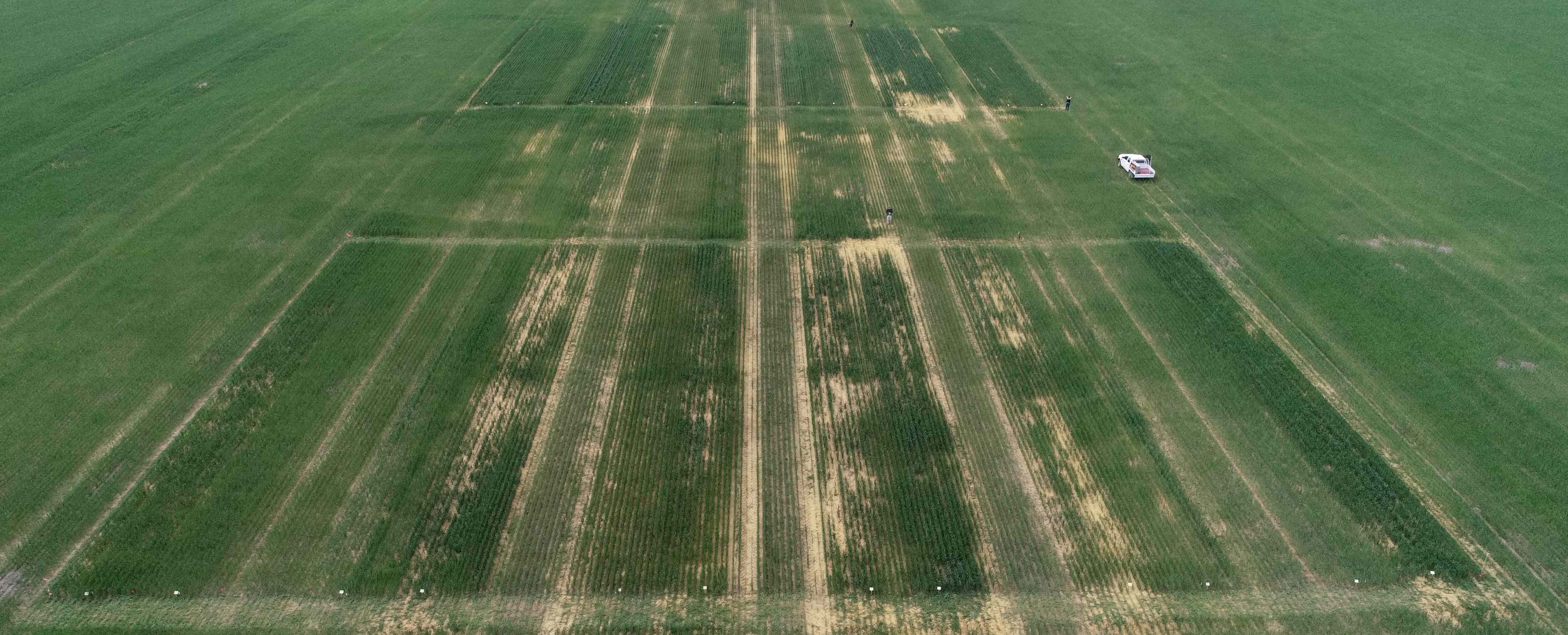
A paddock scale soil re-engineering trial at Hines Hill, 20 kilometres west of Merredin, was established in 2025, mixing of four, eight and 12 tonnes of lime per hectare (t/ha) to a depth of 40, 80 and 120cm, with an addition of 2t/ha to the surface.
Initial laboratory trials validated the importance of soil moisture to liming effectiveness, soil aluminium concentrations and crop root growth on inherently acidic deep loamy sands.
DPIRD research scientist Shahin Rahman said the results would help growers to include growing season rainfall forecasts when considering investments in lime incorporation to depth.
“Initial laboratory research found a subsoil moisture content of more than five per cent was required for lime to react with the acid soil and increase pH, allowing aluminium concentrations to fall below the toxicity level of 5ppm,” Dr Rahman said.
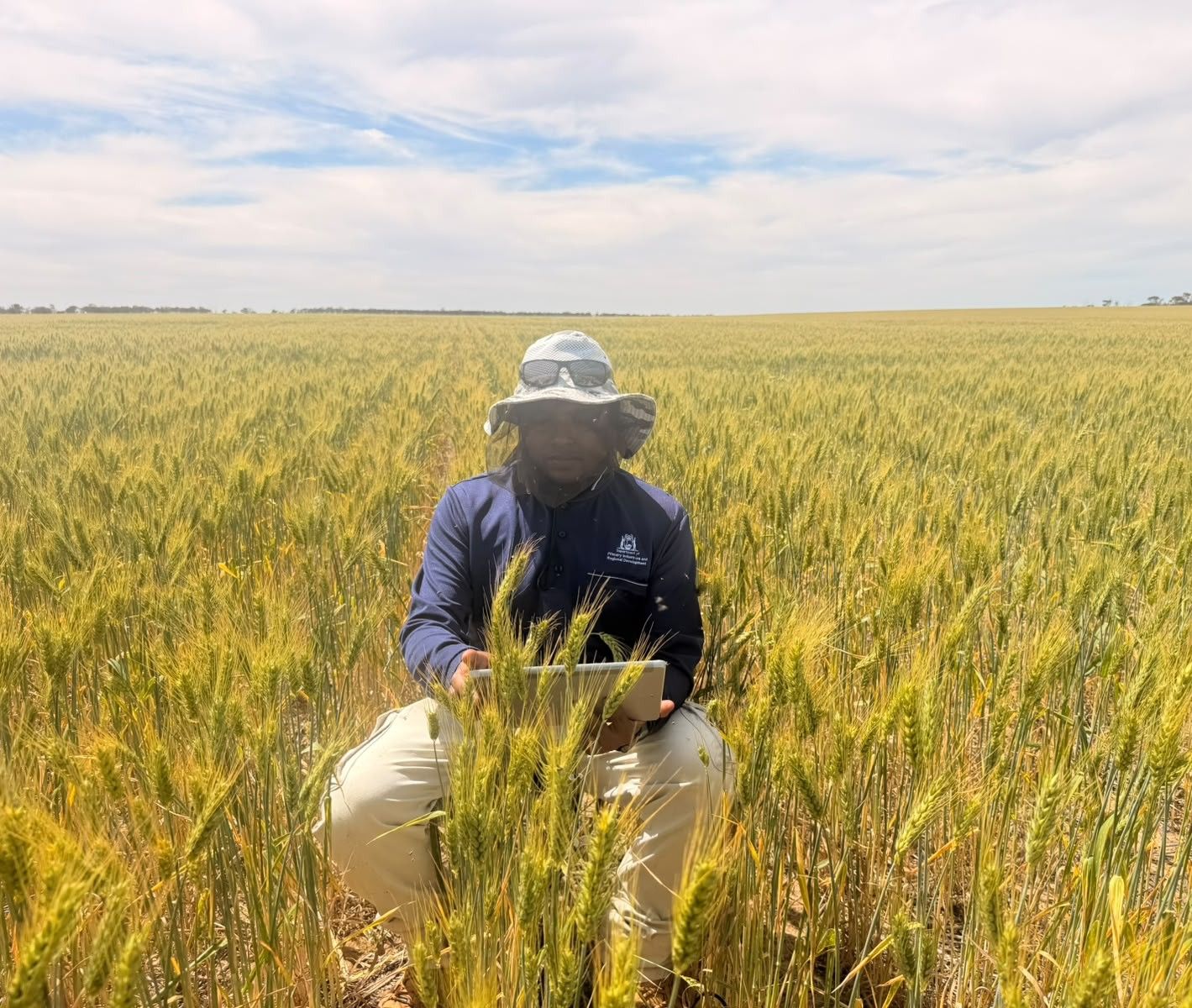
“The first year of field trials in 2025, with Scepter wheat growing on deep acidic sands, was a particularly dry year, where subsoil moisture was below 4pc.
“The lack of moisture resulted in little pH change, remaining below the pH target of 4.8 in response to the soil reengineering treatment in which 14 t/ha of lime WAS incorporated through 120 cm of soil, while aluminium concentrations were above 5ppm.
“However, during the 2026 season, 210 millimetres of growing season rainfall and around 140 millimetres of summer rainfall resulted in 7pc moisture at depth in the profile, allowing incorporated lime to increase the pH to close to the target of 4.8 and reducing soil aluminium concentrations below 5ppm.”
“The research team is now looking forward to the harvest results to learn how these responses translate to crop yield.”
The trial initiative builds on pioneering DPIRD research that shows periodically loosening the soil and mixing in lime into soils with subsoil acidity improves crop water use efficiency, resulting in up to a four-fold increase in grain yields.
The liming to depth field trial will continue for another two seasons to provide insights and agronomic recommendations to growers to help boost crop productivity in semi-arid regions of WA.
“From these experiments we can conclude lime requires sufficient water to dissolve, react and neutralise acidic ions and dry seasons may delay the impact of lime,” Dr Rahman said.
“Armed with this information, growers will be able to make more informed decisions when planning soil re-engineering and deep liming strategies so they get the best return on investment and yield responses.”
For more information on the department’s soils research visit the managing soils webpage.