


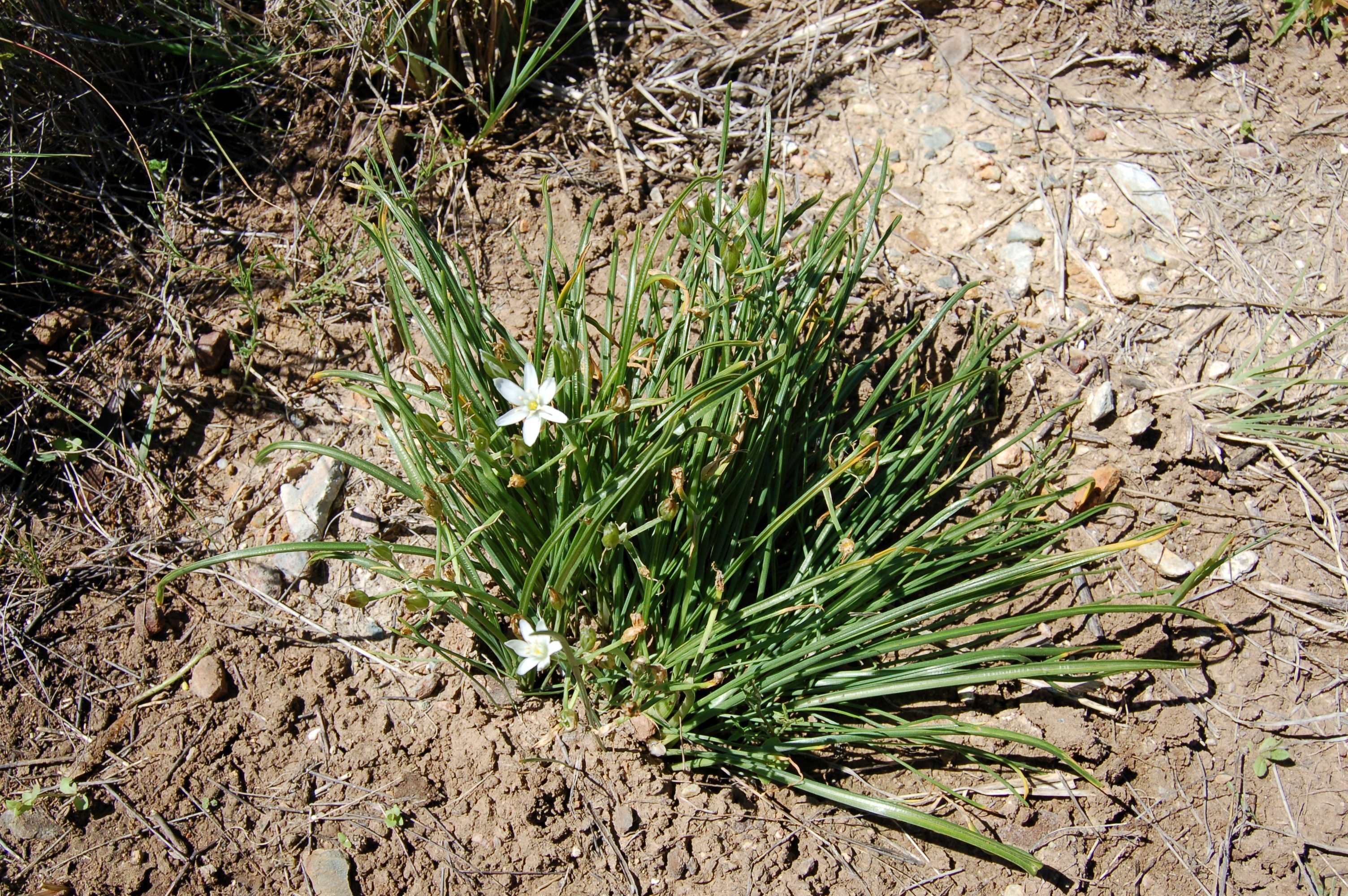
The invasive weed Star of Bethlehem has been eradicated from Western Australia, protecting the State’s grains and livestock industries – particularly barley production.
The Department of Primary Industries and Regional Development (DPIRD) worked for 13 years to eradicate Star of Bethlehem (Ornithogalum umbellatum), which was contained to a four hectare area near Ravensthorpe.
The weed is toxic to livestock and an alternate host for barley leaf rust fungus, which can cause significant crop losses.
Eradication is estimated to save growers more than $50 per hectare from lost crop yields and fungicide treatment costs for potential new rust strains.
DPIRD principal research scientist John Moore said the department worked closely with Main Roads to remove the weed from both paddocks and adjacent roadside verges.
“On the broadacre area, eradication was achieved by applying a paraquat/diquat mix plus sulphonyl urea and imidazolinone herbicides over six years to ensure any dormant bulbs or seeds were depleted,” he said.
“Innovative use of microwaves was also employed to control underground bulbs in a single year on a small area with a heavy infestation.
“This was very effective when high doses of microwave energy were applied and useful for select areas where herbicides were not able to be used.
“It has been six years since the last plant was seen in the area and three years after the last controls were applied, which means any dormant seeds or bulbs would have died by now.
“As a result of the eradication success, barley varieties resistant to current rust strains will remain resistant for much longer periods in WA, compared with the eastern states where Star of Bethlehem causes regular epidemics.”
Star of Bethlehem – distinguished by its star-shaped white flower with six petals – has been prohibited entry into WA since 1998, due to its biosecurity risk.
“The weed is the only plant species in WA that could host the sexual form of barley leaf rust,” Mr Moore said.
“If it were to become established, Star of Bethlehem would be the most likely source of new strains of rust that can decimate the barley industry.”
The weed was reported by a Main Roads botanist who was conducting a plant survey in the area in 2013, highlighting the importance of awareness and early detection of weeds to aid eradication.
“This achievement is a great example of the importance of reporting suspect weeds, pests and diseases and how we can all play a role in protecting WA from biosecurity risks,” Mr Moore said.
Sightings of unusual weeds can be reported via the MyPestGuide Reporter app or to DPIRD’s Pest and Disease Information Service via padis@dpird.wa.gov.au or call (08) 9368 3080.
 Print this page
