


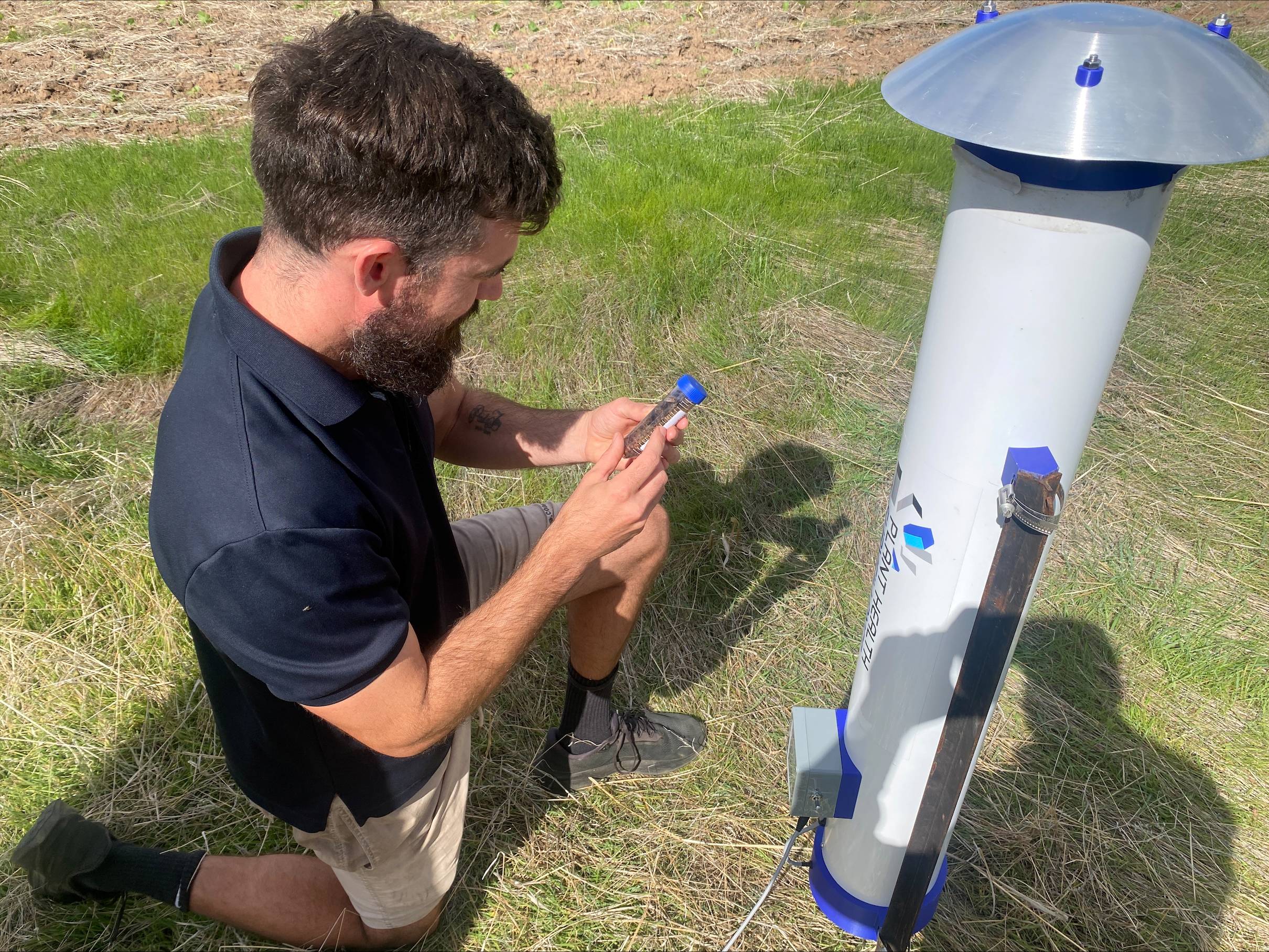
Canola growers have been urged to monitor crops for signs of the significant disease pathogen turnip yellows virus (TuYV) and its vector, green peach aphid, and take early action to protect crops.
With forecasts for warmer growing season temperatures and recent rainfall, conditions are suitable for green peach aphid, which spreads TuYV, formerly known as beet western yellows virus.
Monitoring is required for all canola crops – even those sown with seed that has undergone neonicotinoid seed treatment, as recent research shows it no longer provides adequate protection from green peach aphid and subsequent TuYV.
TuYV is one of the most damaging and insidious threats to canola crops, which cannot be cured once plants are infected, often causing losses of 10 to 20 per cent, sometimes without obvious symptoms, and up to 50pc in severe cases.
The Department of Primary Industries and Regional Development (DPIRD) has contributed to a new ‘Manage Turnip Yellows Virus in Canola’ Grains Research and Development (GRDC) Fact Sheet with information to help optimise crop potential.
DPIRD senior research scientist Ben Congdon said TuYV infections could be highly variable and difficult to distinguish from nutrient deficiencies and environmental stresses.
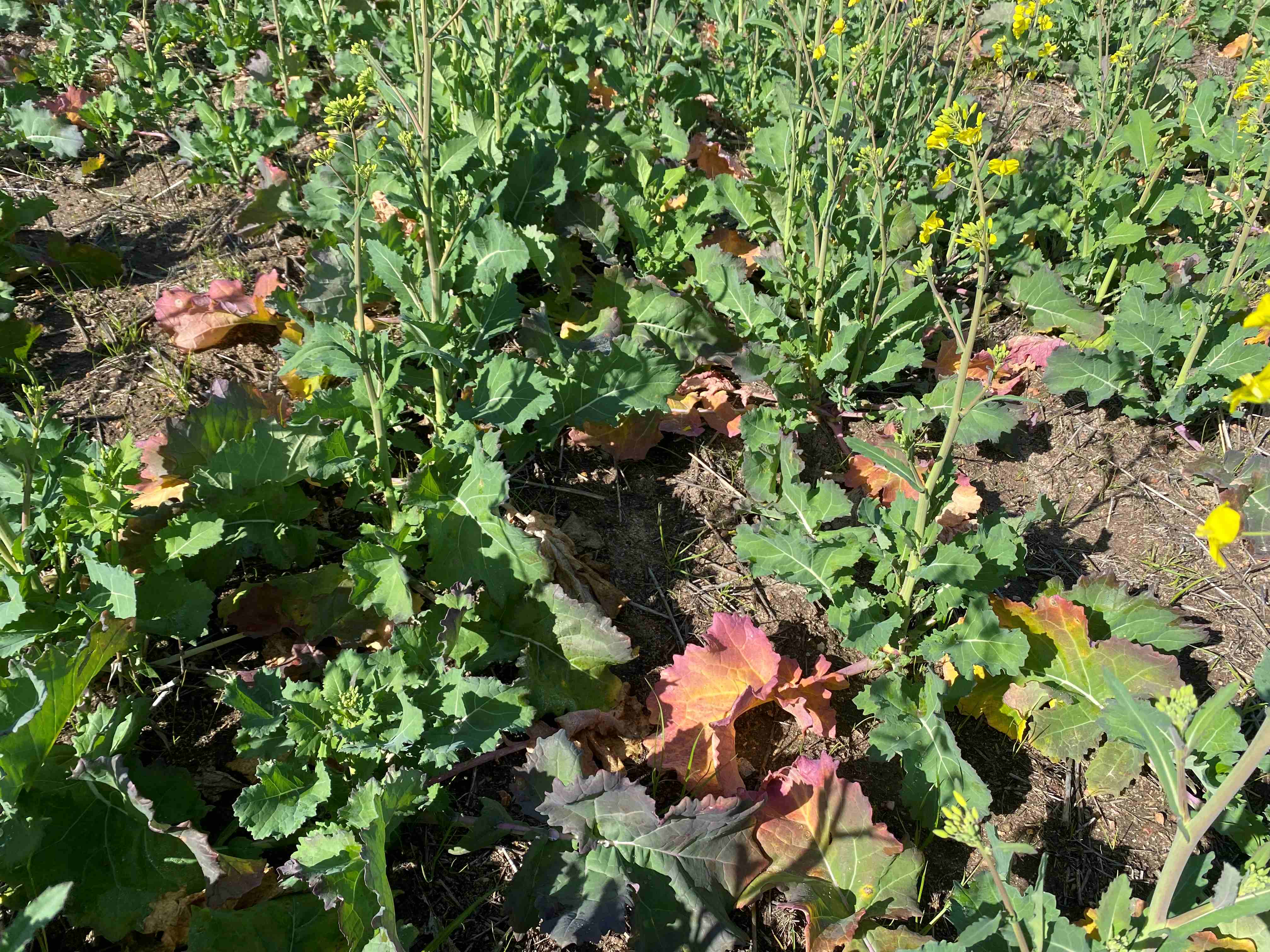
“Foliar symptoms include leaf purpling or reddening, beginning at the leaf margins of lower leaves, which may progress to the whole plant but often can be mild or completely absent,” Dr Congdon said.
“Furthermore, symptoms can appear weeks or even months after virus transmission, meaning symptoms should not be used to inform spray management decisions so aphid monitoring and virus testing is recommended.”
Removing broadleaf weeds and volunteers growing near canola paddocks can be useful to reduce the magnitude and proximity of green peach aphids and the virus reservoir.
Foliar insecticides are the only option to target green peach aphid infestations and control TuYV once the crop has been sown, which are most effective during the early stages of GPA infestation and crop development.
Dr Congdon said TuYV caused the greatest damage when plants were infected during early development, from emergence to the seven leaf stage.
“The greater the percentage of the crop infected and the earlier the spread occurs, the greater the potential yield losses,” he said.
“The canola variety, virus strain and the presence of other stresses will also influence the degree of yield impact from this virus.
“The Fact Sheet has a comprehensive table on how to monitor for green peach aphids and guidelines on targeted insecticide applications.”
Dr Congdon recommended foliar insecticides only be applied in a targeted manner, following careful crop monitoring.
“It is really important to note that pre-emptive spraying is unlikely to provide good control, while spraying once green peach aphid and TuYV are widespread will provide absolutely no benefit, as plants can’t be cured once infected,” he said.
“TuYV is a growing problem across Australia, especially since neonicotinoid-based seed treatments have failed to adequately control green peach aphid.
“It is important for growers to be vigilant and carefully consider management strategies to control this significant disease.”
DPIRD monitoring in the Geraldton, Northam, Albany and Esperance areas will provide insights on TuYV risk as the season unfolds.
Growers and advisers are encouraged to share paddock intelligence via DPIRD’s PestFacts WA Service, developed with GRDC investment, and to report green peach aphid observations using the app to help update the map and newsletter.
For more information consult the ‘Manage Turnip Yellows Virus in Canola’ Fact Sheet and the Green Peach Aphid – Best management Practice Guide on the GRDC website.
The Fact Sheet was developed as part of the five year ‘Effective virus management in grain crops’ project, led by DPIRD with GRDC co-investment.
Work on resistance management in green peach aphid is also being completed through a project led by Cesar Australia.
More information on TuYV and the Pest Facts WA reporter app, newsletter and map can be found on the DPIRD website.
 Print this page
