


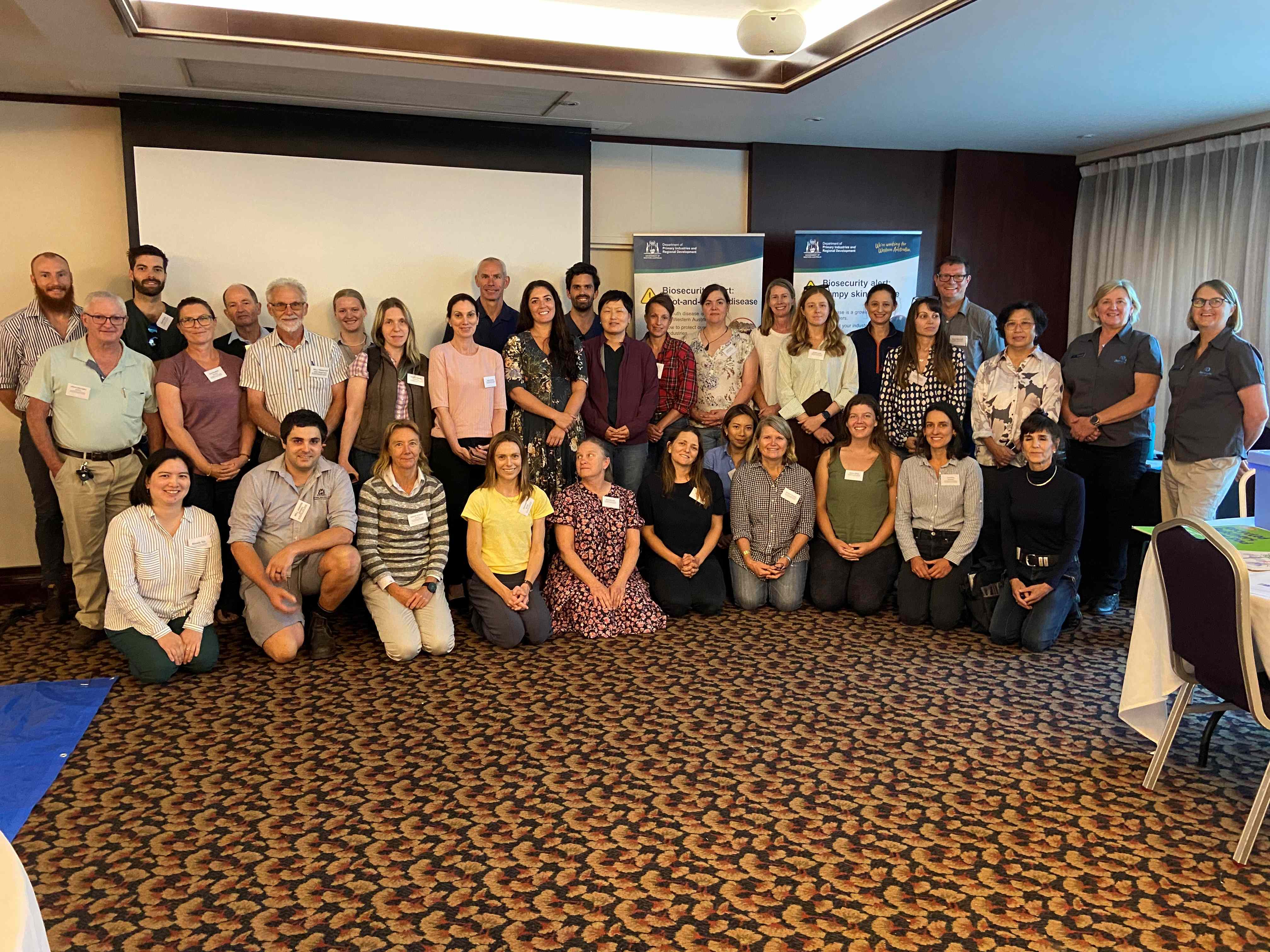
An additional 43 Western Australia veterinarians are ready to combat emergency animal diseases, thanks to training delivered through the WA Emergency Animal Disease Veterinary Reserve project.
The two-year project was coordinated by the Department of Primary Industries and Regional Development (DPIRD) and delivered with funding from the State Government, as part of its investment in boosting emergency animal disease preparedness and response capability in WA.
Deputy Chief Veterinary Officer Dr Marion Seymour said preventing, recognising and responding to an emergency animal disease was a shared responsibility and non-government veterinarians had a vital role to play.
“Non-government veterinarians have a wealth of knowledge and experience to contribute in the event of an emergency animal disease outbreak, including practical knowledge of WA’s livestock industries and local conditions, as well as strong relationships with clients,” Dr Seymour said.
“The Reservist training was designed to familiarise veterinarians with the principles and practicalities of how a response would work and included topics such as an overview of biosecurity management in Australia, working in an incident control centre, communicating with property owners, understanding how areas and premises are classified during an emergency, and self-care.
“Course participants received the latest information about recognising and responding to emergency animal diseases, including foot-and-mouth disease and lumpy skin disease, and will continue to receive regular updates from DPIRD on emergency animal disease topics.
“Victorian speakers also provided insights into their first-hand experiences in responding to the 2024 H7 avian influenza outbreak.”
Reservists receive a fee for being part of the year-long course and commit to be available for two years, after completing training, for call-up during an emergency disease outbreak.
WA veterinarians can express interest in future programs by emailing animalbiosecurity@dpird.wa.gov.au
 Print this page
