Published
28 November 2016
Ministers

Australian-first Undiagnosed Diseases Program life-changing for families
Success rate almost triple expectations
Innovative program helps target treatment and care
Commitment to continue spreading the benefits to more children
The success of Western Australia's nation-leading Undiagnosed Diseases Program (UDP) has almost tripled expectations, with all but two of its first seven patients now diagnosed and undergoing targeted therapies.
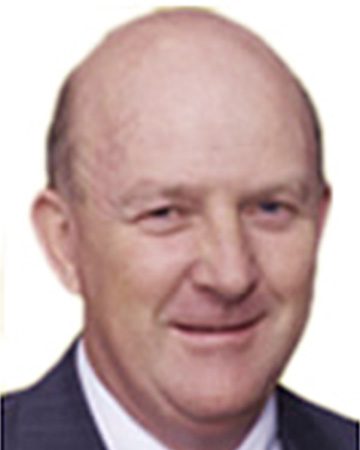
Congratulating the UDP team today, Health Minister John Day said the Department of Health was committed to continuing the Australian-first program, dedicated to spreading the benefits of the diagnosis of rare diseases to as many children as possible.
"The results can be life-changing for children with baffling medical conditions," Mr Day said.
"When we launched this program at the start of the year, we hoped for a 25 per cent success rate.
"To nearly triple that figure is a remarkable achievement that is directly benefiting children and their families."
The Minister paid tribute to the UDP's director Dr Gareth Baynam, a driving force for the program's establishment and who, with colleagues across numerous medical specialties, was working hard to achieve diagnoses for children with complex medical conditions.
"The goodwill this program has generated is enormous," he said.
"Not only are former consultants and specialists coming out of retirement to offer their insights and expertise, many junior doctors are also putting their hands up to be part of the initiative."
The key to WA's Undiagnosed Diseases Program is a month-long intensive review of the patient's case by a team of medical experts from relevant specialties partnered with key diagnostic laboratories.
Participants can spend up to five days at Princess Margaret Hospital's ambulatory day care facility, seeing consultants across multiple specialties and undergoing clinical assessments and investigations.
"They are chosen from patients already well-known to the WA health system, and must be at least six months of age," Mr Day said.
"They have chronic, complex health problems that often affect various body systems and will have had multiple hospital admissions and specialist assessments."
The Minister said a place in the program promised a new beginning for participants and their families, as was the case for its inaugural patient, seven-year-old Lily Fretwell.
"Her placement in the program led to her diagnosis with a rare genetic disease that affects only one person in a million," he said.
"For Lily, the breakthrough has allowed better management of her condition and an end to the relentless rounds of medical appointments, helping give her as regular a childhood as possible."
Mr Day also met 11-year-old Jessica Jackson and her family, who remained hopeful the UDP would lead to her successful diagnosis.
Children from the Pilbara and the South-West, and a pair of siblings are among the program's recently-diagnosed patients.
Fact File
The UDP is modelled on a program that began in the United States of America and is now part of an international network
Where necessary, the UDP can draw on the expertise of a co-ordinated global group of doctors and researchers
Most children diagnosed by the UDP will be found to have unusual genetic conditions known as rare diseases, which affect fewer than one in 2,000 people
Minister's office - 6552 6200