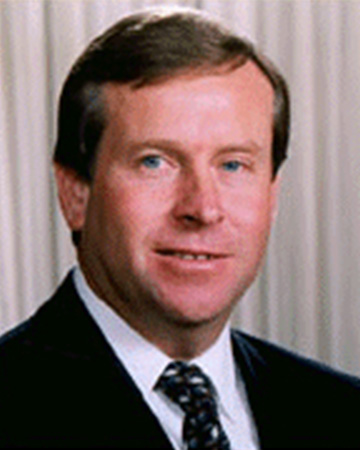
Figures show WA's population is growing and ageing
15/7/97 Western Australia's population is growing, on average we are older and our incomes are getting bigger, according to Australian bureau of Statistics figures released today by Education Minister Colin Barnett.
15/7/97
Western Australia's population is growing, on average we are older and our incomes are getting bigger, according to Australian bureau of Statistics figures released today by Education Minister Colin Barnett.
The first release of Western Australian data collected from last year's national census showed that WA's population had risen 8.8 per cent, or nearly 140,000 people, to more than 1.72 million since the previous census in 1991. In 1991, WA's population was recorded at 1.58 million.
Population growth in Western Australia was the third highest in Australia, behind Queensland and the Northern Territory, and was in keeping with national trends. The census also showed that the State's population was ageing, with a median age of 33 years last year compared with 31 years in 1991 and slightly below the national average of 34.
Mr Barnett said the information included in the census, the fourteenth since 1901 and the last for this century, provided a detailed portrait of communities in Western Australia and around the country.
"Conducting the census was a mammoth task for the Australian Bureau of Statistics involving thousands of people who collected the data and millions who provided it, in every corner of the country," Mr Barnett said.
"More than 98 per cent of households provided the information that now gives us a very accurate snapshot of life in the State and in Australia and shows how we are growing as a nation."
Some of the key findings included in the census were:
· the income of Western Australians is increasing. The median weekly personal income for people aged 15 years and over was $307 in 1996, compared with $265 in 1991;
· the number of people of indigenous origin has grown faster than the overall population, growing 21 per cent between the 1991 and 1996 census;
· as a result, the proportion of indigenous people in WA has increased from 2.6 per cent of WA's population to 2.9 per cent;
· more than two thirds of the people counted in WA were Australian born; and -
· of those born overseas, more than half were from the United Kingdom, Ireland or New Zealand. Other major countries of birth were Italy, Malaysia, India and the Netherlands.
Mr Barnett said that the census statistics would be vital for policy and planning decisions across government and businesses around the country.
"For instance, companies in the past have used the information to select the best site to locate their businesses, while banks have used the data to assist them in making decisions about the location of branches, automatic teller machines and new client networks," he said.
"Within government, the census data provides a vital input to the planning and policy development process, assisting to identify which people need particular services and infrastructure.
"For example, information in the 1991 census on where people lived and worked was used by the Government to develop the metropolitan transport strategy."
Mr Barnett released the first of two Australian Bureau of Statistics census documents - the Selected Social and Housing Characteristics for Suburbs and Postal Areas and the Selected Social and Housing Characteristics for Statistical Local Areas - which contain data collected during last year's census.
The census information can be obtained from the Australian Bureau of Statistics or at the Internet address: http://www.abs.gov.au.
Media contact: Justine Whittome, (08) 9222 9699