Further phase of fox-baiting in northern jarrah forest
22/3/94Australia's biggest native forest wildlife recovery program - Operation Foxglove - enters another phase this week in preparation for the full-scale 'exercise' next month.
22/3/94
Australia's biggest native forest wildlife recovery program - Operation Foxglove - enters another phase this week in preparation for the full-scale 'exercise' next month.
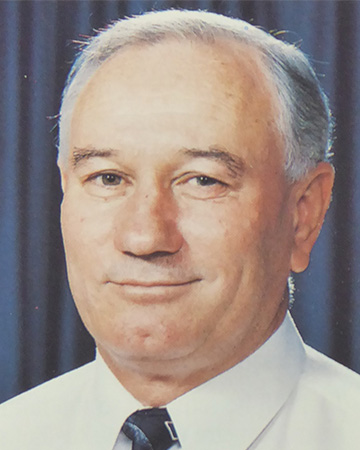
Environment Minister Kevin Minson said today Department of Conservation and Land Management crews would start erecting signs in areas of the northern jarrah forest where the program was being carried out.
Mr Minson said Operation Foxglove was a long-term project to combat introduced predators destroying small native mammals in forest areas between Mundaring and Collie.
It was an initiative of CALM and Alcoa Australia.
The Minister said foxes and feral cats were the single biggest killers of native fauna.
"If we do not control these predators, then many of our precious rare and endangered animals will become extinct," he said.
"Western Australia is fortunate that a naturally-occurring poison can be injected into dried baits and dropped strategically throughout the forest without posing a risk to wildlife.
"The compound is 1080, which is found in Gastrolobium species which are commonly known as poison peas.
"Native mammals have evolved great tolerances to the poison but it is lethal to foxes and dogs."
Mr Minson said CALM and the Agriculture Protection Board had spent months planning the operation in which 440,000 hectares of jarrah forest would be baited.
He said space-age satellite navigation technology such as global positioning systems would be used in the aerial baiting operations.
CALM had prepared maps with detailed flight-lines and air crews would fly these designated routes dropping baits at a rate of five over a square kilometre.
Initially, forest areas between Mundaring and Dwellingup would be baited.
A control area between Dwellingup and Collie would allow researchers to study the dynamics of fox populations before it was baited in three years' time.
Other study sites had been set up outside the forest around Bannister and west of Beverley.
Alcoa Australia's bauxite mine around Jarrahdale and Dwellingup would be baited as part of the company's forest rehabilitation work.
Mr Minson said the recovery of wildlife was crucial to maintaining WA's biological diversity.
"Already we have lost 11 native animal species and many more are threatened, including the State's faunal emblem, the numbat," he said.
"Fox control in areas such as Dryandra has resulted in a huge increase in the numbers of animals such as woylies, numbats, tammar wallabies and black-gloved wallabies.
"If we can bring these animals back from the brink and re-introduce them into their former ranges, then we will have an abundance of some of the most magnificent and fascinating native animals in the world.
"It will provide a huge stimulus to WA's international tourism, because it will build on the State's wonderful natural attractions which make it such a tremendous nature-based tourism destination."
Media contact: Diana Callander 321 2222 or 222 9595