Hospital waiting lists down by half: Health Minister
9/8/00 The waiting list at Perth's teaching hospitals has been reduced by almost 50 per cent in the past two years.
9/8/00
The waiting list at Perth's teaching hospitals has been reduced by almost 50 per cent in the past two years.
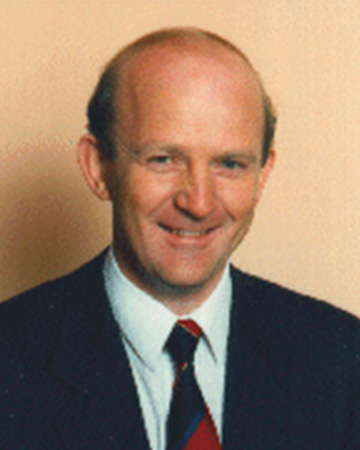
Health Minister John Day said people were waiting less time for elective surgery at Perth's teaching hospitals and being offered greater choices about where and when to have their surgery.
"The latest wait list figure has fallen to 9,880, which is the first time in seven years it has dropped below the five-figure mark,"
Mr Day said.
"This is despite a large increase in population numbers in Western Australia over this period.
"The reduction in wait list figures has been achieved through the collaborative efforts between hospitals, GPs and the Central Wait List Bureau (CWLB).
"Reducing waiting times for elective surgery in WA has been a major priority for the State Government, which committed
$125 million to the program in 1998.
"Since the CWLB was established in March 1998, it has implemented several initiatives to enable people to have elective surgery sooner and this led to the wait reaching a record low not seen since September 1993."
One of the initiatives of the CWLB has been the Getting Patients Treated program with the General Practice Divisions of Western Australia (GPDWA).
The program involved GPs reviewing medical records of patients waiting long term for surgery and, in conjunction with the CWLB, providing patients with the choice of being treated elsewhere.
So far, more than 4,520 patients have been reviewed under the program.
Mr Day said the CWLB was developing technology to enable doctors to have direct access to all hospitals' waiting lists, to help reduce the time people wait for surgery and to distinguish waiting times for outpatient appointments.
"Previously, GPs referred public patients to a teaching hospital without any knowledge of how long it would take for the procedure to be performed," he said.
"In many cases, the patient would simply be added to the hospital's expanding wait list.
"As individual hospitals were previously responsible for their own wait lists, there was no overall co-ordination between hospitals to identify surgical capacity within the total public health system."
Mr Day said in some cases, individual patients were on wait lists at more than one hospital as patients attended different surgical clinics in an attempt to have their procedure sooner.
"Unfortunately attempts by individual patients to expedite the process only made things worse for the total health system in terms of total number of waitlisted patients," he said.
"Consequently, CWLB developed initiatives to ensure the public and doctors have greater access to wait list information.
"The Central Wait List has established a Global Wait List to give hospitals access to wait list information for all public hospitals in WA.
"The Global Wait List has greatly improved efficiency in transferring patients to a hospital with a shorter waiting list."
Those after more information can contact the CWLB toll free helpline on 1800 654 807 or visit its web site at
http://www.health.wa.gov.au/cwlb.
Media contact: Carole Cowling on 9213 6600