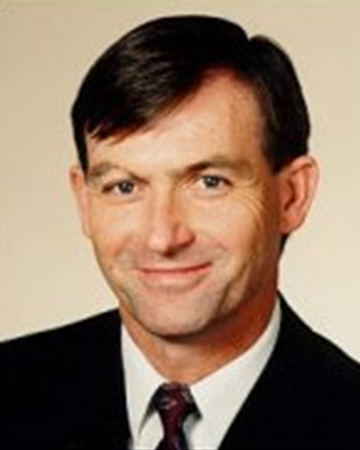
Infill sewerage program projects planned for the Goldfields & Agricultural regions
16/10/99 Projects under the State Government's major infill sewerage program costing about $10 million are planned for the Goldfields and Agricultural regions in 1999-2000.
16/10/99
Projects under the State Government's major infill sewerage program costing about $10 million are planned for the Goldfields and Agricultural regions in 1999-2000.
Water Resources Minister Dr Kim Hames said today that this followed projects worth about $14.5 million carried out in the region during the first half of the program.
Dr Hames said the projects this financial year would concentrate mainly on Esperance and Toodyay providing sewerage to about 680 properties in Esperance and Castletown and about 68 properties in Toodyay.
"As well as contributing to the region's economy the program is bringing significant environmental and public health benefits, which are its primary objectives," he said.
"Access to sewerage schemes is giving some centres in Western Australia significant growth potential by enabling town planners to allow for higher density housing and tourist accommodation.
"The infill program, which is managed by the Water Corporation for the State Government, is now half completed and has provided access to sewerage systems for 45,440 properties throughout the State."
The program was scheduled to take 10 years to complete and cost about $800 million - one of the biggest public works projects in the State's history.
"When completed in 2004 it will have serviced around 111,000 properties whose septic tanks have been leaching about 1,500 tonnes of nutrients into shallow groundwater systems every year," Dr Hames said.
"To get rid of all those tanks will significantly benefit our environment, although the full effects will not be realised for a number of years as it will take that long for existing pollutants to disappear.
"There will also be an important public health benefit because large amounts of potentially harmful infectious micro organisms from raw sewage will no longer be leaching from septic tanks.
"For these reasons properties should be connected to newly available sewerage systems as soon as possible so that septic tanks can be taken out of commission."
Dr Hames said the program had met its objective of providing sewerage systems to areas of greatest public health risk during its first five years. These were generally adjacent to waterways or wetlands or prone to flooding.
"Projects in the Goldfields and Agricultural regions have included major works in York which, since its foundation in 1831, relied exclusively on septic tanks," he said.
"The provision of a deep sewerage scheme to 142 properties, mostly in the central commercial area, is opening the way to new tourism development and helping to ease pollution problems in the Avon River.
"Infill projects are providing hundreds of jobs around the State and creating demand for about 300km of pipes each year as well as a range of equipment, materials and hardware, most of which is purchased in WA.
"All the program's projects are subject to open, competitive tendering.
"New construction methods including micro-tunnelling are being used to reduce disruption to residents, motorists and businesses."
Media contact: Caroline Lacy 9424 7450
Water Corporation: Phil Kneebone 9420 2420