Launch of new program to decrease attractiveness and use of psychostimulant drugs
16/1/00 The social and short-term health implications of using psychostimulant drugs are the focus of a new campaign for young Western Australians.
16/1/00
The social and short-term health implications of using psychostimulant drugs are the focus of a new campaign for young Western Australians.
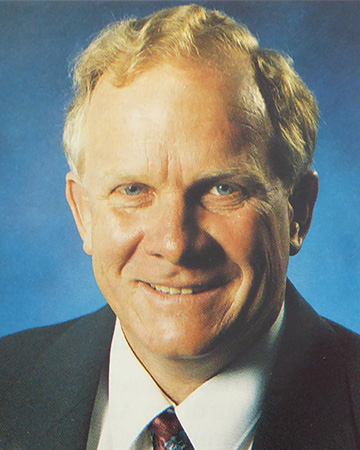
Launched today by Kevin Prince, the new Minister Responsible for the WA Strategy Against Drug Abuse, the latest Drug Aware program aims to decrease the attractiveness and use of psychostimulant drugs among young people aged 14-24 years.
Psychostimulant drugs include amphetamines, ecstasy, LSD and other hallucinogens.
"This campaign is in response to concerns about the levels of use of psychostimulants among young people generally and reports of recent, increased world-wide production of amphetamines," Mr Prince said.
"Clearly, young people in the 14-24 year-old age group are susceptible to peer group pressure and experimentation with drugs.
"But we should also be aware that the vast majority of our young people make good positive decisions about their health and future direction and make significant contributions to the community without experiencing drug abuse problems.
"This campaign aims to highlight to those who are considering taking these drugs that they may be experimenting with a deadly, unknown cocktail of chemicals.
"The effects of these drugs can be unpredictable and harmful and can even result in death.
"While young people have a high level of awareness of a wide variety of illicit drugs, their perceptions of the effects of these drugs show that they do not know what harm they may be exposing themselves to.
" 'Know what you are getting into' is one of the key messages of this latest Drug Aware campaign produced by the WA Drug Abuse Strategy Office and the Health Department of WA."
A 1996 survey of young people aged between 12 and 17 years conducted by the Health Department of WA found in the last month:
- 78 per cent had not used tobacco;
- 53 per cent had not used alcohol;
- 76 per cent had not used cannabis;
- 96 per cent had not used hallucinogens;
- 98 per cent had not used amphetamines; and -
- 99 per cent had not used ecstasy or other drugs like heroin or cocaine.
However, another survey conducted among 18-24 year-olds in 1997 found:
- 30 per cent had used LSD in their lifetime;
- 21 per cent had used amphetamines;
- 17 per cent had used ecstasy; and -
- 3-6 per cent said they had used these drugs in the last month.
Mr Prince said this data showed that young people in the community were being faced with decisions about whether or not to use these drugs and it was vital that they were equipped with accurate information.
"Providing information about the harms of these drugs and the treatment services available have been a key element of the WA Strategy Against Drug Abuse since 1996," the Minister said.
"If we can stop young people starting to use drugs and delay the onset of any experimentation, this will benefit both our young people and our community as a whole."
The Psychostimulants Campaign will include advertisements on radio and in newspapers and magazines with a strong youth audience.
The advertisements focus on increasing young peoples' awareness of the social and short-term health implications of using psychostimulants.
"The social consequences of using psychostimulants include loss of control, loss of friends' respect, loss of friends and a breakdown in family and work relationships," Mr Prince said.
"The short-term health consequences can include anxiety, nausea, aggression and vulnerability to violence or harm.
"We need to reinforce the positive consequences of avoiding psychostimulants, which include maintaining meaningful relationships with friends and family, avoiding bad experiences with drugs, saving money and 'not getting ripped off because you never know if you are getting the real thing'."
The campaign will also include the distribution of fact sheets and merchandising such as a CD case, sunglasses and other items. Posters will be placed in venues popular with young people.
"Other agencies including Community Drug Service Teams, the Health Department and Local Drug Action Groups will also be hosting activities to further disseminate the key educational messages of this campaign for young people in their local area," Mr Prince said.
The first phase of the campaign will run until the end of March.
Media contacts: Kirsten Stoney 9220 5000