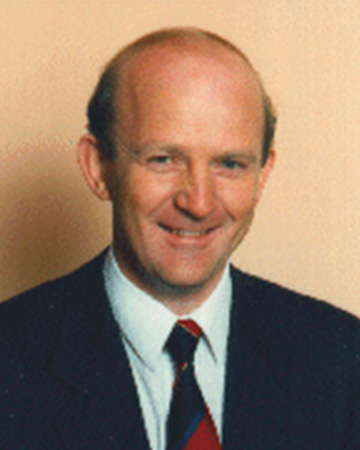
Launch of stage two of the 2000 Adult Measles Campaign
24/6/00 The second stage of the 2000 Adult Measles Campaign will be launched today by Health Minister John Day.
24/6/00
The second stage of the 2000 Adult Measles Campaign will be launched today by Health Minister John Day.
Mr Day said the purpose of the measles campaign was to increase the vaccination level in the 18 to 30-year-old age group, which was still vulnerable to measles outbreaks.
"In Australia, the 18 to 30-year age group has the lowest immunity to measles due to low vaccination rates," he said.
"Most older people think of measles as a common and relatively harmless disease of childhood. However, measles in adults can be a serious and even fatal disease.
"One in three adults are hospitalised and about one in 1,000 adults will die from measles."
Since the introduction of the measles vaccination in the 1970s, the death rate has plunged to an average of one death every few years.
The last national measles epidemic occurred in 1993-94, when thousands of cases and four deaths were reported.
Mr Day said the ability of measles to cause outbreaks had been demonstrated many times, both overseas and in Australia.
"There is no doubt that the national measles vaccination program has saved many thousands of lives in Australia," he said.
"This is a great example of public health in action, preventing disease, saving lives and saving money."
During the first stage of the measles campaign earlier this year, the Health Department vaccinated more than 6,000 tertiary students at university and TAFE campuses, and General Practitioners were asked to check their older patients for measles immunisation.
The second stage of the 2000 Adult Measles Campaign involves a television advertisement to emphasise measles immunisation for young adults as well as children.
"The advertisement, which will be broadcast for six weeks, also prompts general practitioners to raise the issue of measles vaccination with their patients," Mr Day said.
"A good response to this campaign, combined with the maintenance of high measles vaccination levels in young children, will mean no more measles outbreaks and no more deaths in the future."
The campaign will be supported by other information materials including posters and fact sheets, and information will be available on the Health Department's Internet website.
Media contact: Carole Cowling 9213 6600