Port Hedland to cultivate beta carotene-rich algae
19/7/95The Pilbara town of Port Hedland is set to gain a new multi-million dollar industry, which will provide the raw material for the production of the valuable food and pharmaceutical compound, beta carotene.
19/7/95
The Pilbara town of Port Hedland is set to gain a new multi-million dollar industry, which will provide the raw material for the production of the valuable food and pharmaceutical compound, beta carotene.
The project, a commercial agreement between Cargill Australia and Melbourne-based Betatene Limited, will involve the cultivation of beta carotene-rich algae at Cargill's solar salt production field at Port Hedland.
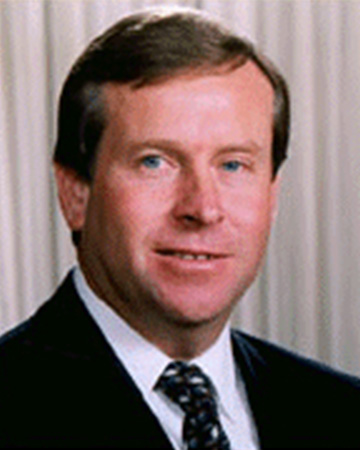
Approval for the scheme has been given by Resources Development Minister Colin Barnett, who said the project would be a significant economic boost to Port Hedland.
The Minister said the Cargill Australia Betatene project involved the initial production from the cultivated algae of 15 tonnes a year of beta carotene, which was used as a vitamin supplement in the health food industry, a yellow-orange colorant in food industry production and for pharmaceutical purposes.
More recently, attention had been focused on the anti-oxidant properties of beta carotene, its effect on the human immune system, possible benefits in the prevention of some cancers and its use in reducing cardiovascular problems.
Mr Barnett said that the beta carotene project joined a growing list of other projects planned or already underway at Port Hedland, including BHP's Pilbara Energy Project, a new direct reduced iron plan and other projects associated with the Gas to the Goldfields pipeline.
He said the strong growth in the market for beta carotene required the additional production from the Betatene operation.
The product would be used mainly in the health food industry and to satisfy Betatene's immediate expansion requirements, taking the company's share in the food industry to between five and 10 per cent of the existing market.
The operation at Cargill's Port Hedland salt field would involve growing species of algae high in beta carotene, in ponds of saline water next to the salt field. Brines from the ponds would be fed into a processing plant to concentrate the algae, which would then undergo further treatment at Betatene's Melbourne facilities to recover the beta carotene.
Mr Barnett said that Betatene was planning to spend about $10 million for the supply and construction of the cultivation ponds, the algae concentration plant and a range of equipment.
The construction workforce would peak at about 20 building the earthworks, with a similar number involved in building the plant.
"Once the plant is operating, the permanent workforce of about 15 will be needed for the operation of the ponds and plant," he said.
"Depending on the success of the project and market considerations, the pond area at Port Hedland could be expanded in stages to equal a yield of up to, or more than, 35 tonnes a year of pure beta carotene."
Media contact: Carolyn Vicars 222 9699