Published
23 August 1997

23/8/97
Conservation of the State's wetlands will receive an unprecedented level of commitment from the Coalition Government under a new policy released today.
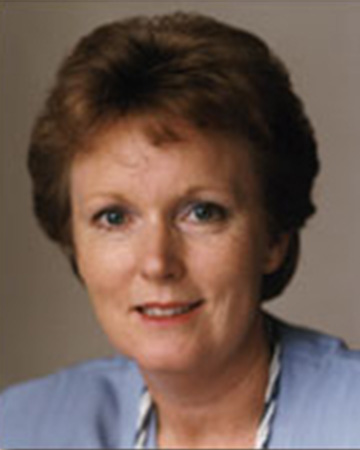
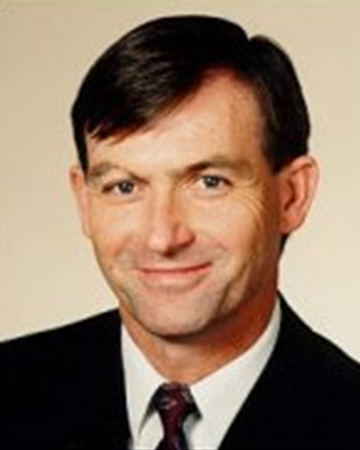
The Wetlands Conservation Policy for Western Australia, which commits the Government to identifying and maintaining the State's wetlands for the long-term benefit of Western Australians, was launched by Environment Minister Cheryl Edwardes and Water Resources Minister Kim Hames.
The Ministers also released a new video, Living with Wetlands and a book, 'A Guide to Wetland Invertebrates of Southwestern Australia' and a report which mapped and classified wetlands between Augusta and Walpole on the south coast.
"WA has an enormous diversity of wetlands that support a rich natural heritage of wildlife - both flora and fauna - and has many related values such as recreation, tourism, fisheries, water supply and flood damage reduction," Mrs Edwardes said.
"The new policy outlines the Government's broad objectives for wetlands and provides a framework for wetland conservation efforts in WA."
The document has two main components - a Statement of Policy and a Strategy for Implementation.
The Statement of Policy establishes five principal objectives:
· conservation and restoration of wetlands;
· establishment of wetland conservation reserves;
· maintenance of wetland biodiversity;
· maintaining the abundance of waterbird populations (particularly migratory species); and -
· raising public awareness and enjoyment of the many values of wetlands.
"The Strategy for Implementation provides a range of processes and actions which will help us achieve these objectives," Mrs Edwardes said.
"As a priority, the Government will establish a Wetlands Co-ordinating Committee. This group, which will have representation from State and local governments and the community, along with an independent wetland scientist, will prepare a program of action to assist in realising the objectives.
"As a further part of this policy we will be identifying WA wetlands of national importance and progressively developing an inventory of the State's wetlands that will contribute to the national inventory."
Dr Hames said Living with Wetlands, the fifth in a series of videos produced by the Water and Rivers Commission, would raise public awareness of wetland diversity, management problems and sustainable practices on the Swan Coastal Plain. It was aimed at upper primary and lower high school levels but would be useful for community groups interested in wetlands.
The guide to wetland invertebrates book was produced with support from the Urban Water Research Association of Australia, the Land and Water Resources Research and Development Corporation, the WA Museum and the WRC.
Dr Hames said the book provided a simply written, well-illustrated guide to help people identify invertebrates that were an important indicator of the health of wetlands.
The mapping and classification of wetlands from Augusta to Walpole described, for the first time, the location and type of wetlands on the Scott Coastal Plain. This would help the WRC to develop a water resources allocation strategy for the region.
Media contacts: Diana Russell Coote 9421 7777 or 018 906 948
Caroline Lacy 9322 6521 or 041 791 7819