Support for gypsum mining at Lake Chinocup
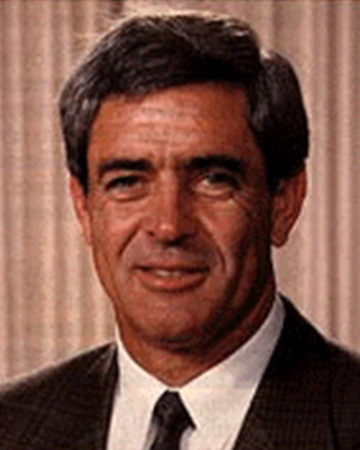
20/4/94Primary Industry Minister Monty House believes the environmental benefits to farmland would far outweigh other environmental concerns if gypsum mining was allowed at Lake Chinocup near Pingrup.
20/4/94
Primary Industry Minister Monty House believes the environmental benefits to farmland would far outweigh other environmental concerns if gypsum mining was allowed at Lake Chinocup near Pingrup.
Mr House has written to Environment Minister Kevin Minson to register his opposition to the Environmental Protection Authority's recommendation not to allow gypsum mining at the lake.
"I believe the excision of a small section of the reserve would allow significant environmental benefits for large tracts of farmland in the district," the Minister said.
The application of gypsum alleviates land degradation, waterlogging, widespread surface run-off, erosion and eutrophication. Land with low productivity can be renovated to allow crop and pasture plants to penetrate the soil.
The nearest source of gypsum to this site is 146 km away by road, which makes freight costs prohibitive for farmers in the area.
"The application of gypsum is a recognised landcare practice which has significant environmental importance," Mr House said.
"While I acknowledge there are some plant species in the area which are poorly represented in the State, the overall environmental benefits to the farmland in the district far outweighs any danger to some minor species which are represented in other locations."
There has been some concern expressed in relation to the species Agenanthos pungens, which is present in the area.
However, the Consultative Environmental Review indicated there were in excess of 1500 plants in the reserve, with less than 100 on the proposed mining site.
Mr House pointed out that Lake Chinocup reserve is a harsh and desolate area of almost 20,000 hectares, and the mining requirements were less than 70 ha in total.
This included the initial use of only 20 ha, which would have to be rehabilitated and regenerated before any further mining occurred.
"The proponents are willing to pay a considerable bond to ensure this rehabilitation occurs, and in addition, the local shire is prepared to transfer 120 ha of adjoining land into the reserve to compensate for any land lost from the gypsum mine," the Minister said.
"It must be remembered that the Lake Chinocup reserve is some of the most desolate country you would ever want to see.
"There is a 12,000 ha salt lake in the reserve, and the country is covered by typically barren sand hills, with scattered mallee trees. In fact, the area is known as Desert Island by the locals."
Mr House has objected to the recommendation through the official 14-day EPA appeal process.
Media contact: Will Henwood (09) 481 2044