Published
14 November 1994
Ministers

14/11/94
Amid all the talk of the information super highway and the fight for control of global pay television, there is a success story here in Western Australia which has largely been ignored.
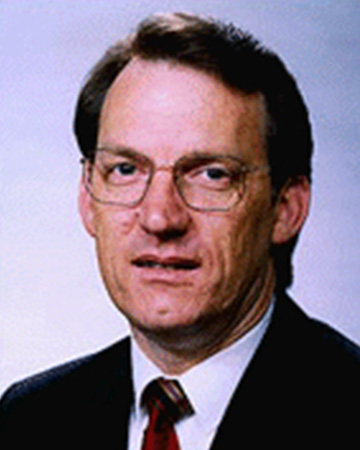
Services Minster Graham Kierath said the first full year of operation for WESTLINK had been one of great success and extensive expansion.
WESTLINK uses satellite technology to bring a range of services such as education programs and departmental and commercial information to rural and remote WA via talk-back television.
"It was a tough decision for the Government to commit nearly $1 million to the program for the first year of operation, but we could not be more delighted with the outcome," Mr Kierath said.
"Not only did WESTLINK reach its target of 700 hours of program transmission for the first year - its original 30 remote sites will have expanded to 90 by year's end.
"Perhaps one of the most exciting areas of expansion is taking the network to the Aboriginal community."
Equipment has been allocated to the Pundulmurra Aboriginal College and to other communities such as Wiluna, Roebourne and Warburton and in the near future eight sets of equipment will be sent to remote community schools in the Ngaanyatjarra lands.
Mr Kierath said the Department of State Services would also be approaching ATSIC and the Aboriginal health policy unit to encourage the development of special programs for Aboriginal members of the community on a wide range of topics, including education, training and health and social issues being produced specifically for the Aboriginal members of the community.
There had been an increase in the number of Government departments using WESTLINK.
"Departments are learning quickly that the facility is a valuable tool and are using it in increasing numbers," the Minister said.
"While most telecentres have reception equipment supplied by WESTLINK, the Federal Department of Primary Industries and Energy and the WA Department of Training are beginning to fund their provision in some new centres.
"The WA Centre for Rural and Remote Medicine plans to put 70 sets in hospitals throughout the State."
Mr Kierath said a good indication of the popularity of the system was that when trial broadcasting was conducted in 1992, 500 hours of transmission were used at no cost to subscribers.
"This year when subscribers were charged a subsidised fee for use, 700 hours were used and 600 hours have already been booked for use next year," he said.
Media contact: Brian Coulter 222 9595 / 481 2133