Warning to marroners about fox baits in northern jarrah forest
10/1/95People venturing into the northern jarrah forest for the marroning season have been urged to leave their dogs at home and take a spotlight instead.
10/1/95
People venturing into the northern jarrah forest for the marroning season have been urged to leave their dogs at home and take a spotlight instead.
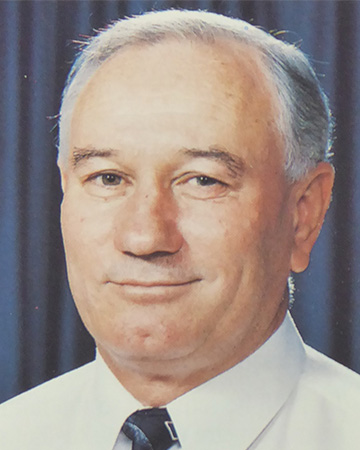
Environment Minister Kevin Minson said today 500,000 hectares of the forest between Julimar and Collie had been baited as part of the Department of Conservation and Land Management's native animal conservation initiative, Operation Foxglove.
The program, jointly funded by CALM and Alcoa of Australia, uses the naturally-occurring toxin, 1080.
"Native animals have evolved alongside this poison and have developed relatively high levels of tolerance to it," Mr Minson said.
"However, it is lethal to foxes and dogs and there is no antidote.
"The best advice is for people to leave their dogs at home.
"They could take a spotlight instead and enjoy part of their time in the forest watching native animals which are now beginning to recover in numbers as a result of Operation Foxglove."
Mr Minson said some of the animals which were ideal subjects for spotlighting were brush tail possums, chuditch, wallabies, mardo (small mouse-like carnivorous marsupials) and quenda, also known as southern brown bandicoots.
The next round of aerial baiting for fox control is scheduled for the week beginning January 16.
"The aerial baiting runs don't pose a threat to humans as areas around visitor facilities are laid by hand," Mr Minson said.
"I would also appeal to marroners and other people visiting forest areas to take extreme care with campfires.
"They should only light fires in designated places on days on which it is safe to do so.
"Open fires are banned on days rated very high and extreme fire danger. The fire ratings last until midnight so even though the weather may appear cool in the evening, open fires should not be lit on these days."
Mr Minson said all forest regions were drier than usual.
"If everyone co-operates, then we have a better than even chance of coming through this particularly dry summer unscathed by ravaging wildfires."
Media contact: Caroline Lacy 222 9595 321 2222