Waterbird protection program at Mandurah resort
7/12/93A major conservation management program to protect some of the world's unique migratory waterbirds will be built into a resort and canal development at Mandurah.
7/12/93
A major conservation management program to protect some of the world's unique migratory waterbirds will be built into a resort and canal development at Mandurah.
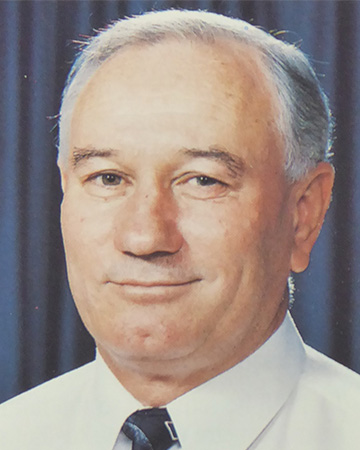
Environment Minister Kevin Minson said today the developer would have to adhere to stringent conditions to ensure habitats on the Creery Wetlands were enhanced to protect migratory and local waterbirds.
"We have come up with a solution which balances development with conservation and which will prove to be the blueprint for future developments," Mr Minson said.
Announcing his decision on appeals against the Environmental Protection Authority's recommendations for the Harbour City Canal Estate, he said the developers had agreed to give the State almost 40 per cent of their land - worth $2.3 million - for the conservation reserve.
In addition, the developers had agreed to spend nearly $700,000 constructing a vermin-proof fence, removing rubbish, erecting boardwalks and bird hides and establishing and funding a waterbird research and monitoring committee.
"The development will nullify vandalism to the wetlands which have been severely degraded by vehicles carving tracks through them and people dumping car bodies and other rubbish," Mr Minson said.
He said he believed this modified proposal for the development of the land - which included canals, chalets, housing, a luxury hotel and retail outlets - was an acceptable solution.
"I have looked at all the issues very, very carefully and believe anyone who tried to review the proposal fairly would come to the same conclusion," Mr Minson said.
"This development will enhance tourism, create jobs in the building and hospitality industries and ensure that habitats for waterbirds are fully protected.
"Mandurah is the second fastest-growing region in the State and there is a need for luxury and family holiday accommodation."
Mr Minson said an independent assessment of job opportunities for the $140 million development would create 1,385 jobs - 185 short-term jobs in the first two years, 815 jobs over nine years and 385 permanent jobs.
He said he was confident the development could go ahead without violating the international treaties - Ramsar Convention, Japan Australia Migratory Bird Agreement (JAMBA) and China Australia Migratory Bird Agreement (CAMBA).
The land proposed for development was privately owned and not 'listed' under the Ramsar Convention.
Land to be developed for the Harbour City proposal was a small parcel adjoining the 'listed' area.
Mr Minson said the conservation reserve would be managed by the Department of Conservation and Land Management and the waterbird research and monitoring committee would include a representative of the developer, CALM, EPA and the Royal Australasian Ornithologists' Union.
He said if Federal Environment Minister Ros Kelly agreed, the committee would also include a representative from the Australian Nature Conservation Authority.
Mr Minson said some of the key conditions included the developer:
· delineating clearly the boundary line between the conservation reserve and the development site before beginning construction to ensure it did not impact on the waterbirds in the area;
· monitoring disturbance effects on waterbirds from construction with the waterbird research and monitoring committee;
· preparing and submitting a report on the potential impacts of dewatering on the vegetation within the conservation and foreshore reserves to the Environment Minister before beginning the canal construction;
· notifying the Environment Minister at least two weeks before the start of each stage of development for his approval; and
· compensating for any demonstrated loss of wetland function for waterbirds caused by the development by providing either a replacement wetland, rehabilitating another wetland resource or ceding extra land for the conservation reserve.
Mr Minson said the conditions were specifically designed to meet the relevant clauses of the agreements covering migratory birds.
He said for the first time in Western Australia they would provide a comprehensive co-operative research and monitoring program funded by a private development in support of the treaties.
Media contact: Diana Callander 321 2222 or 222 9595