$30M tree-planting project
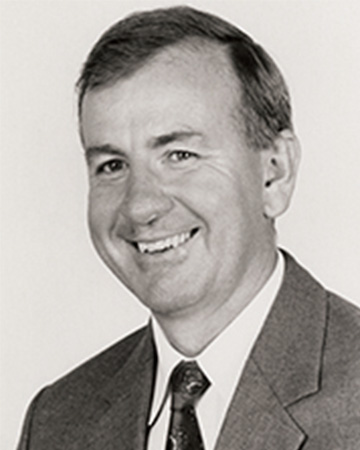
Environment Minister Jim McGinty today announced a $30 million tree planting project - a boost to one of the State's newest export industries which will also improve water quality in the Wellington catchment area.
Environment Minister Jim McGinty today announced a $30 million tree planting project - a boost to one of the State's newest export industries which will also improve water quality in the Wellington catchment area.
The project is the result of an agreement between the Department of Conservation and Land Management and one of Korea's leading forest product companies.
"The president of Hansol Forest Products Company today signed a letter of intent to plant 10,000 hectares of blue gums over the next 10 years," Mr McGinty said.
"Hansol will meet all costs of the project, which will begin next year with 500 hectares of trees on already cleared farm land.
"Pulp wood from the harvested trees will generate an annual export income of $25 million. This agreement also represents an important new link in the strong relationship established between South Korea and Western Australia."
Earlier this month, Premier Carmen Lawrence announced details of a similar agreement between CALM and two leading Japanese companies.
Oji Paper Company and Itochu Corporation will spend $60 million over the next decade establishing 20,000 hectares of blue gums in the Albany region.
Both projects will be carried out under sharefarming agreements between farmers and the investors - rather than land purchase.
"Two major agreements in less than two weeks show the enormous potential we have to establish tree plantations in WA," Mr McGinty said.
"There is a soaring demand for paper products in the Pacific Rim, presenting WA with a great opportunity.
"We have the climate, the soils, the cleared land and the management skills to grow some of the best wood fibre in the world.
"This means not only a new source of income for farmers and export earnings, but provides significant environmental benefits.
"Planting trees on already cleared agricultural land will have a major impact in reducing salinity, erosion and phosphate pollution."
Mr McGinty said Hansol would invest in the Bunbury area and it was planned to concentrate planting within the Wellington catchment area.
"WA would not enjoy the standard of living we have today if it were not for our farmers," the Minister said.
"However, more than anybody else, they recognise that clearing native vegetation has led to water and land degradation and they are leading the push to reverse these problems.
"This is an expensive process and it is a great achievement to build a new industry out of addressing these land care problems.
"Scientists are confident that we can restore the Wellington catchment's water quality by reafforestation.
"The Hansol plantations will complement the excellent work already carried out by the Water Authority of WA - which together with CALM has been planting trees on former agricultural land over the past 20 years."
Mr McGinty said the project was an excellent example of how economic and environmental goals could be combined.
"There is no reason why WA cannot establish 200,000 hectares of tree plantations on already cleared land in the South-West within 15 years," he said.
"Tree planting on this scale would generate an annual export income of $500 million."