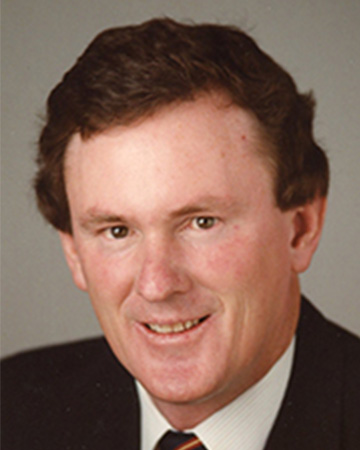
Japanese perspective on WA iron ore industry
TOKYO: Directors from Japan's major steel companies have told Deputy Premier Ian Taylor that they now view Western Australia's iron ore mines as among the most competitive in the world.
TOKYO: Directors from Japan's major steel companies have told Deputy Premier Ian Taylor that they now view Western Australia's iron ore mines as among the most competitive in the world.
During a two-hour meeting in Tokyo with representatives of the industry's five largest mills, Mr Taylor was told that the State's international competitiveness was winning it a larger share of the Japanese market - despite the fact that steel production was falling.
"From the Japanese perspective the Pilbara has turned round from being an industry trouble spot to an industry pace-setter," Mr Taylor said.
"And it is this more than any other factor which is saving Pilbara mines from the worst effects of the recession."
Mr Taylor is in Japan explaining Western Australia's new economic strategy to the State's main industrial customers.
"Five years ago the Japanese steel industry was easily our harshest critic," Mr Taylor said.
"But after some extraordinary efforts by mining companies, the unions and State and Federal Governments to improve performance, our reputation is changing dramatically."
Mr Taylor said the Japanese had recognised the underlying financial strength of Western Australian iron ore companies and saw this as important to Japan's continued support and investment confidence.
The steel industry's forward estimates for iron ore demand reflected the slow-down in the Japanese economy. It was possible that its international purchases of iron ore over the next twelve months would fall by nine million tonnes.
"In any case they do not believe our share of the Japanese market will drop from its present record level of 47 per cent and could approach 50 per cent," Mr Taylor said.
He said he had explained how delays to the Marandoo project had been overcome, and emphasised the success which had been achieved in bringing others into operation on or ahead of schedule, including BHP's new Yandi mine; Hamersley's Brockman No 2 Detritals project; Robe River's Mesa J; Hancock's McCamey's Monster; and the Channar project.
"The Japanese were pleased to see the emphasis we had placed in the new economic strategy on streamlining development approvals," he said.
Mr Taylor said there was also new recognition among the steel companies of Western Australia's desire to process more of its own raw materials.
"Until now they have always appeared reluctant to treat us as anything other than a supplier of minerals," he said.
"But I was told they appreciated our desire to add more value to our resource by processing and noted our desire to see the involvement of major existing overseas companies.
"They have pointed out that if we are to be successful it will be necessary to ensure that any new processing industry is - just like today's Pilbara mining industry - internationally competitive.
"But I am convinced the actions we are taking under the new economic strategy will do just that."