Launch of fox control program for Pilbara
The 1992 Fox Control program for the Pilbara was launched on Dolphin Island off the Burrup Peninsula today.
The 1992 Fox Control program for the Pilbara was launched on Dolphin Island off the Burrup Peninsula today.
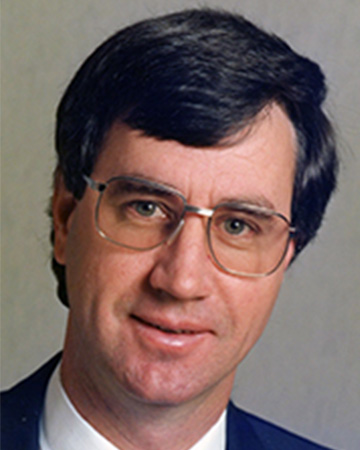
Environment Minister Bob Pearce said it was an example of a successful partnership between Government and private industry to protect native mammals in the Pilbara.
"The program has been carried out for ten years by the Department of Conservation and Land Management, with help from Woodside Petroleum," Mr Pearce said.
"It has had tremendous results, and shows how much can be achieved with a co-operative approach.
"In ten years, the number of rock wallabies on Dolphin Island has increased by 500 per cent, and there appears to have been increases in the populations of other mammals as well, such as the quoll, or northern native cat.
"It is important that baiting has not adversely affected the northern quoll, a predator which would probably pick up some baits, although quolls are much more resistant to 1080 than foxes are.
"However, the program demonstrates once again the devastating effect introduced predators have had on Australian mammals across the State and the way native animal populations can recover if this unnatural threat is removed."
With the boost in fox control provided through CALM's recently announced Operation Foxglove program, the Department will prepare baits using 1,080 poison, to which native animals are naturally resistant.
The baits will be dropped by helicopter provided free of charge by Woodside on the Burrup Peninsula and Dolphin Island, to the north.
Mr Pearce said the program removed almost all foxes from the baited area, but only temporarily.
"It takes only six to eight months before foxes on mainland areas reinvade and baiting has to be repeated. The island is protected for slightly longer, but its proximity to the peninsula and the low tides make it relatively easy for foxes to reinvade," Mr Pearce said.