Major restructuring of Agriculture Dept
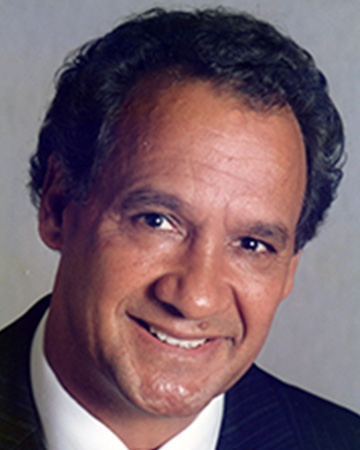
Agriculture Minister Ernie Bridge today announced a major restructuring of the Department of Agriculture into five key policy areas.
Agriculture Minister Ernie Bridge today announced a major restructuring of the Department of Agriculture into five key policy areas.
Mr Bridge said the new structure would streamline operations and ensure a more cohesive approach. The department was previously split into 11 separate areas of operation.
The new divisions include:
· Animal Industries (Manager, Dr John Lightfoot) - integrating the former animal production division and animal health division, with a focus across each industry group from on farm production right through to product development and marketing.
· Plant Industries - (Manager, Mr Mick Poole) to include crop and pasture research, horticulture research, plant protection, and research associated with resource management. Programs would be oriented towards new product development and developing and refining existing products to increase efficiency and improve value and market access.
· Regional Operations - (Manager, Mr Brian Gabbedy). This would maintain the department's existing regional management structure, but add to it groups supporting technology transfer, community landcare, and soil conservation.
· Policy Analysis and Market Development - (Manager, Mr John Nicholls). This would cover policy analysis, farm management, and market development. The market development area would operate as an autonomous sub-program headed by Dr Brian Stynes, linking across all department programs and providing support to new initiatives and industries.
· Corporate Services - (Manager, Mr Mike Bond) would remain largely as it was, with the addition of a small unit to review and evaluate research and other programs across the department.
Mr Bridge said the changes would focus the department's activities more specifically on industry development.
It would also ensure research and extension programs operated across the full range of an industry from on-farm production to the market.
A particular benefit was that the proportion of resources involved in management and administrative areas would be reduced, allowing increased resources for operational programs.
Mr Bridge said that while he had decided on the broad structure, the details of implementation would be prepared in consultation with staff, unions, and industry.
While the activities of some staff would be re-directed, he stressed that the process was not aimed at reducing staff numbers. The aim was to ensure the department maintained a key role in the future development of agriculture in Western Australia.
"My prime concern is to maximise efficiency and ensure the best possible service is provided to the rural sector, and thus the WA economy as a whole," he said.
A comprehensive review of all agencies under Mr Bridge's agriculture portfolio - including RAFCOR, the Agriculture Protection Board, and the department - was continuing, with a detailed discussion paper to be released shortly.