


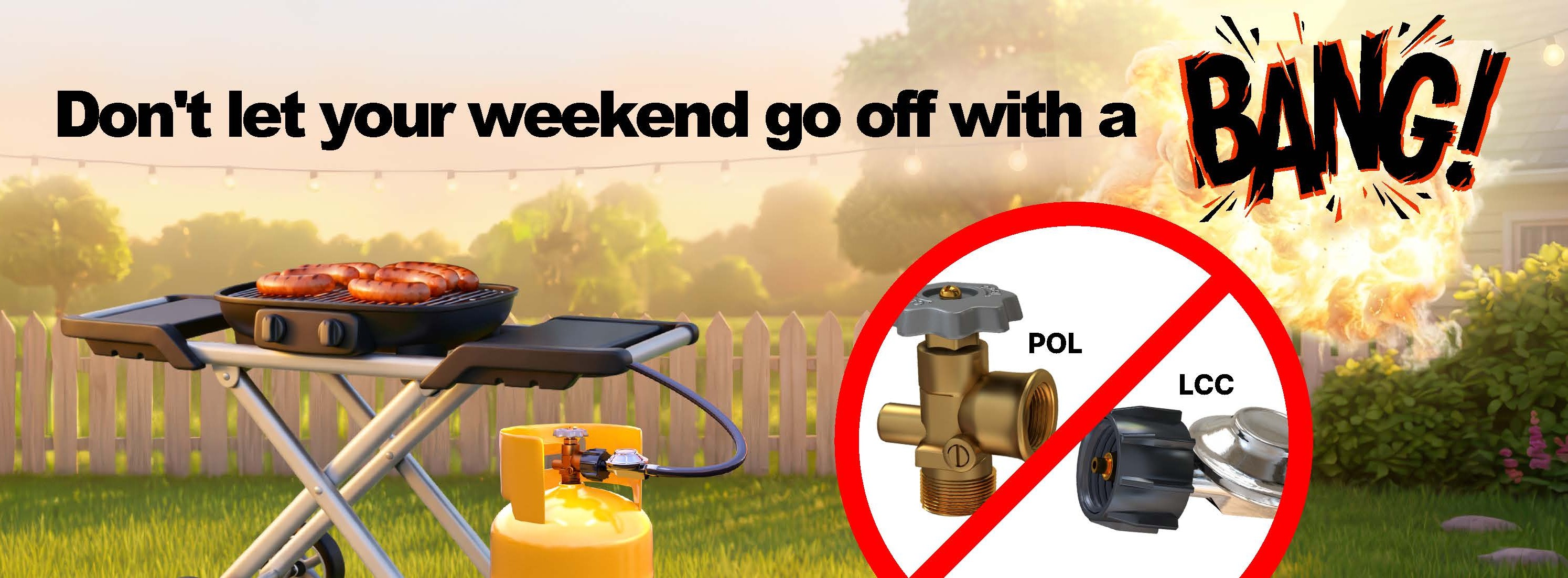
- Only use portable gas appliances in the open air due to carbon monoxide dangers
- ‘Soapy water test’ shows leaks from a gas cylinder, hose or connections
- Two types of connections available for LPG cylinders and appliances
Easter is one of Western Australia's peak camping periods – and the State’s energy safety regulator is sharing key advice on the safe use of gas appliances while camping.
Adequate ventilation, well-maintained equipment and correct cylinder connections are some of the key reminders from the Department of Local Government, Industry Regulation and Safety’s Building and Energy division.
“Gas appliances are safe and convenient when in good working order and used as intended,” WA’s Director of Energy Safety, Daniel Kearney, said.
“Unfortunately, misused or faulty gas appliances have caused serious injuries and property damage, including from gas leaks, fires and carbon monoxide exposure.”
Only use outdoor appliances outdoors – never in tents or RVs
Outdoor gas appliances such as barbecues, cookers, heaters and fridges must always be used in the open air to avoid potentially lethal exposure to carbon monoxide.
“They should never be used inside tents, caravans, campervans or other enclosed areas, even if the doors or windows are open,” Mr Kearney said.
For gas appliances permanently installed in a caravan or RV, the ventilation openings and flues should not be blocked or restricted.
Make the right connection – check you have the correct cylinder
Campers are reminded to choose the correct LPG cylinder type for barbecues and other portable gas appliances.
It is important to be aware that two types of LPG cylinder and appliance connections are now available. People have suffered serious burns after using incompatible connections.
Older gas appliances can be used with either cylinder valve – the newer and safer design called LCC27 or the traditional POL. Importantly, newer appliances must only be connected to cylinders with the LCC27 valve.
Check the labelling on the product, look for retail store signage and familiarise yourself with the guidance on the LP gas cylinder safety webpage, which includes a handy new video.
Check the condition of gas equipment – don’t risk faulty components
Building and Energy also recommends having gas appliances serviced regularly by a licensed gas fitter and checking the equipment before use.
Gas hoses should be checked for damage before each use. Check for gas leaks by spraying soapy water on the LPG cylinder outlet, hose and appliance connections while the gas is turned on but before it is ignited. Bubbles or a gas smell are signs of a leak. Turn the cylinder valve off immediately and don’t use the equipment.
The LPG cylinder should be in good condition and its most recent test date should be within the past 10 years. If not, the cylinder should be replaced.
Other Building and Energy advice for safe camping with gas
- Read the safety warnings, follow the manufacturer’s instructions and look for an approval badge to certify that the portable gas appliance is authorised for sale in Australia.
- Store LPG cylinders outside and away from sources of heat or ignition. Transport them in an upright position, secured firmly and outside the passenger area. Do not carry cylinders in the car boot or any unventilated space for extended periods.
- Know the symptoms of carbon monoxide poisoning, including headaches, dizziness, nausea, weakness and confusion. Move to fresh air and seek medical help immediately if symptoms appear.
“Have a good look at your gas equipment while you’re packing – if you have any safety concerns, don’t use it and arrange to have it checked by a licensed gas fitter,” Mr Kearney said.
Visit Building and Energy’s camping safely with gas webpage (via lgirs.wa.gov.au) for more information.
<ENDS>
Media contact: BEmedia@demirs.wa.gov.au

 Print this page
