


Western Australia’s Household Hazardous Waste (HHW) program continues to protect communities and the environment, with 549,943 kilograms of hazardous materials safely collected and processed at facilities across the state.
The program, delivered in partnership with local governments and WALGA on behalf of the Waste Authority, allows people to dispose of hazardous items safely and free of charge at 15 permanent WA locations.
The 2024-25 financial year saw an increase of more than 45,000 kilograms collected when compared with the previous year.
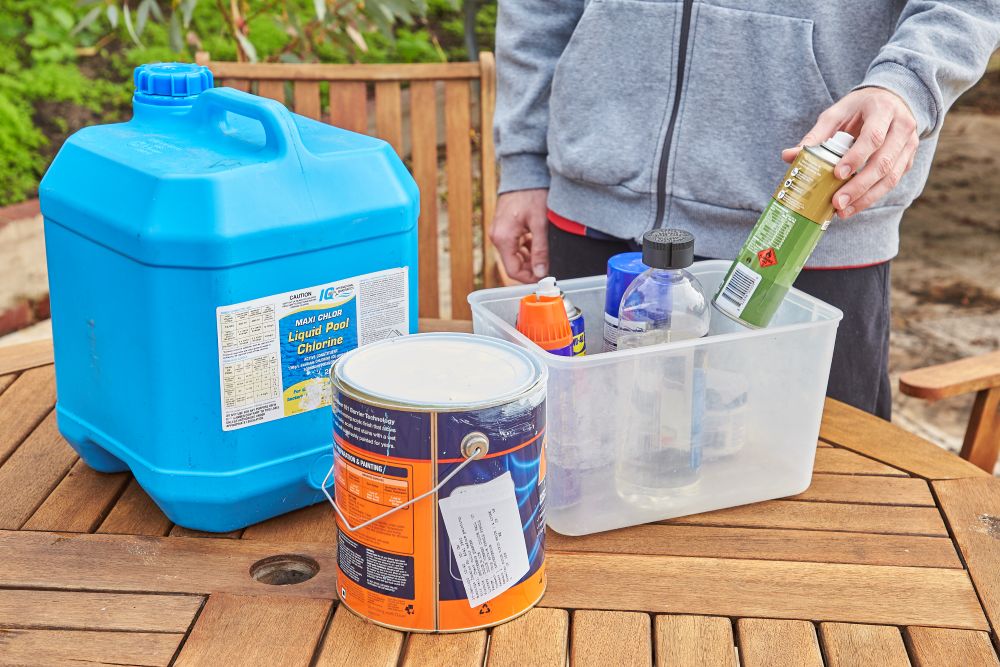
HHW includes products that are corrosive, flammable, explosive, reactive or toxic, and pose serious risks to human health and the environment if not disposed of correctly.
Of the total waste collected:
- 37% was recycled
- 35% recovered for energy
- 19% underwent chemical treatment
- 8% was refurbished or reused
- 1% was destroyed
- Less than 1% ended up in landfill
The most commonly collected items, by weight, included:
- Gas cylinders (propane): 166,022 kg (30%)
- Flammable liquids: 65,857 kg (12%)
- Household batteries: 61,258 kg (11%)
Through a product stewardship partnership with Supagas, 93% of the 5,726 gas cylinders collected were refurbished and returned to market for reuse.
All HHW facilities are also accredited B-Cycle drop-off locations, supporting the National Battery Stewardship Scheme. Batteries remain a key focus due to the fire risks they pose when incorrectly disposed of in household bins.
To raise awareness, WALGA ran a battery disposal campaign from 28 March to 30 June 2025, encouraging residents to use the ‘Find My Nearest’ tool on the WasteSorted website to locate their closest battery drop-off point. The campaign has been extended into 2025–26.
The HHW program plays a vital role in supporting the Waste Avoidance and Resource Recovery Strategy 2030, helping to reduce environmental harm and promote safe, sustainable waste management practices.
Executive Director Circular Economy Adrian Wiley said it was fantastic to see the community continuing to engage with the HHW program, with an additional 45,000 kilograms of hazardous waste safely managed this year compared to the previous year.
“These materials can pose serious risks to people and the environment if not handled properly, so it’s encouraging to see growing awareness and responsible disposal.”
“Batteries remain a key concern. When placed in household bins, they can cause fires in trucks and at recycling facilities. It’s great to see more people using the drop-off points and taking advantage of the free service.”
“This program is a great example of collaboration between WALGA, industry, local governments and the community. We’re proud to see it growing and making a real impact across Western Australia.”
For more information and to read the 2024–25 HHW Annual Report, visit the Waste Authority website Household Hazardous Waste Program | Waste Authority WA.
