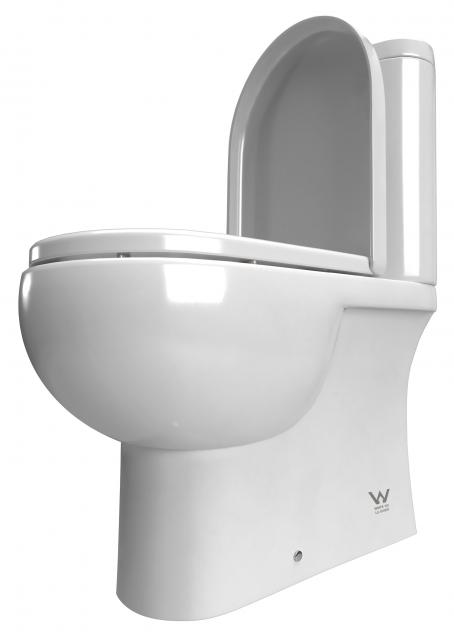
- World Toilet Day, Wednesday 19 November, is a United Nations observance day
- Helpful tips from WA’s plumbing regulator
- By law, only a licensed plumber can carry out regulated plumbing work
Ahead of World Toilet Day (19 November), the Department of Local Government, Industry Regulation and Safety (LGIRS) is sharing important advice to help ensure WA lavatories are safe and efficient.
An official United Nations observance, World Toilet Day recognises the health and environmental benefits of safely managed sanitation services, which nearly half the world’s population lacks.
LGIRS’ Building and Energy division is WA’s plumbing regulator.
Building and Energy Executive Director Daniel Kearney says homeowners should not attempt to install or replace a toilet themselves.
“Water-borne diseases and contamination from wastewater or sewage are among the main reasons plumbing work is regulated,” Mr Kearney said.
“Plumbing work related to sanitation, water supply or drainage must only be carried out by a licensed plumber, apart from certain basic plumbing tasks. For example, homeowners and occupants are allowed to replace a cistern washer or clear a blocked toilet using a plunger.”
Consumers are also reminded not to flush paper towels or wet wipes down the toilet. Only the “3Ps” should be flushed: pee, poo and (toilet) paper.
“Wipes and heavier types of paper can lead to expensive and inconvenient blockages at the home or even cause a gridlock of the wider wastewater system,” Mr Kearney said.
“Due to effective water-saving measures in modern plumbing systems, it’s more important than ever to be careful about what goes down the toilet.”
According to the Water Corporation, a toilet with a constant water trickle can waste around 9,000 litres of water a year, while upgrading from a single-flush to a dual-flush system can save up to 80 litres of water per day.
Toilets and most other plumbing products installed in Australia must be certified through the national WaterMark scheme to show they are fit for purpose and authorised for use.
“Although a licensed plumber will carry out the installation, sometimes homeowners source plumbing components themselves,” Mr Kearney said.
“You can search for certified products at watermark.abcb.gov.au or check if the item is stamped with a WaterMark symbol – a W with an upwards arrow – and a licence number.”
Under recent law changes, plumbing standards now apply to modular installations such as bathroom pods.
World Toilet Day also highlights the importance of access.
Australia’s National Construction Code sets out requirements for the minimum number of male, female and accessible sanitary facilities in different types of buildings. The code’s next edition will increase the number of sanitary facilities for females in certain public buildings to help ease queueing times for women and girls.
<ENDS>
Media contact: BEmedia@lgirs.wa.gov.au
Image: A toilet showing the WaterMark symbol