About
The Early Career Scientist of the Year award recognises an outstanding scientist who is within the first five years of completing their highest degree and who has demonstrated excellence in a field of science, scientific research or technological advancement.
Now in its 25th year, the Premier's Science Awards recognises and celebrates the outstanding scientific research and engagement taking place in Western Australia.
Meet our finalists
In 2026, five finalists have been selected for the Early Career Scientist of the Year category:

Dr Eleanor Dunlop
Curtin University and Deakin University
Dr Eleanor Dunlop is an Accredited Practising Dietitian and Research Fellow at Deakin University, and an Adjunct Research Fellow at Curtin University. Her research focuses on dietary vitamins D and K, food composition, traditional foods and the role of diet in multiple sclerosis. She has produced world-leading and impactful data on dietary vitamin D, new food composition data that underpin nutrition science research, conducted the largest meta-analysis of data on vitamin D status worldwide to date and is collaborating with Western Australian Aboriginal communities to promote traditional foods and connection to Country for health and wellbeing.

Associate Professor Myles Murphy
The University of Notre Dame Australia
Associate Professor Myles Murphy FASMF, is a Raine Medical Research Foundation and NHMRC Funded Research Fellow at the University of Notre Dame Australia. His research focuses on the assessment, management and prevention of lower body musculoskeletal pain and injury. Associate Professor Murphy partners with healthcare providers, industry stakeholders and consumers to improve healthcare outcomes. He is highly awarded, both nationally and internationally. He developed a globally adopted assessment tool for tendon pain, implemented a national injury surveillance platform within the men’s and women’s National Basketball League, and designed an award winning, cost-effective, multi-faceted injury prevention program for the WA Police Force.
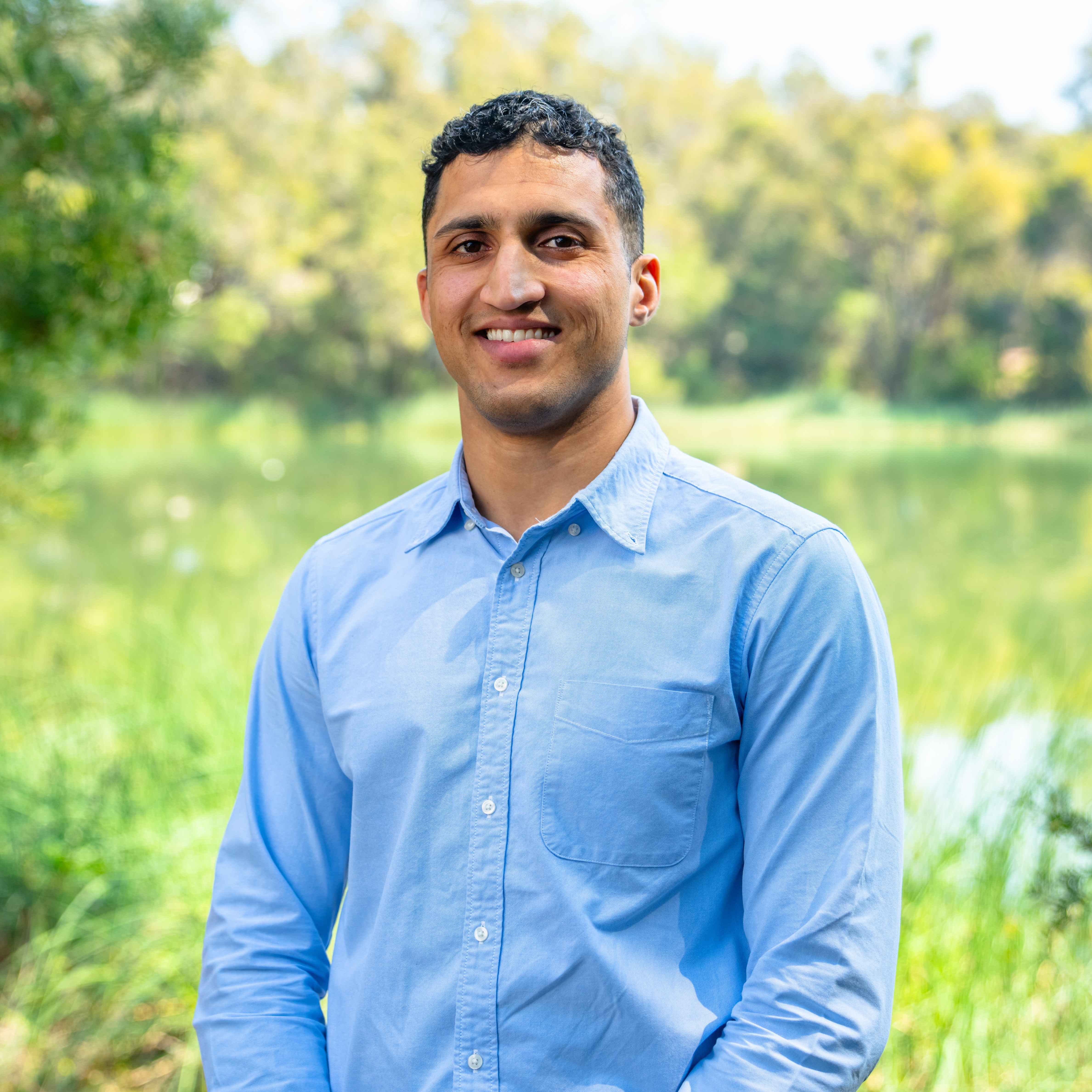
Dr Kiam Padamsey
Edith Cowan University
Dr Kiam Padamsey is an occupational hygienist and epidemiologist at Edith Cowan University. He has pioneered systems to characterise the chemical composition of bushfire smoke and exposure profiles of firefighters working in active fire environments. This research has generated real improvements to the health and safety of firefighters across WA by changing practice, PPE provision, decontamination procedures, and education. Dr Padamsey works closely with WA’s various fire services, informing strategy, policy, and training. Through ongoing collaboration, national leadership, and teaching and supervision of emerging researchers, his research addresses a critical health challenge in one of Australia’s most vital and under-supported workforces.
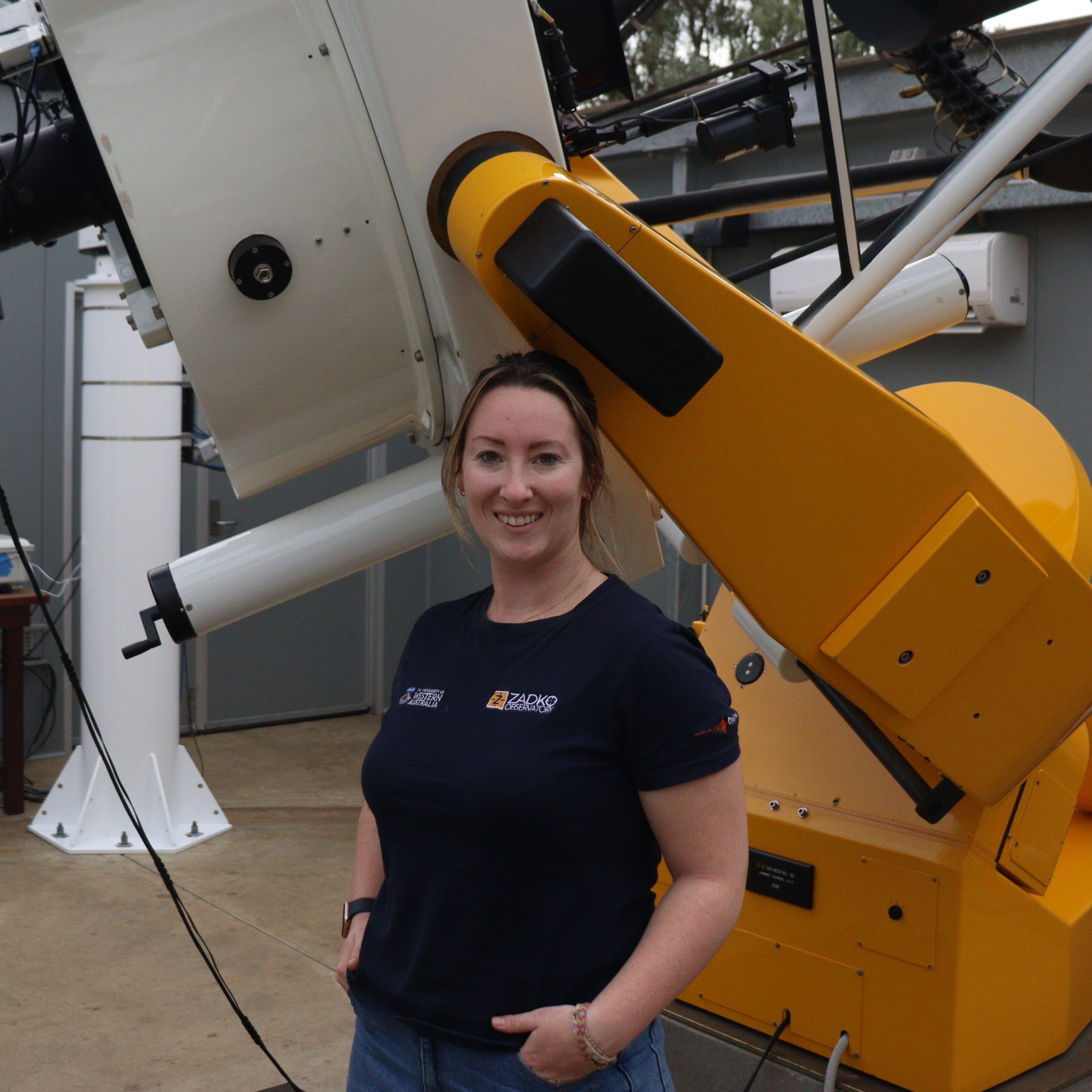
Dr Fiona Panther
The University of Western Australia
Dr Fiona Panther is one of Australia’s outstanding emerging leaders in astrophysics. Her work has been recognized with over 9000 citations, and she has made key contributions to some of the greatest problems in modern astrophysics: revealing the origin of antimatter in our Galaxy, as well as advancements in real-time detection of gravitational waves from colliding black holes and neutron stars. As a Forrest Research Fellow, her work has enhanced Western Australia’s reputation for research excellence in fundamental physics and has been involved in transforming the Zadko Observatory into a space situational awareness hub at the Gingin Gravity Precinct.
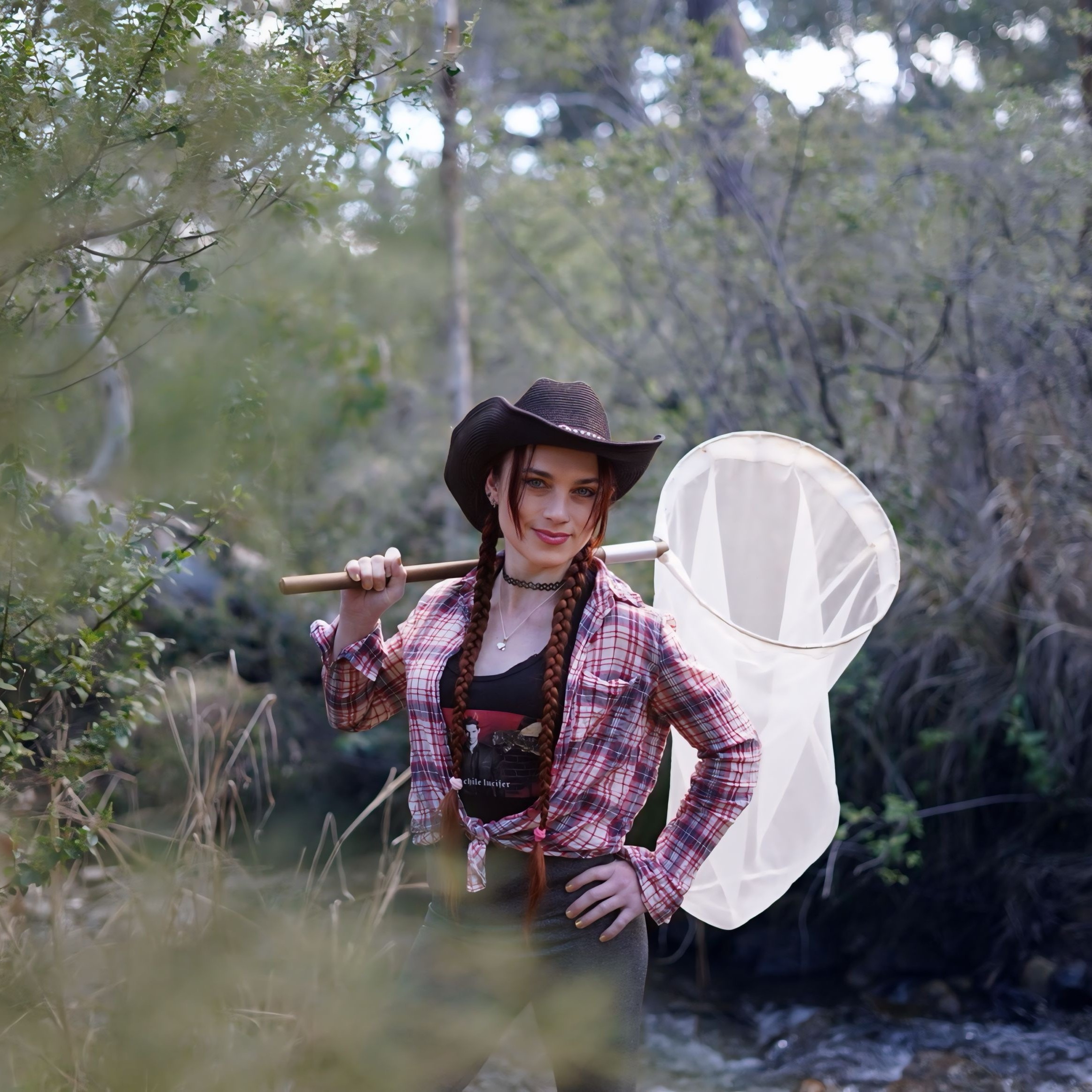
Dr Kit Prendergast
Curtin University
Dr Kit Prendergast, native bee ecologist, is an adjunct researcher at Curtin University. She has demonstrated excellence through 80 peer-reviewed publications and, in recognition of her achievements to science, the community, and the environment, was awarded the Curtin Young Achiever Alumni in 2024. She has delivered impact by providing the first systematic surveys documenting native bee biodiversity across Western Australia and providing the community with evidence-based guidance for boosting pollinators. She has demonstrated leadership and collaboration through leading Australia-wide citizen science projects, contributing to multi-authored papers, and collaborating with international scientists and local community groups. As an ambassador, she uses engaging science communication strategies to educate and inspire through school visits, eco-festivals, performances, and diverse media communications.