About
The Mid-Career Scientist of the Year award recognises an outstanding scientist who completed their highest degree between 5 and 15 years ago, and has demonstrated excellence in a field of science, scientific research or technological advancement.
Now in its 25th year, the Premier's Science Awards recognises and celebrates the outstanding scientific research and engagement taking place in Western Australia.
Meet our finalists
In 2026, five finalists have been chosen for the Mid-Career Scientist of the Year category:
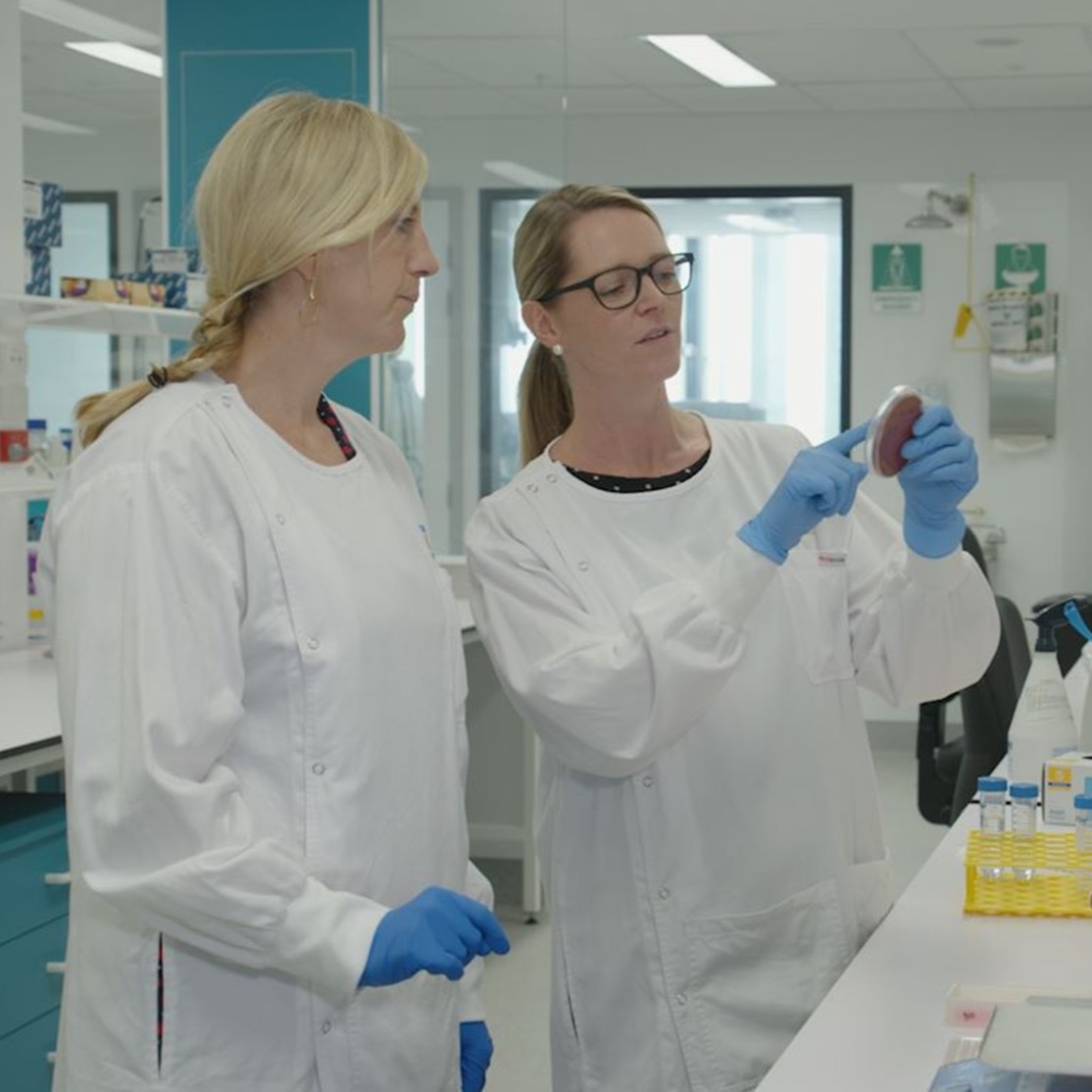
Associate Professor Lea-Ann Kirkham
The Kids Research Institute Australia and Oto Medicines Pty Ltd
Associate Professor Lea-Ann Kirkham is an internationally recognised scientist dedicated to translating breakthrough research into measurable improvements in child health. She leads a multidisciplinary team developing innovative ways to prevent and treat childhood respiratory infections, with her work shaping vaccination policy and clinical practice in Australia and neighbouring countries. Passionate about turning discoveries into real-world health solutions, she is the inventor of Spritz-OM, a novel nasal therapy to prevent childhood ear infections, and Founder and CEO of Oto Medicines Pty Ltd, a spin-out company advancing this Western Australian innovation towards global impact. A recognised leader in translational research, Lea-Ann is committed to strengthening WA's research ecosystem, mentoring the next generation of scientists, and delivering globally relevant advances in child health.
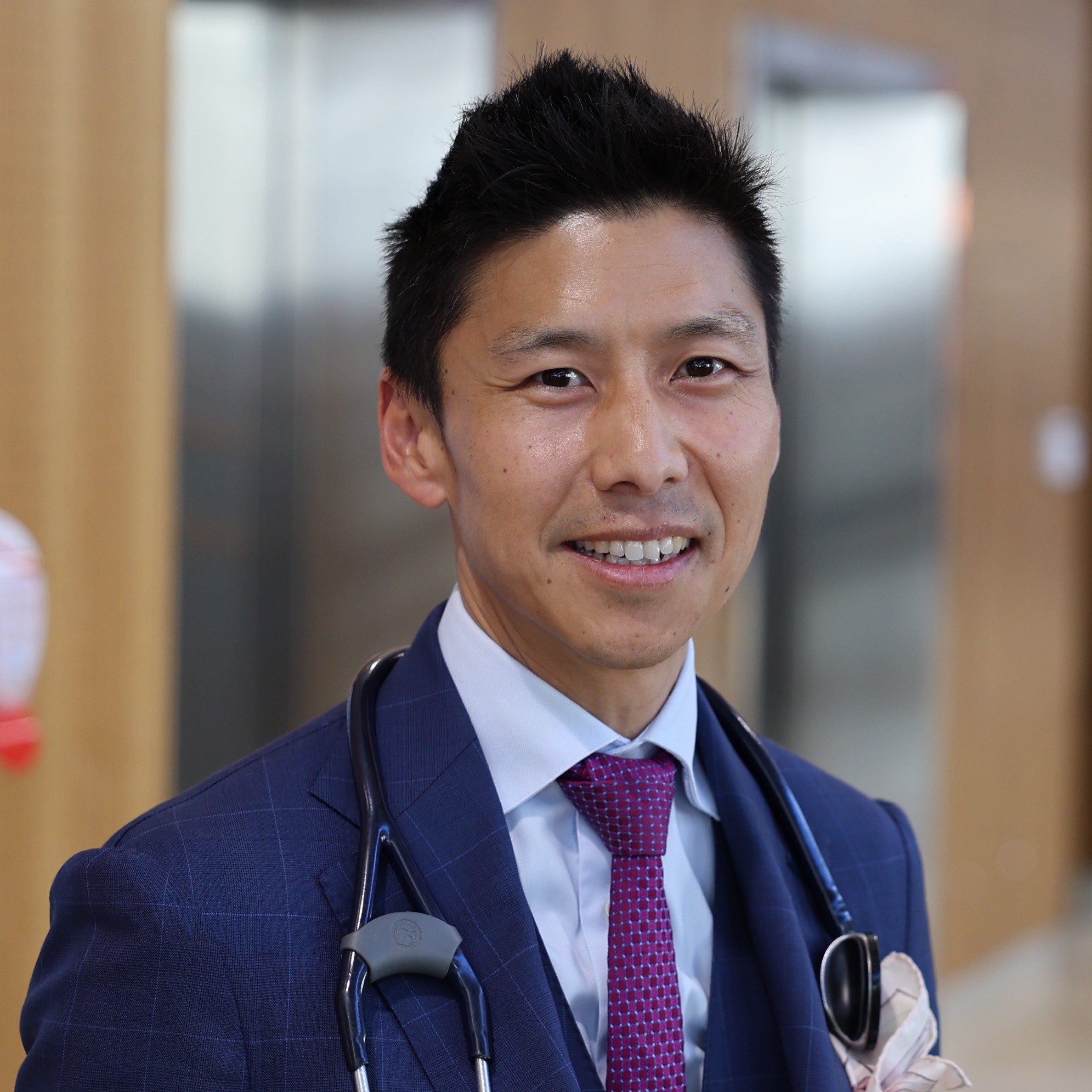
Professor Chan Cheah
Sir Charles Gairdner Hospital
Professor Chan Cheah is a Haematologist at Sir Charles Gairdner Hospital who has improved care for people with lymphoma in WA. His research has transformed practice by enabling access to novel immunotherapies onto the Pharmaceutical Benefits Scheme, making them affordable and accessible to patients with lymphoma across Australia. He has given over 1,000 patients early access to new therapies through clinical trials, helping them live longer and better. As Founder and CEO of Blood Cancer Research WA, he has raised more than $6 million to support research, train specialists, and ensure patients can access the latest treatments closer to home.
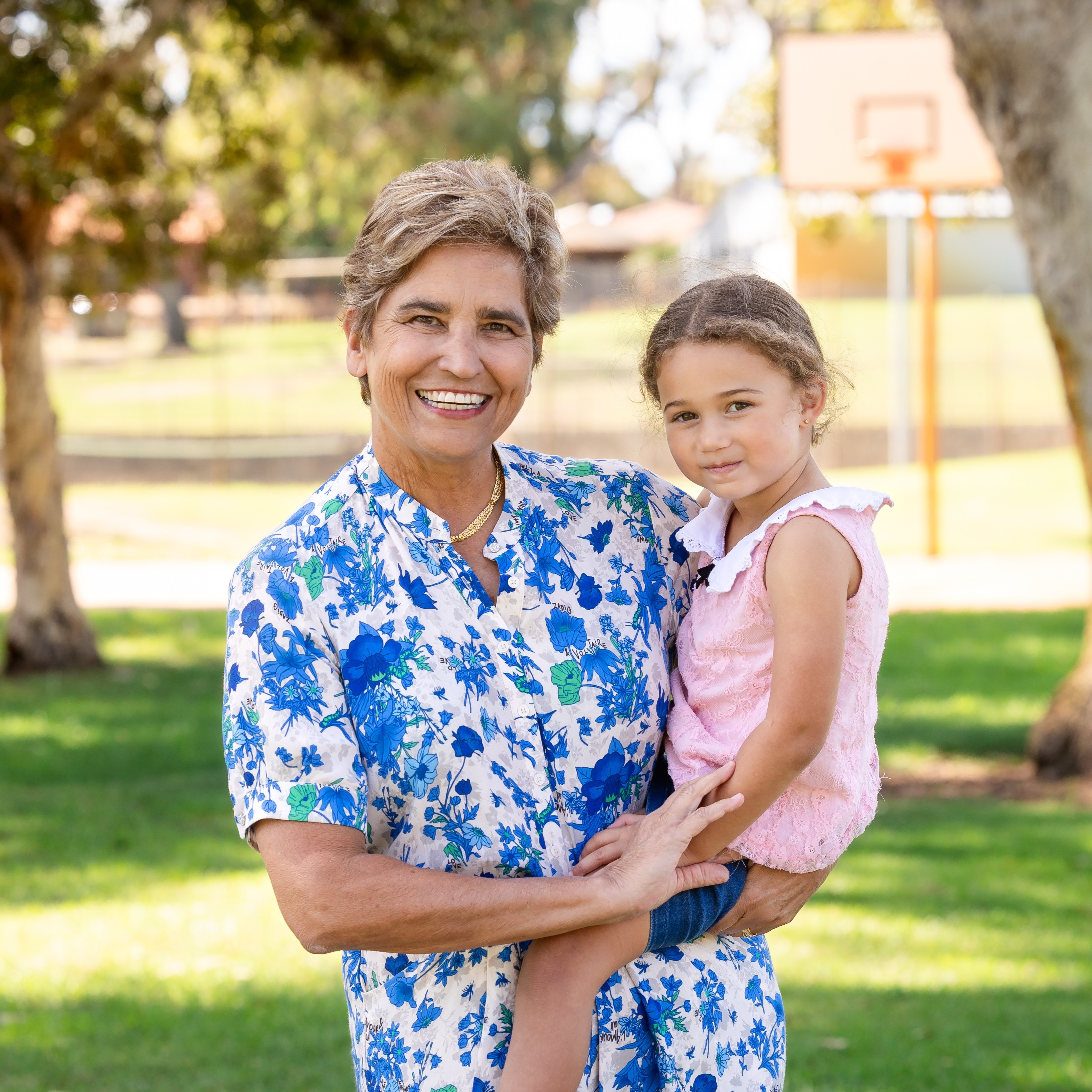
Professor Desiree Silva
The Kids Research Institute Australia
Professor Desiree Silva is an internationally recognised paediatrician-researcher whose work has advanced scientific understanding of early-life determinants of chronic disease. As Co-Director of ORIGINS, Australia’s largest interventional birth cohort of its kind, she established a novel translational research model integrating real-time feedback with longitudinal data (450,000+ samples; 30 million data points). Her work has driven new approaches to prevention, including identifying widespread childhood iron deficiency and enabling early intervention. Her seminal ADHD research, analysing ~50,000 individuals, redefined the condition as a neurodevelopmental disorder shaped by biological and environmental factors, shifting scientific understanding and informing policy, practice, and justice systems globally.
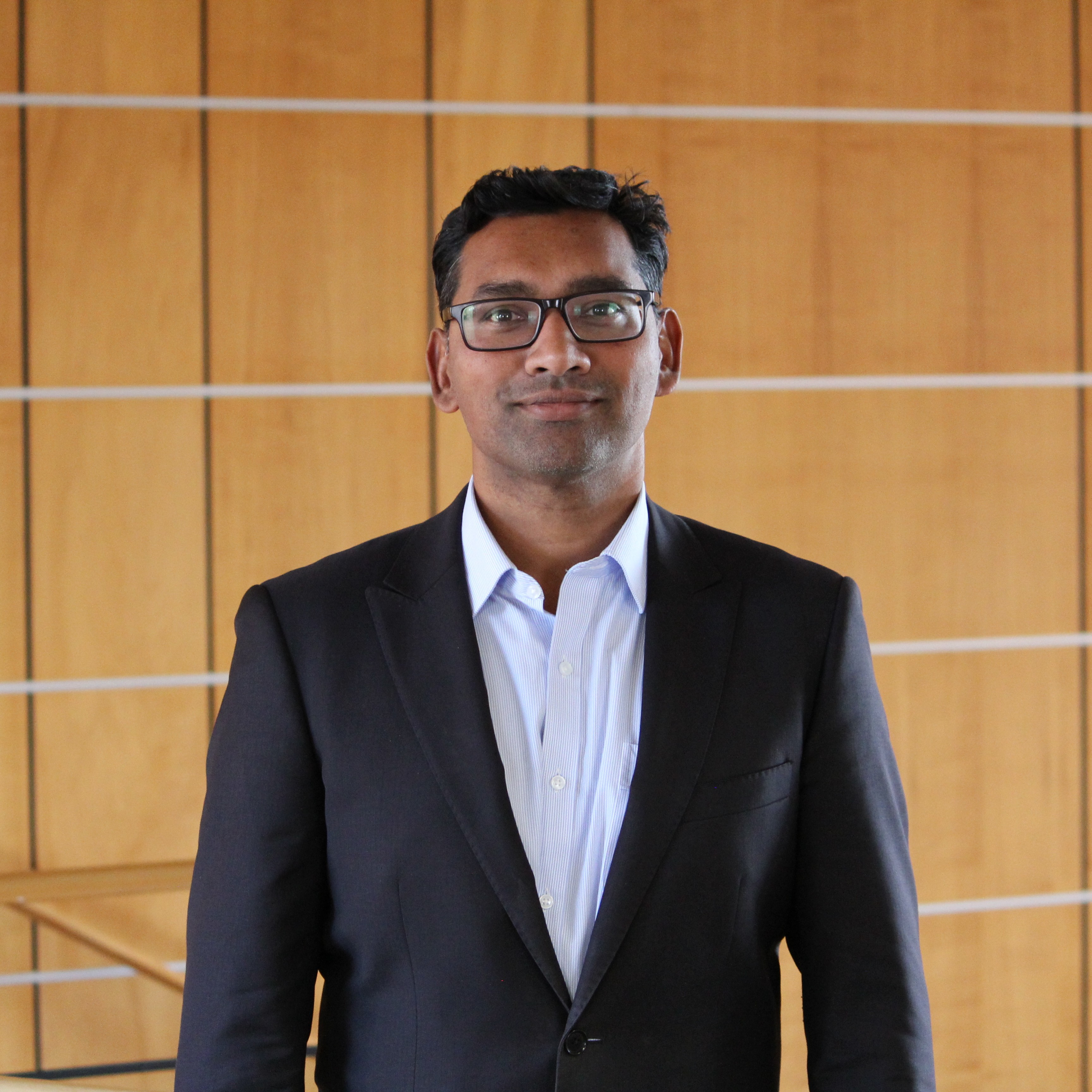
Professor Gavin Pereira
Curtin University
Professor Gavin Pereira is reducing the risk of stillbirth and early childhood mortality and morbidity nationally and globally. He has analysed millions of births and determined risk factors including the gap between pregnancies, the impact of heat stress during pregnancy and in the first years of life, and the impact of air pollution during pregnancy and the first years of life. His research, published in many high impact papers, has led to WHO briefings, changes to national and international guidelines, and adoption of his approach around the world. He is Professor of Epidemiology and Public Health at Curtin University.
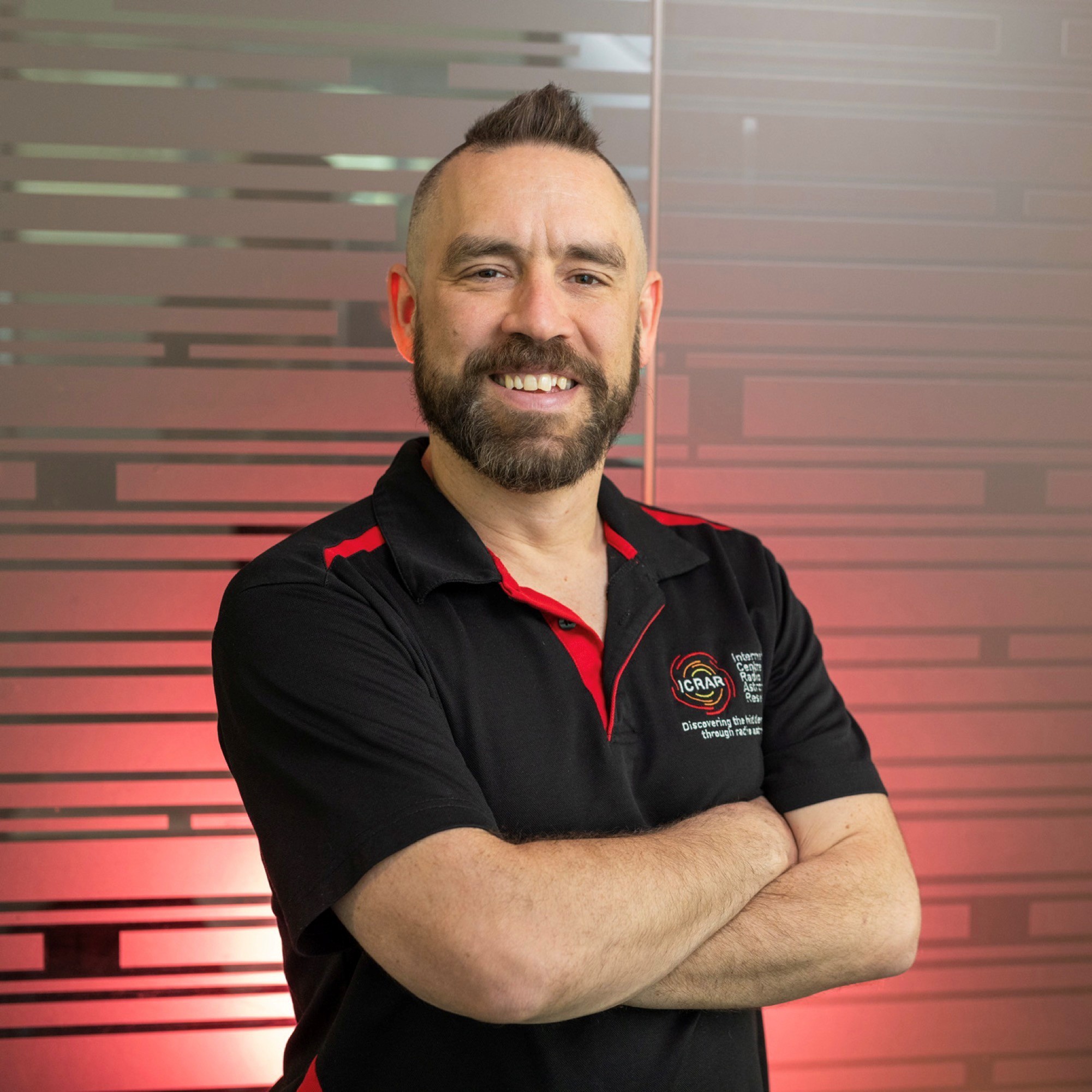
Professor Sascha Schediwy
The University of Western Australia
Professor Sascha Schediwy, at the University of Western Australia, is an internationally recognised research leader working at the frontier of astronomy, space, and national security. Lasers already cut steel, carry the internet, and reshape corneas - but their most precise applications remain locked away. Dr Schediwy has spent his career taking laser timing and communications out of the laboratory, through Earth's turbulent atmosphere and into space. He leads the teams building the TeraNet optical ground station network, the SKA telescope's timing system, and sovereign optical technologies for national security. He is an ARC Industry Fellow and Space Awards Academic of the Year.