About
The Student Scientist of the Year award recognises an outstanding postgraduate student who has demonstrated a commitment to science at an early stage and shows great promise in reaching the highest levels of excellence.
Now in its 25th year, the Premier's Science Awards recognises and celebrates the outstanding scientific research and engagement taking place in Western Australia.
Meet our finalists
In 2026, five finalists have been selected for the Student Scientist of the Year category:
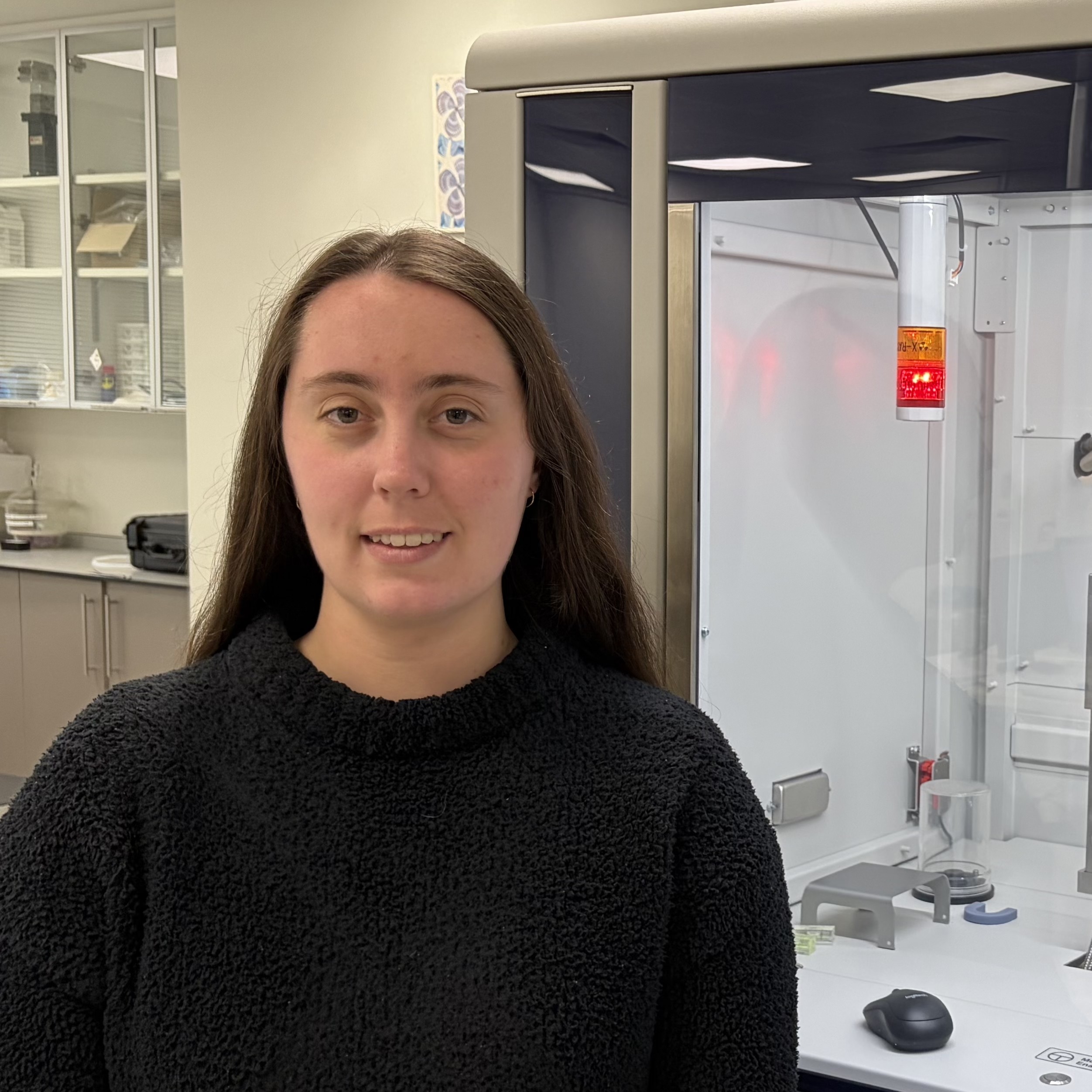
Rebecca Blake
The University of Western Australia
Rebecca Blake, a PhD candidate at The University of Western Australia, is pioneering research into how advanced materials respond to extreme pressure. By uncovering the molecular "blueprints" of underexplored porous frameworks, her work accelerates the design of next-generation materials essential for carbon capture, renewable energy storage, and sustainable catalysis. A multi-award-winning researcher and mentor, Rebecca collaborates with national facilities to solve global environmental challenges. Her findings position Western Australia at the forefront of stimuli-responsive material science, driving innovations that support a decarbonized and technologically advanced future.
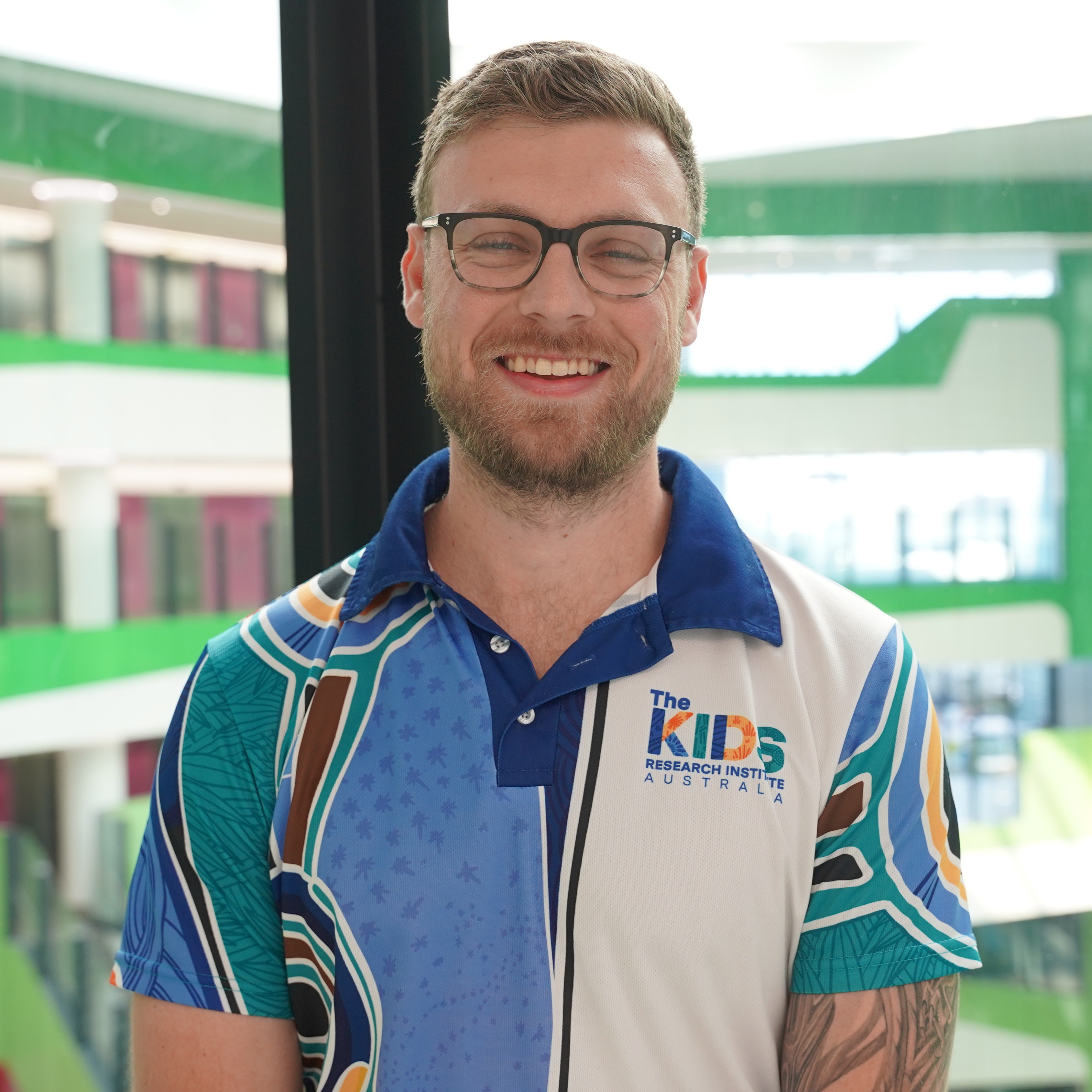
Michael Dymock
The Kids Research Institute Australia
Michael Dymock develops innovative statistical methods that help make clinical research more efficient and impactful. A biostatistician and PhD student conducting research at The Kids Research Institute Australia and The University of Western Australia, he focuses on smarter trial designs that efficiently use resources to help accelerate evidence translation. Michael has led the development of a novel clinical trial approach that can be applied across any health context, strengthening evidence for clinical decision-making. His program of work improves the efficiency of clinical research, driving translation to policy and practice, and achieving meaningful impact, sooner.
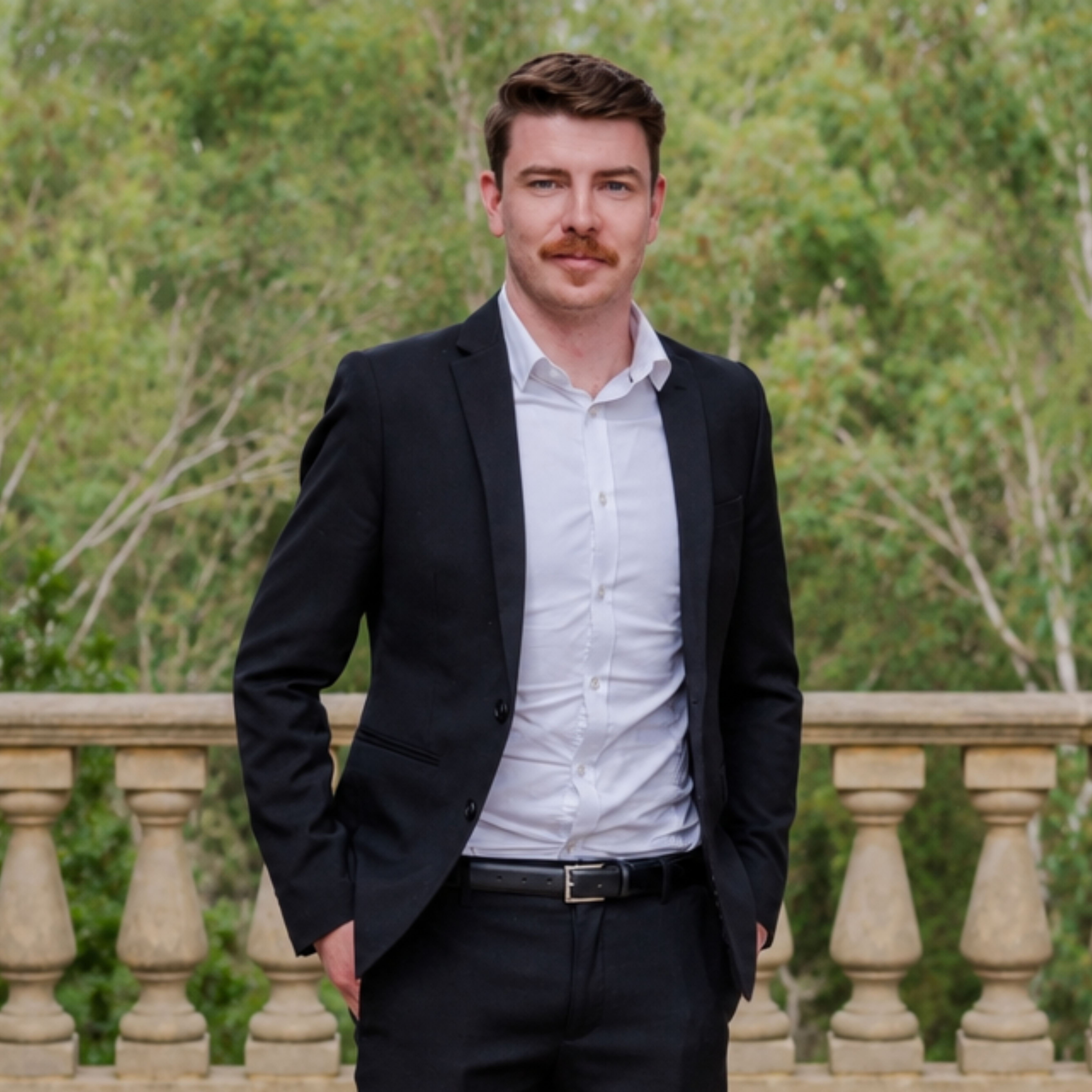
Ayden McCann
International Centre for Radio Astronomy Research, The University of Western Australia (ICRAR-UWA)
When disasters sever communications or drones ground the aircraft sent to fight them, remote communities bear the worst of it. Ayden McCann is a PhD candidate at ICRAR-UWA who has built research to address both: the world’s first vehicle-based laser communications station capable of restoring satellite links within ten minutes of arriving anywhere, and an optical drone detection system now backed by government funding. These contributions have produced Australia’s first high-speed laser links from satellites, attracting defence and industry interest internationally.
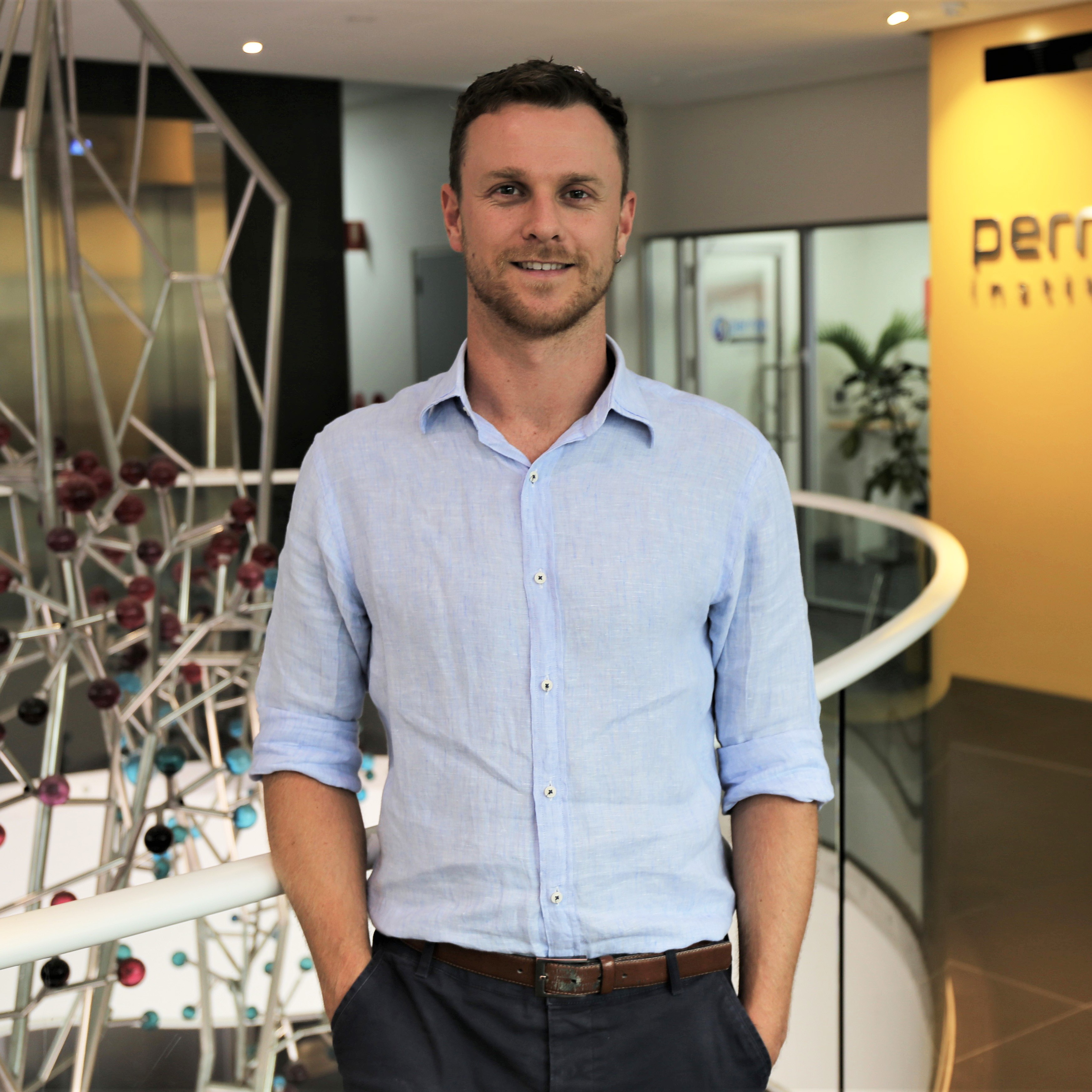
Bradley Roberts
The University of Western Australia and Perron Institute for Neurological and Translational Science
Bradley Roberts is a PhD candidate at the Perron Institute and The University of Western Australia. His research is at the forefront of improving antidepressant prescribing for young people with depression, helping shift mental healthcare beyond trial-and-error prescribing towards more personalised, evidence-based treatment. Bradley has led some of the first youth-focused pharmacogenetic research in Australia, attracting major funding, and international collaborations, while supporting the translation of precision medicine into Western Australian clinical practice through partnerships with local industry and healthcare providers. Bradley also serves as a Board Director of Kai-Fella, championing change for youth mental health in the WA community.
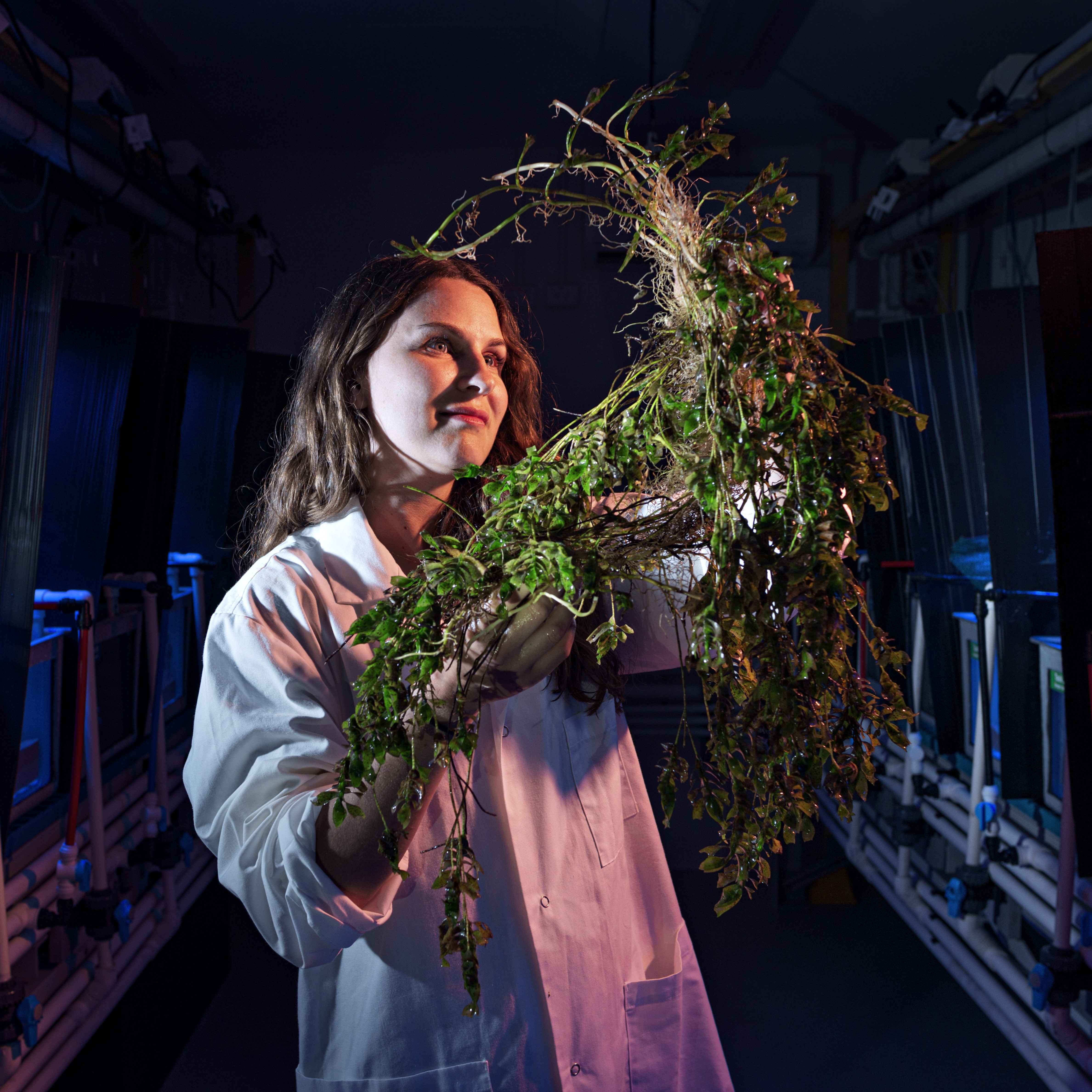
Nicole Said
Edith Cowan University
Nicole Said is a PhD candidate at Edith Cowan University, whose work is advancing how Western Australia protects its globally significant seagrass ecosystems from climate change. She has produced the world’s largest dataset on temperature responses across around 30% of Australia’s seagrass species, spanning temperate to tropical waters – data applied by government during the 2025 marine heatwave. This work provides a novel and robust predictive framework for assessing seagrass vulnerability to marine heatwaves and informing climate-adaptive restoration strategies. Nicole co-founded the ‘Seagrass Heatwave Collective’, a state-wide initiative connecting researchers, government, industry, community, and First Nations partners to coordinate marine heatwave responses.