


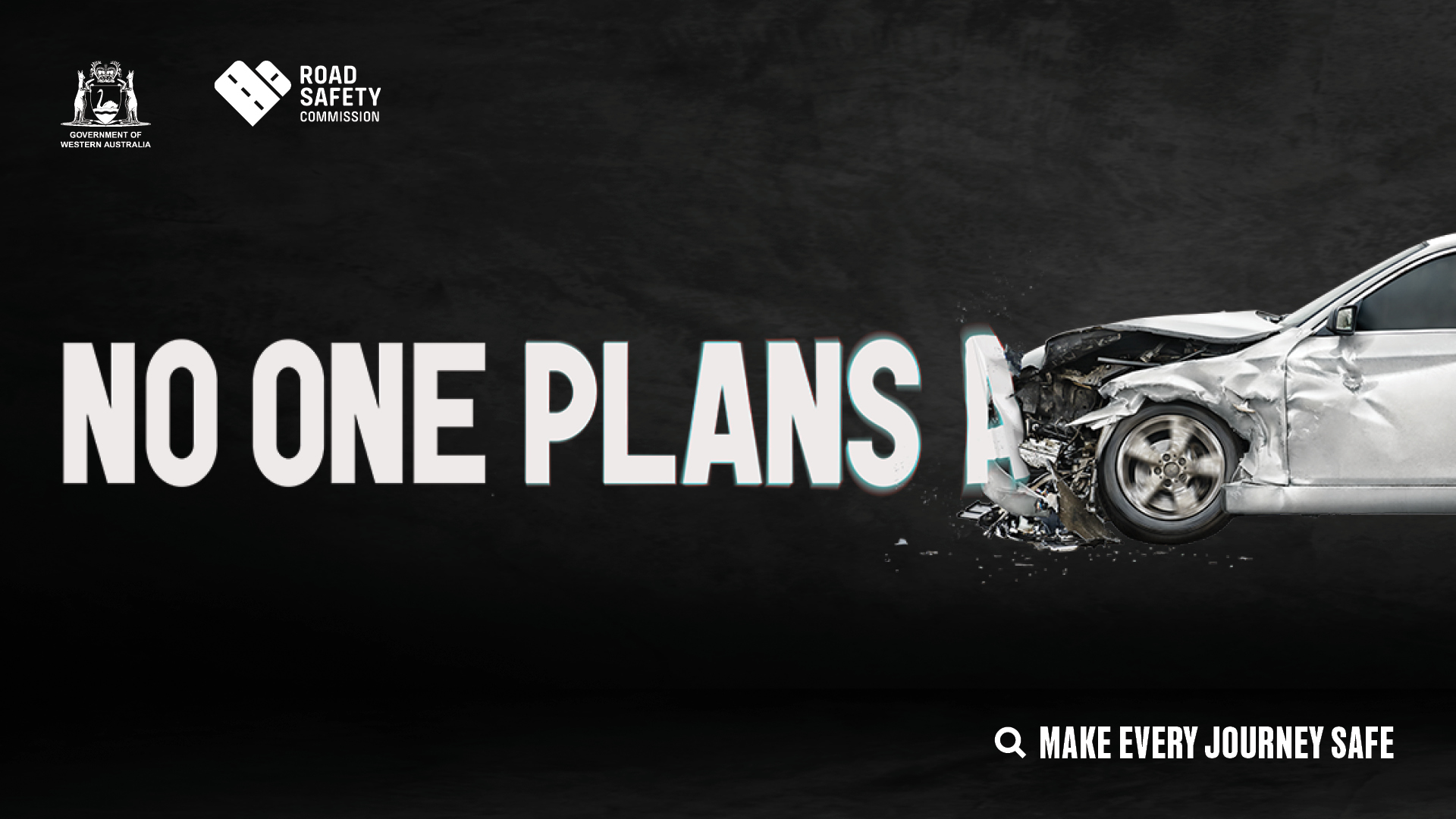
We plan to be at work in time for a meeting.
We plan to go to a party.
We plan a leisurely weekend motorcycle ride.
But we don’t plan to crash.
No one plans to kill or seriously injure themselves or someone else when they leave the house. The fact is, however, if we don't consciously plan a safe journey, we may as well be planning an unsafe one.
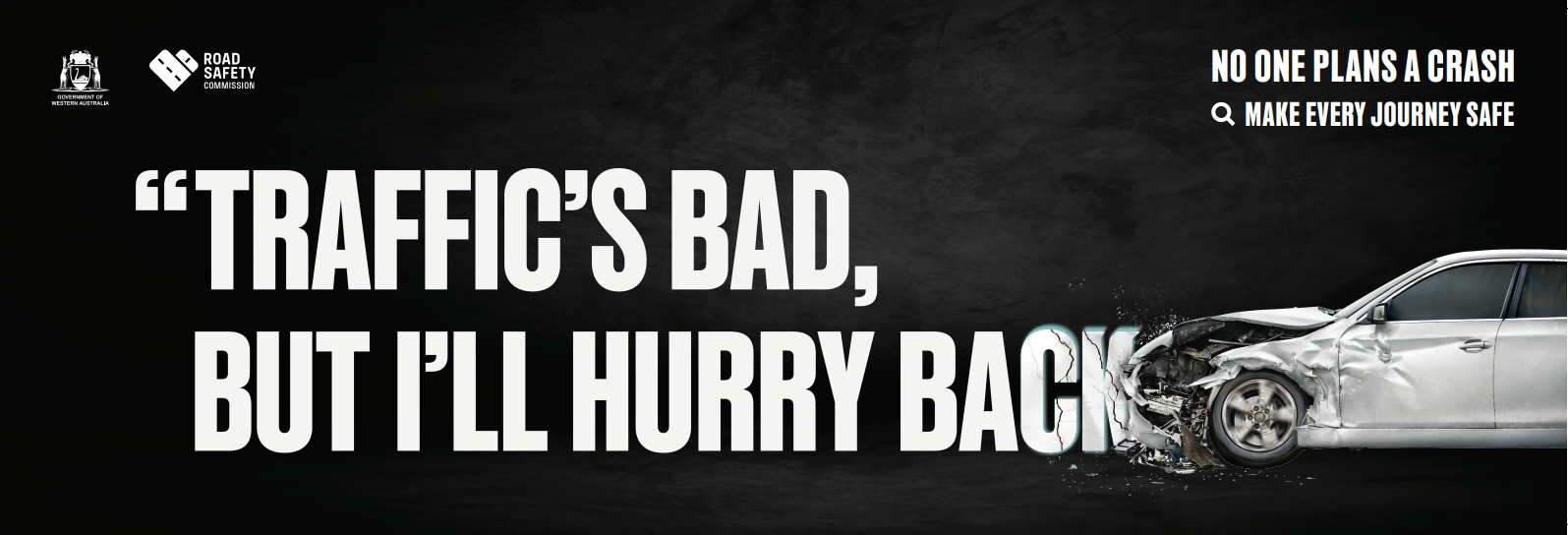
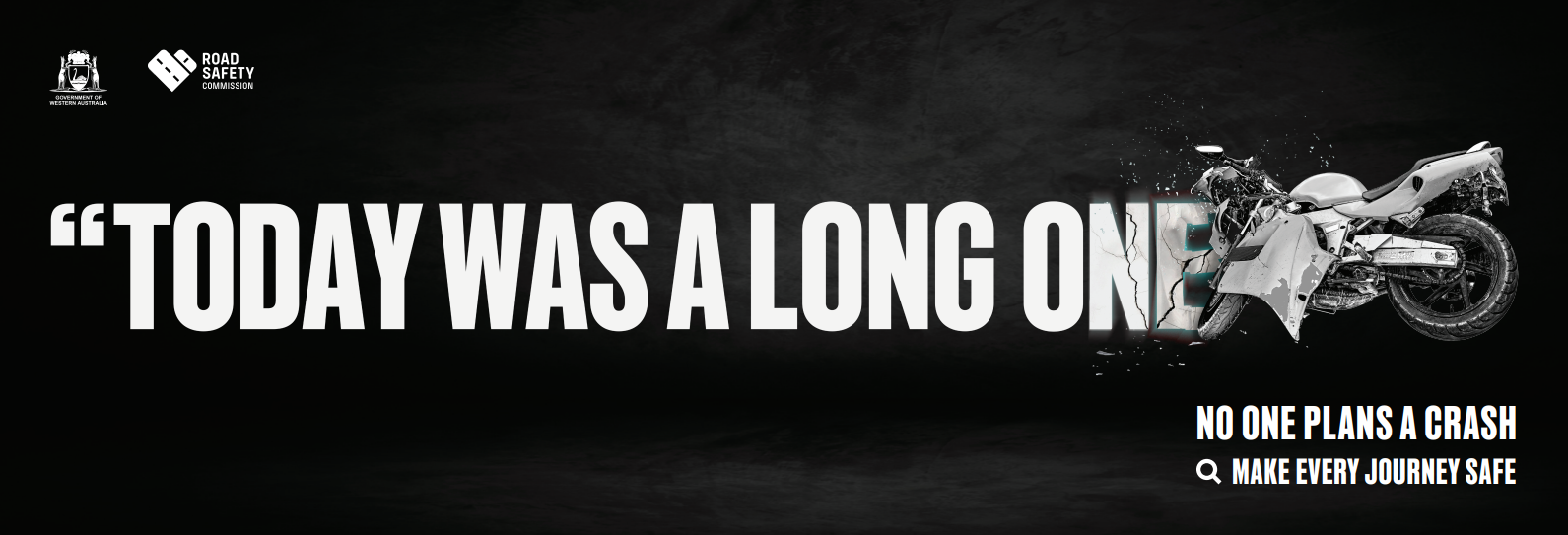
This extension of the ‘No one plans a crash’ (NOPAC) campaign follows young adults and motorcyclists. The target audience spans two important cohorts who are overrepresented in deaths and serious injuries on our roads and need to be reminded to make every journey a safe one.
The six scenarios highlight a number of everyday tragedies, each of which could have been avoided or had a lower impact if people had made better ‘one-off’ choices.

Campaign objectives
NOPAC’s core objective is to have all road users understand that catastrophic crashes can easily happen to anyone, every day – even to those who consider themselves safe, law-abiding road users. It asks viewers to consider ‘what can I do to help make every journey safe?’.
Zero deaths and serious injuries on WA roads is achievable, one journey at a time.
To learn more about safe journeys and what you can do, visit our page Make every journey safe.
Media channel and creatives
NOPAC utilises a multi-media approach across television, catch-up/connected & streaming TV radio, cinema, digital, social media and out-of-home advertising.
TV/Catch-up, Connected and Streaming TV.
Goolarri Media version TVC
In an effort to provide road safety messaging in a culturally sensitive and acceptable format, we approached Goolarri Media Enterprises, which is located in Broome, to write, produce and schedule a version of ‘No one plans a crash’ that was appropriate to the Aboriginal people in the north-west of WA.
Radio (State-wide)
Social and Digital
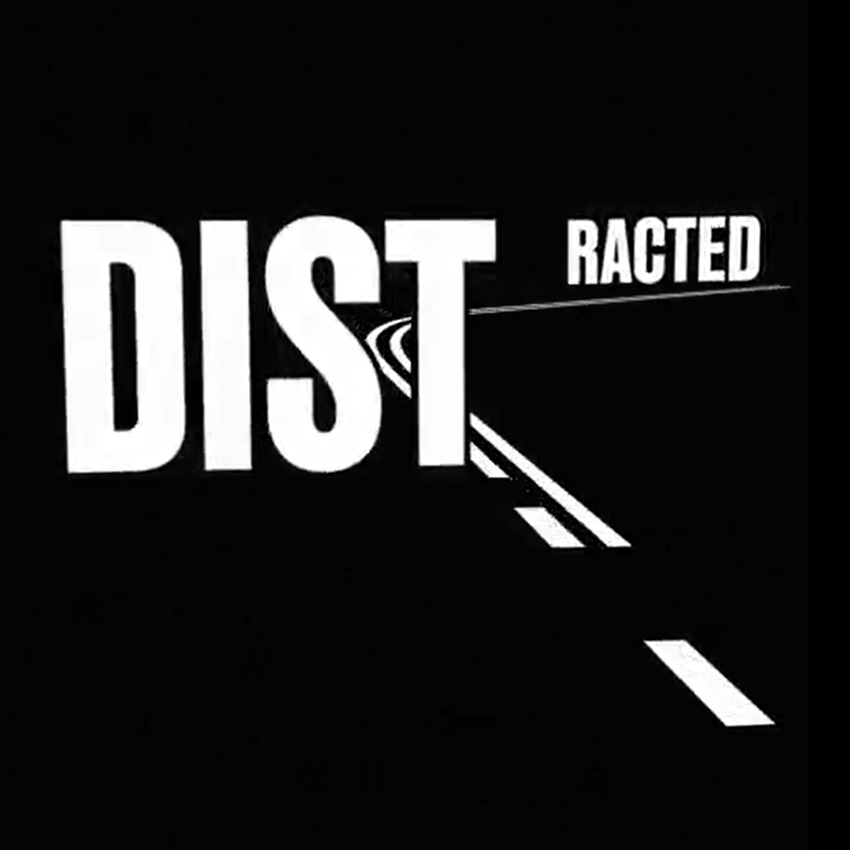

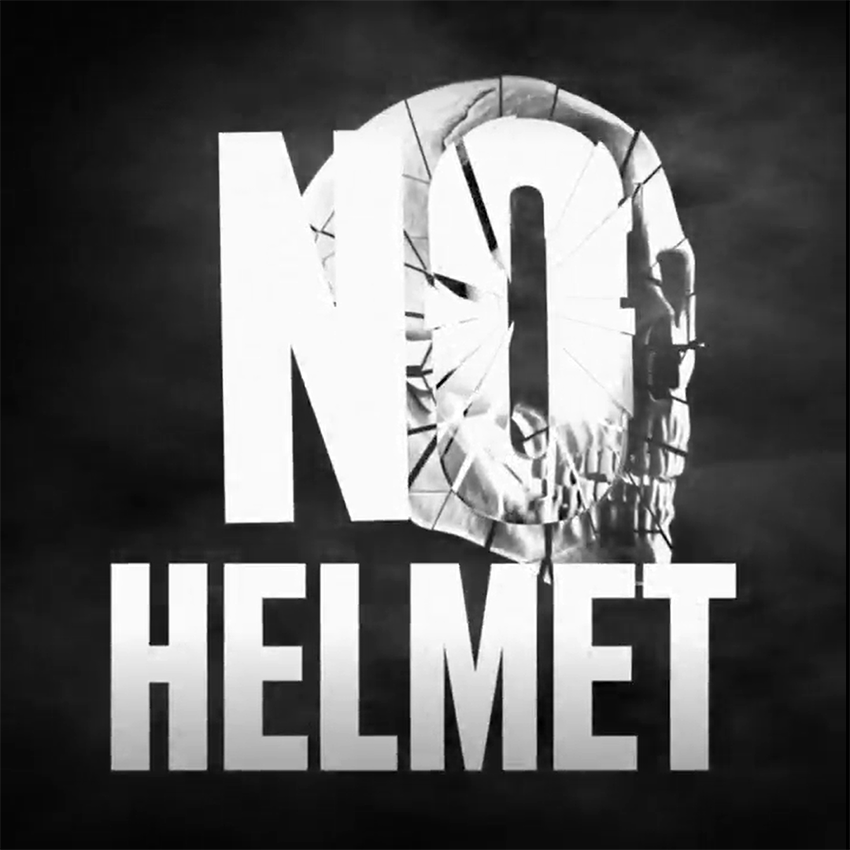

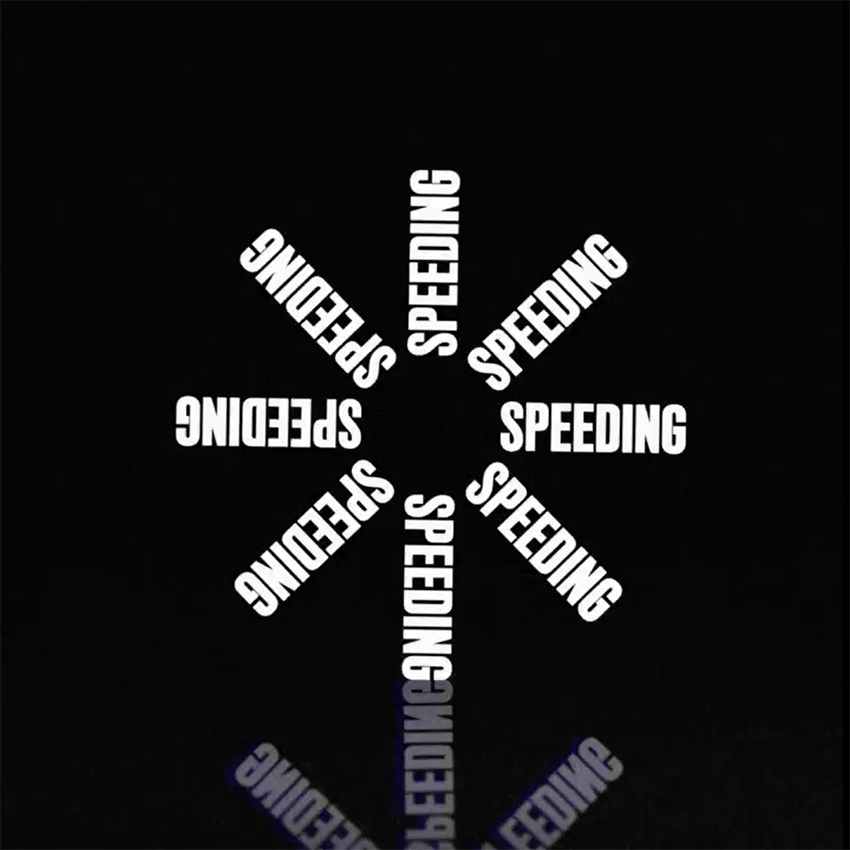
A3 Posters
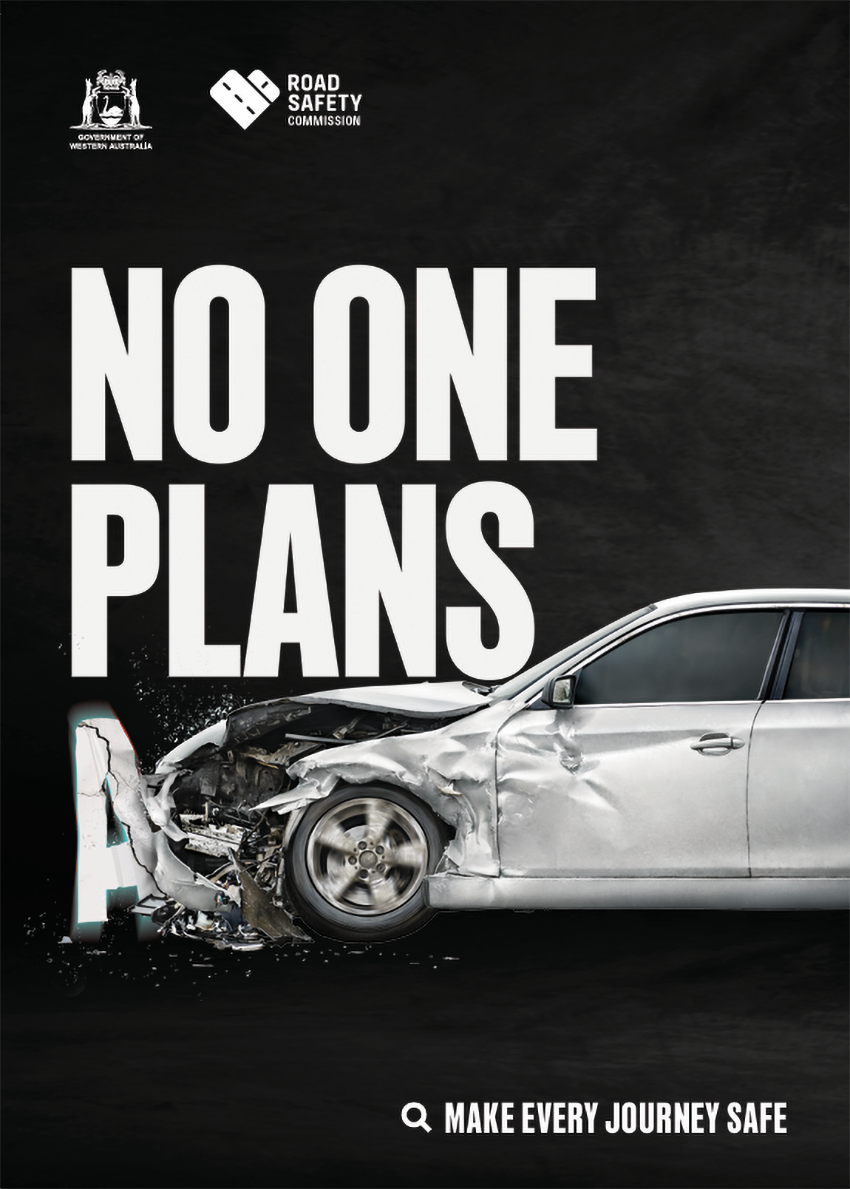

A1 Posters
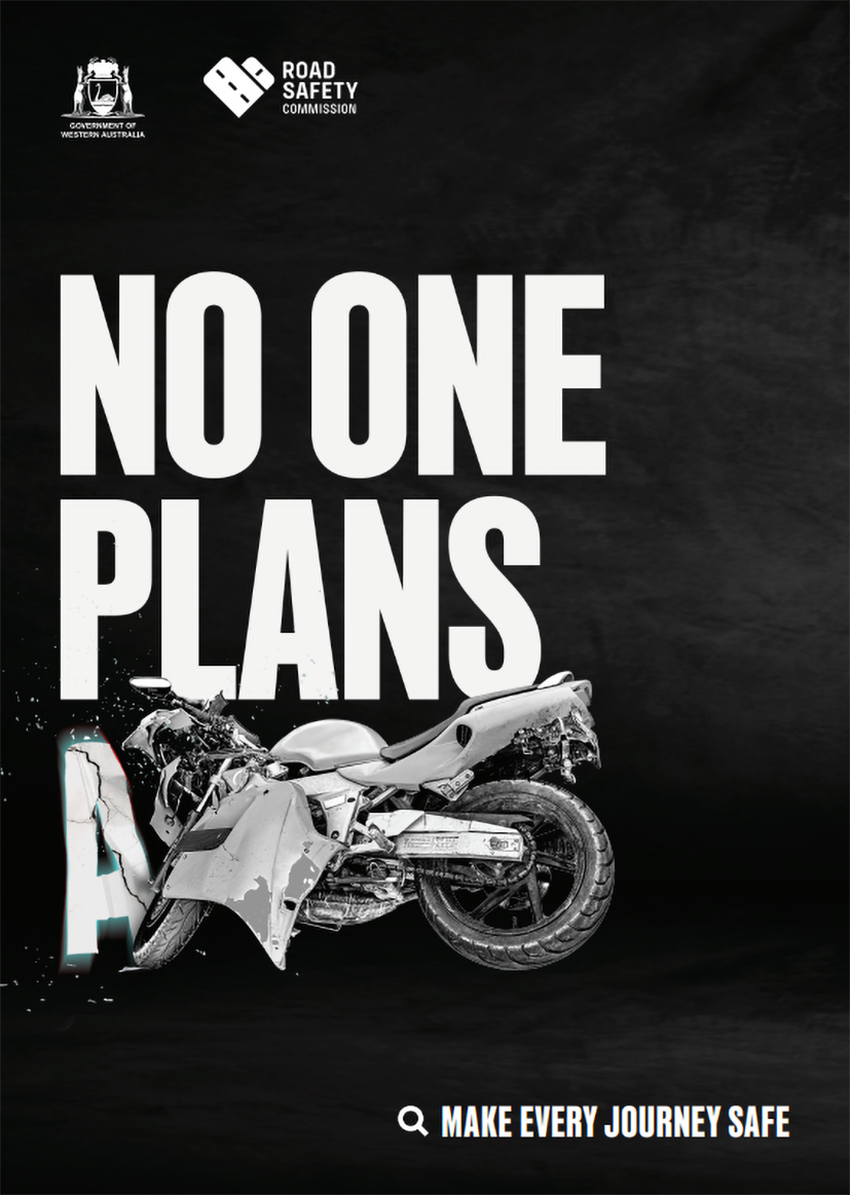

3x1 Banners
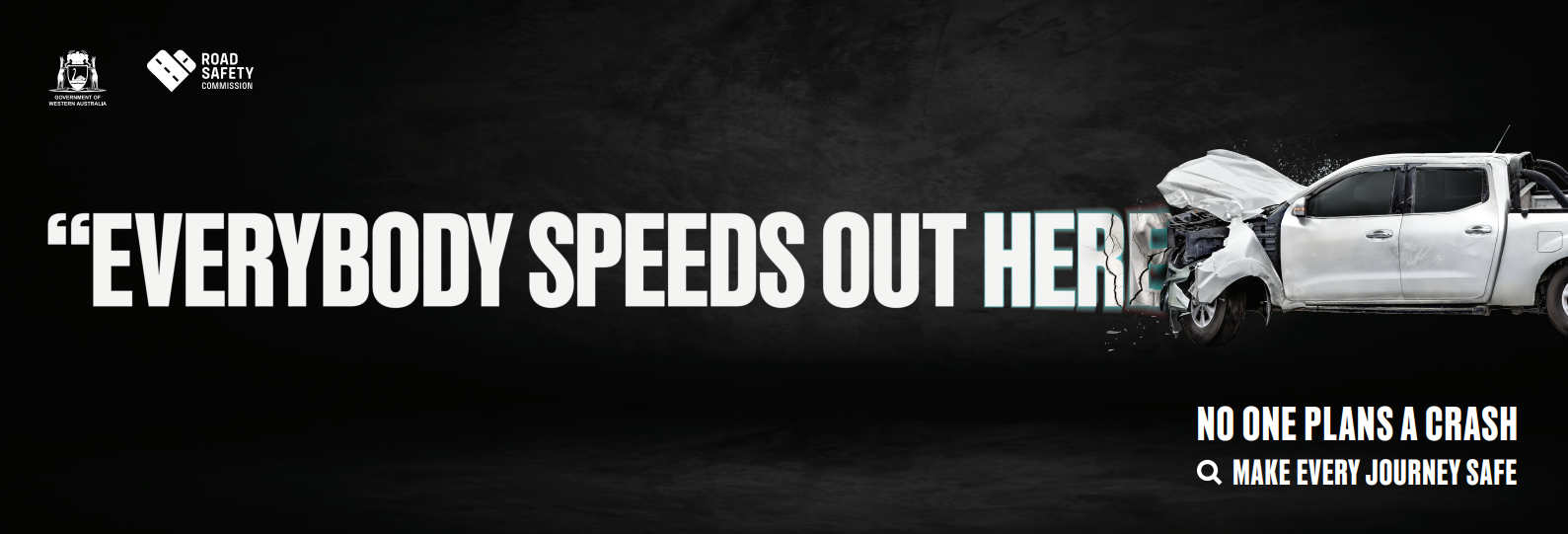
Background
188 people died on WA roads in 2024 and around 1,700 people are seriously injured each year.
Every one of these people was someone’s loved one – a parent, a child, a sibling, a friend.
Not one of these crashes was planned.
The majority of road crashes are not caused by illegal activity. If we drive consciously – by being alert, planning to leave on time, interacting with other road users courteously and respectfully – the number of crashes can be reduced.
Evidence which informed the campaign
The development of NOPAC was informed by numerous research and evidence-based resources, including:
- No one plans a crash 2023 - deep dive qualitative focus groups, evaluations, conducted by Painted Dog Research
- No one plans a crash 2023 and 2024 – campaign tracking evaluation conducted by Painted Dog.
- WA Driver Attitudes & Behaviours Segmentation study 2022, Kantar Public
- Community Attitude Monitor November 2024, Verian Research
- Citizen Engagement study, August 2021, Kantar Public
- Message Resonance Testing, June 2020, Painted Dog Research
- Multiple previous campaign evaluations/learnings, Painted Dog Research
- Driving Change, Road Safety Strategy for Western Australia 2020 2030
- Crash stats - WA Road Fatalities and Serious Injuries 2018-2023, Road Safety Commission
Support for people impacted by road trauma
Anyone in WA who has been affected by a road crash can contact Road Trauma Support WA on 1300 004 814 for free information, support and counselling. This service is proudly supported by Road Safety Commission funding.
