


The report by the Office of the Inspector of Custodial Services (OICS) contained 14 recommendations, of which the Department supported, or supported-in-principle, seven, did not support two and noted five others.
Corrective Services Commissioner Michael Reynolds said Boronia continues to set new standards in custodial services and preparing prisoners’ reintegration back into the community.
“Over the past two years, the facility has expanded the rehabilitation and training programs available to residents, particularly for Aboriginal women in its care,” Commissioner Reynolds said.
These include: a Prison to Work Program in partnership with the Commonwealth National Indigenous Australians Agency (NIAA); the National Empowerment Program (NEP) in conjunction with the Langford Aboriginal Association; and the Noongar Boodjar Language in Custody Program as part of the Department of Justice’s three-year partnership with the Noongar Boodjar Aboriginal Corporation.
“Boronia has adopted a forward-looking model of imprisonment that recognises the diverse needs of women in prison,” Commissioner Reynolds said.
“The Boronia model provides an opportunity to maximise each woman's potential to positively, confidently and safely reintegrate with their families and communities following release.
“Boronia is a unique facility that thrives on community engagement and reintegration services, and models those services to align with how they are delivered in the community.”
Boronia holds up to 93 minimum-security women in ‘households’ where they are responsible for their own cooking, cleaning, budgeting and buying groceries at the Centre supermarket.
Children up to the age of four years can reside with their mothers, and children up to the age of 12 years are able to participate in overnight or extended day visits.
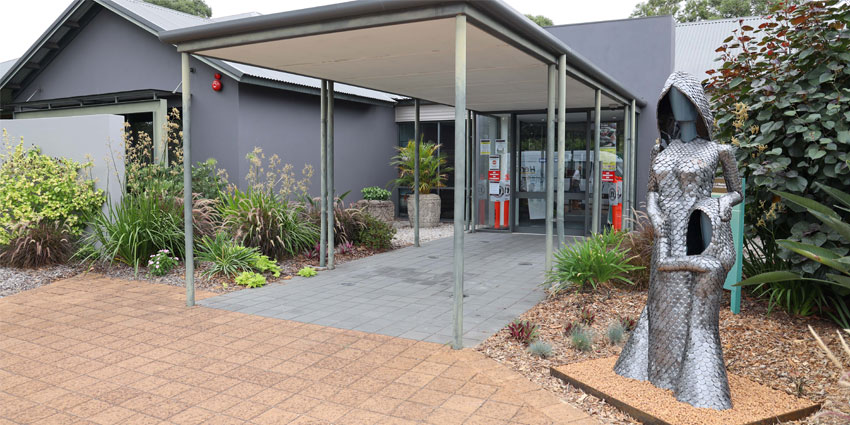
OICS was supportive of Boronia’s style of perimeter fence and its “unobtrusiveness” given the pre-release centre needs to blend in with its suburban Bentley neighbours.
Despite the recent escape of three prisoners, the report does not raise concerns about the ability of prisoners to abscond, but rather the very rare occasions unauthorised people have entered the facility, albeit mostly by accident.
The Department maintains Boronia’s security detection systems are fit for purpose. The fence incorporates cameras, lights and microphonics which are monitored around the clock by staff in a control room on-site.
All perimeter cameras and fence alarms activated as required during the incident on 3 February 2022.
Boronia is also a working prison where every woman is required to engage in on-site or off-site employment activities and/or study.
As part of the study program, women are enrolled in traineeships in areas such as hospitality, horticulture, retail operations, laundry certification and construction.
Academic studies range from certificate level to tertiary qualifications.
 Print this page
