


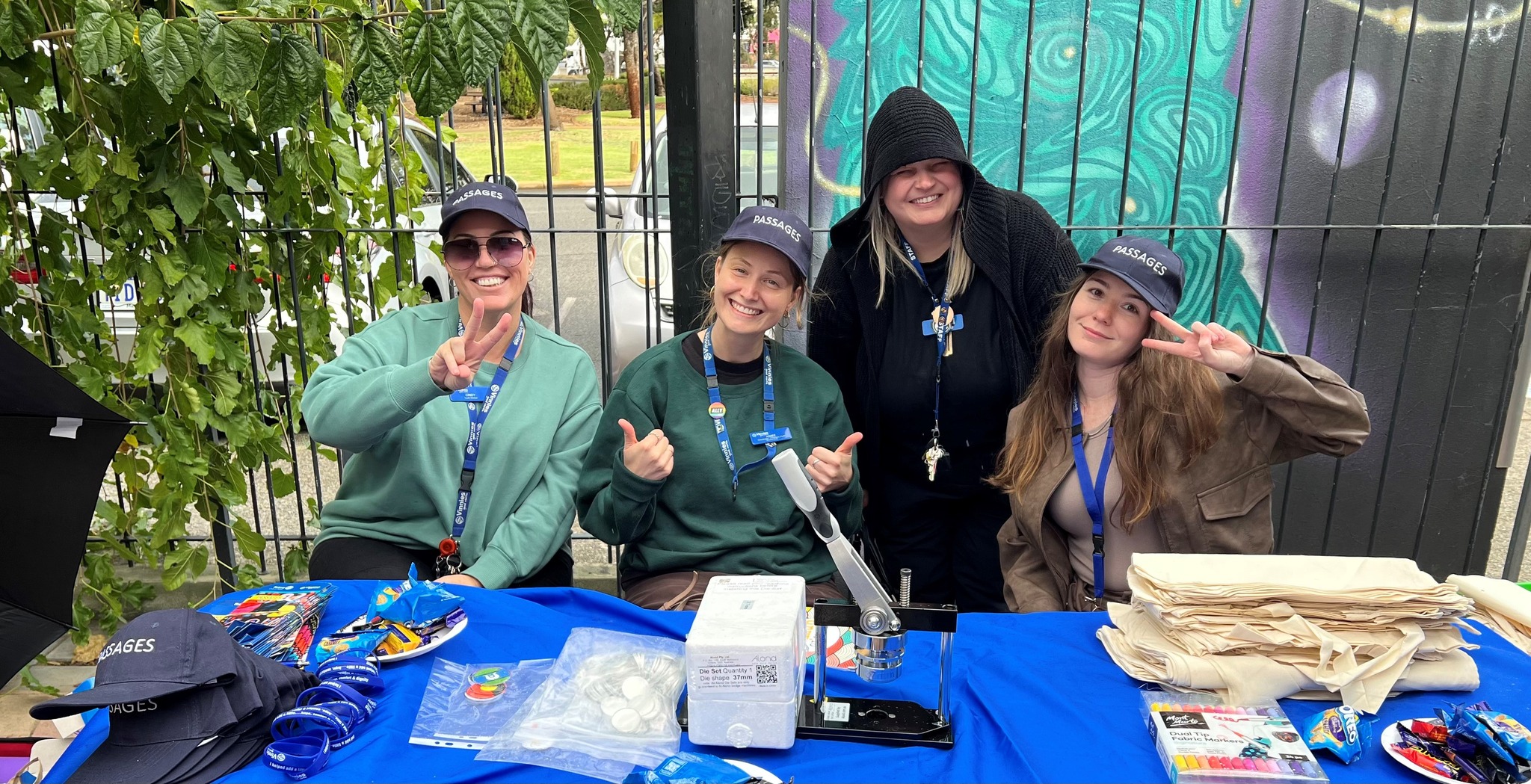
In recognition of Youth Homelessness Matters Day, the Department of Communities (Communities) reflects on the importance of continued cross-sector efforts to support young people experiencing and at risk of homelessness.
Data shows that the number of young people experiencing homelessness is growing in Western Australia (WA)– a concerning reality the Department of Communities (Communities) continues to actively respond to and address as part of our All-Paths Lead to a Home: 10-year Strategy on Homelessness 2020-2030.
In 2025-26, the State Government provided a further $4.8 million to continue operating the Perth Passages Youth Engagement Hub as a safe space for young people at risk, $3.4 million over four years to deliver the new Teenagers in need of Crisis Accommodation (TINOCA II), and $2.4 million to Ruby’s, a new diversionary youth homelessness pilot supporting 12–17-year-olds.
Communities is proud to partner with community service providers to deliver these services as well as additional services including the Djinda Youth Futures and Ngatti House accommodations.
This year we shine the light on the Youth Rough Sleepers Coordination Group (YRSCG) – a cross-sector initiative bringing together government agencies and frontline service providers to discuss and plan for vulnerable young people from a holistic point of view – addressing accommodation, support needs, emerging risks and service gaps.
“The YRSCG is both unique and essential because it fosters meaningful inter-agency collaboration,” Executive Director Office of Homelessness Gayle Mitchell said.
“Given our multi -sector approach to addressing youth homelessness, this collaboration is critical to delivering responsive, coordinated and wrap-around support to young people.
“Providing meaningful support demands more than accommodation, it requires a commitment to person-centred care and a strong focus on preventing long term homelessness.”
A strong area of focus for the YRSCG is advocating and strategizing for demographics who it observes face more barriers to accessing accommodation and support, including younger cohorts (people aged 15 to 16), young pregnant women and young families.
An encouraging example of the group’s impact was recently shown through the case of a young couple who were experiencing homelessness while expecting their first child.
Both young people had lived experience of family and domestic violence, trauma, exposure to alcohol and other drug misuse, and ongoing mental health challenges.
“The couple identified their goal was to provide secure housing and a safe environment for their child, but because of the complexity of their lived experiences they had difficulty navigating community services and resorted to unsafe and volatile environments,” Homelessness Coordinator Emma White said.
The case was brought to the YRSCG where it was prioritised and discussed over several consecutive weeks, approached by multi-agency and multidisciplinary collaboration including shared problem-solving and coordinated advocacy.
“The absence of safe and stable accommodation at the birth of the child placed the family at devastating risk of the child entering care upon discharge – but through the collaborative efforts of the YRSCG, the family was urgently connected with temporary accommodation and left hospital together with their newborn,” Emma said.
“Through the continued commitment of the Group, the family was soon offered long-term accommodation through the Indigo Junction Family Program, providing them with a secure home and the opportunity to focus on parenting, wellbeing and their futures.
“This case highlights the incredible strength of multi-sector and multidisciplinary collaboration – this approach allows for persistence through complexity, and here played a critical role in keeping a family together at a pivotal moment in their lives.”
Young people are the future of Western Australia, and Communities acknowledges the importance of not only ensuring their safety, wellbeing and empowerment, but also of addressing the underlying causes of youth homelessness and risk.
 Print this page
