


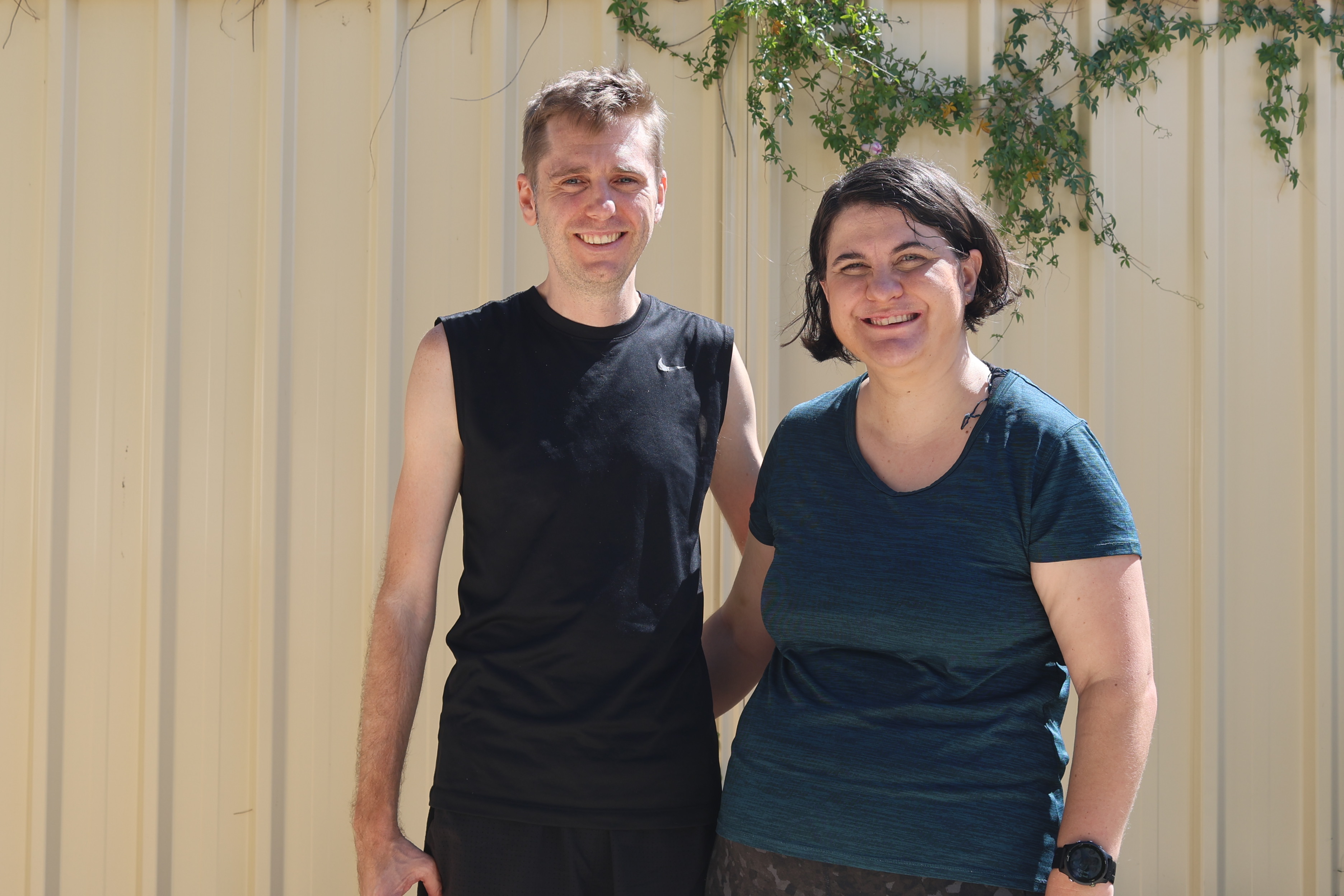
Young professionals, Yhana and Nathan, had talked about becoming foster carers for some time before making the leap.
“When Nathan and I first met, I mentioned to him that I’d like to foster one day,” said Yhana. “We were together for 10 years before we felt ready though.”
“We knew we didn’t want children of our own but wanted to do something impactful,” said Nathan. “When our friends started having kids, it felt like the right time.”
Two years ago, the couple became full time foster carers to siblings from a culturally and linguistically diverse background.
They said the transition from having no children to two young kids had been a big change but a positive one.
“I think some people assume that you have to have your own kids or have experience working with them but that’s not true. These children just need the same things all kids need - a safe home and people who care about them.”
They were also concerned about how their pets would cope with the change. “We were worried about the kids being rough with our pets but they love them (mostly!). Our dog is a bit needy and can get on their nerves, but the cats have been really therapeutic.”
Yhana and Nathan said it had been heart warming watching the children settle.
“Our little guy adores Nathan. Any opportunity for new shoes, new hair, new activity, he wants to be ‘like Nathan’ which is really nice.
“They can be the best of enemies sometimes, in a typical sibling way, but if one is sick or hurt, then the other will always go to their aid, and be very kind and helpful.”
The couple said there have been challenges along the way but the rewards outweighed the problems.
“I've had to let go a bit and do a lot of learning,” said Nathan. “Even when you do everything by the book, the kids can still struggle and that can be exhausting - but there is support available.”
Foster and family carers have access to a range of support to help them in their roles. The Department of Communities have psychologists, Aboriginal Practice Leaders and education officers available to support the cultural, psychological and educational needs of children in care.
Events and information sessions provide opportunities to meet other foster carers and learn new skills. Foster carers and their families also have access to free, confidential counselling services, should they want it.
Yhana said they’d accessed assistance with transport, getting the kids to activities and appointments, and respite services a few times which had been a big help.
“There are really good advocacy and education services too, like the Foster Care Association WA, the Department of Communities’ learning and library, and OurSPACE counselling service,” she said. “Our friends and family have also been very supportive, and love our foster kids.”
“Every smile and achievement is so rewarding, especially knowing how much they have been through. It's also really rewarding when we're able to help them handle big feelings and scary memories.”
“Having kids from a different background has given us such a rich cultural experience. We're forever learning more about their food, language, religion and traditions.”
Yhana and Nathan are advocates for fostering and encourage more people to consider how they can help.
“It’s not always easy but it really is one of the most meaningful things you can do with your life. There's such a huge need and you will make an incredible difference to kids' lives.”
“I’d encourage anyone to start thinking or have conversations about foster caring – and if you think it’s not for you, look to join a foster family's village in other ways – it all helps.”
For more information about foster care, please visit the Foster Care website.
