


OICS particularly acknowledged the Department’s installation of air-conditioning in all prisoner cells, a long-awaited project that has substantially improved living conditions at one of Australia’s hottest prison locations.
The facility for adult prisoners is located near the Pilbara town of Roebourne, which has an average annual maximum temperature of 34 degrees.
“Both staff and prisoners spoke highly of the positive impact this (air-conditioning in the main accommodation units) has had on prisoner welfare and general behaviour within the prison,” it said.
The report also noted improved staff morale, strengthened staff training and cultural and vocational training initiatives helping prisoners build skills and prepare for life after incarceration.
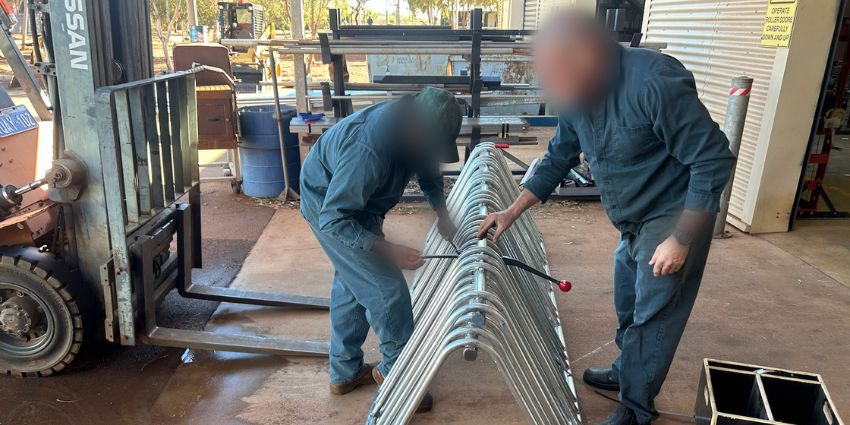
These included the Martu cultural education and transition program, delivered in partnership with Aboriginal organisation Kanyirninpa Jukurrpa, and the Bulujari Guma rail infrastructure training program, which provides participants with practical skills and nationally recognised qualifications.
Department Director General Kylie Maj said Roebourne’s leadership team and staff remain committed to fostering a safe, secure and rehabilitative custodial environment.
“Progress at Roebourne has been very encouraging in light of issues faced by regional communities and prisons alike, such as attracting and retaining workers and housing availability,” Ms Maj said.
"The report acknowledges the dedication of our staff and the positive impact of initiatives that support prisoner wellbeing, cultural connection, education and employment opportunities,” she said.
“We are actively implementing measures to bolster staffing – including temporary secondments – and prisoner services to maintain safe and secure operations and help prisoners strive for a better future.”
Corrective Services Commissioner Brad Royce said the prison’s strategic priorities were reflected in the initiatives recognised by OICS.
“They demonstrate our commitment to building a culture of safety, respect and trust, improving outcomes for Aboriginal people in our care, and creating an environment that supports positive change,” Commissioner Royce said.
“The Martu cultural education and transition and Bulujari Guma rail infrastructure training programs show what can be achieved when prisons work together with local organisations and businesses.
“Improvements in staff morale, training, emergency preparedness and living conditions provide a strong foundation as we continue to implement strategies to strengthen our workforce, expand opportunities for prisoners and support safer communities across the Pilbara,” he said.
 Print this page
