


The WAVE Pilot has been shortlisted for the 2025 IPAA WA Achievement Award for Best Practice in Social Values – a rare honour for an IT initiative.
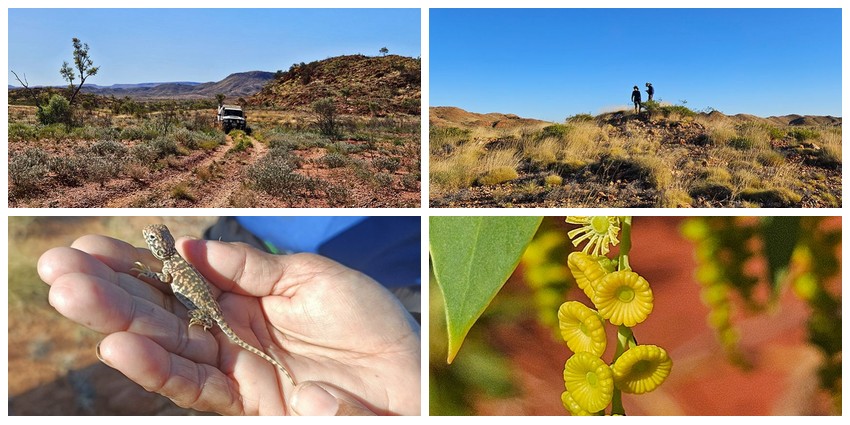
This is in recognition of WAVE Pilot’s vegetation survey project in the Pilbara, designed to provide high-quality, ground-truthed data for artificial intelligence (AI) and machine learning in Western Australia’s sparse grassland ecosystems. These are tricky to detect from satellite images and under-represented in public data.
This collaborative effort with TERN and DBCA brought together government, scientists, Traditional Owners and pastoralists, ensuring that both cultural knowledge and scientific rigour shaped the outcomes.
Next year, 41 new vegetation site surveys from this project will be added to TERN’s 1,000+ site national ecoplots database, available to the public and supporting environmental and climate research worldwide. This means the work will not only benefit the WAVE Pilot but also contribute to global understanding of ecosystems, change and resilience.
It’s not often that an IT project is celebrated for its social values but the WAVE Pilot proves that by prioritising collaboration, multiple benefits and respect for Country, even a pilot project can deliver lasting impact for people, science and the planet.
The IPAA WA awards ceremony is on 12 December.
Image credits:
A 4WD finds the going tough on remote tracks in Karijini National Park. Photo Kirrily Blaylock (TERN Australia).
TERN staff planning survey sites in the Mosquito Land System on Bonney Downs Station. Photo Kirrily Blaylock (TERN Australia).
A juvenile lizard Ctenophorus sp. held by a Budadee Ranger at Tharra, Palkyu country. Photo Donna Lewis (TERN Australia).
Desert shrub Codonocarpus cotinifolius on Muntulgura Guruma country (ex-Hamersley pastoral lease). Photo Kirrily Blaylock (TERN Australia).
