Regional Western Australia is a major driver of the State’s economy. While just over 25% of WA’s population lives in the regions, these communities contribute about 40% of the State’s economy (Gross State Product).
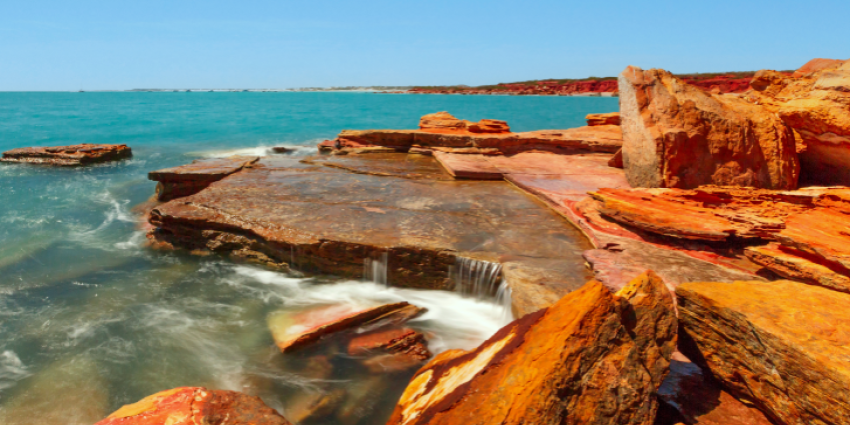
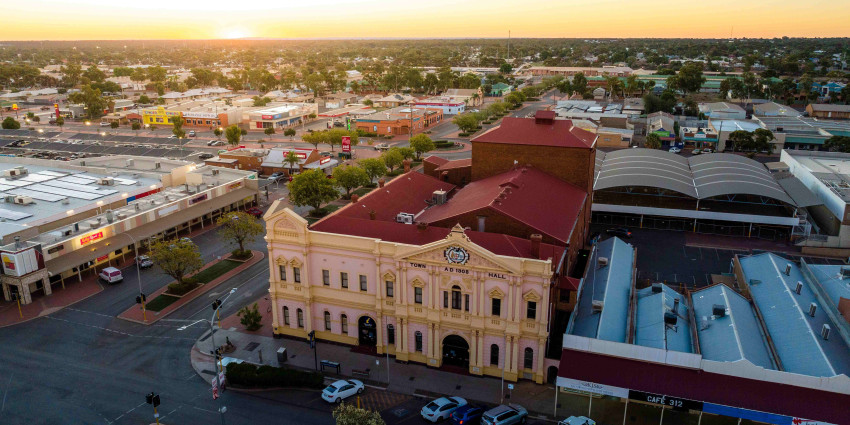
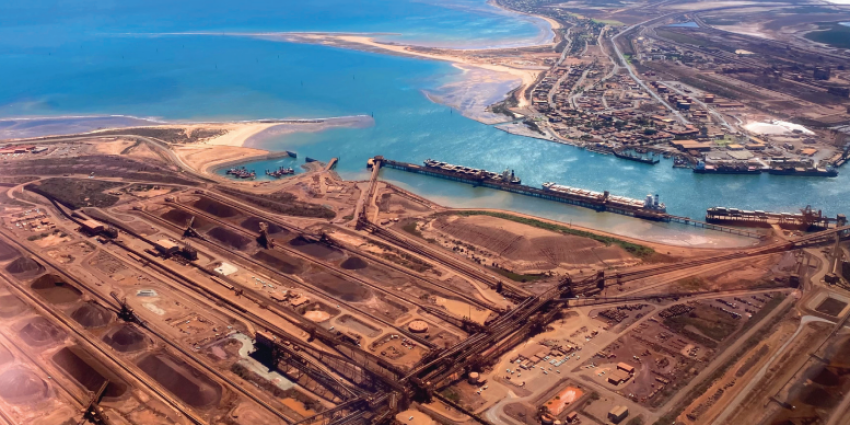
To support future growth and create more opportunities across the regions, seven regional cities have been identified as key centres for economic development in WA. These cities are Bunbury, Kalgoorlie, Port Hedland, Karratha, Broome, Geraldton and Albany.
These cities are major hubs for their surrounding regions, supporting workers, families, local businesses and industries. They also play an important role in delivering services to smaller towns and remote communities across the State.
With strong communities, local opportunities and great lifestyles, these cities are places where people can build their future, attracting more people to live, work and stay in regional WA.

What is the role of WA’s Seven Cities
As WA’s economy continues to grow and diversify, regional areas will play a key role in supporting emerging industries. This includes renewable energy, manufacturing and industrial sectors, helping to create jobs, grow local industries and make more things in WA.
The Seven Cities vision is part of broader strategic plans under the WA Government’s Priorities - Jobs, Health, Housing, Community, Environment, and Infrastructure and Services.
WA’s Seven Cities vision and key goals
Sustainable regional economic growth requires effective community services and infrastructure to attract and retain the skilled workforce needed to support industry development. This includes housing, transport, health and public services.
Seven Cities aims to:
- Enhance regional liveability by providing the infrastructure and services required to support growing populations
- Promote economic development for emerging sectors, such as renewables, by investing in key enabling infrastructure
- Improve the coordination of government programs and services for communities
- Work closely with regional communities to make the most of local knowledge and expertise, including that of Aboriginal people and organisations
Seven Cities initiatives and projects
Targeted economic development initiatives and projects for each of the Seven Cities will help drive growth, supported by the infrastructure needed to support new jobs and opportunities across each of the Government’s priorities.
Examples include:
- Jobs: delivering the State Development Act to accelerate priority projects and industrial precinct development in the regions, expanding access to fee free and low fee TAFE courses, helping develop local skills and strengthen each city’s role as a hub for surrounding regional and remote communities.
- Health: expanding the Patient Assisted Travel Scheme and access to specialised health services in the regions.
- Housing: more than 500 homes for essential workers in regional areas through the Government Regional Officer Housing program (GROH) will be delivered over five years, revamped Home Ownership Subsidy Scheme, including shared equity to encourage government workers to purchase homes in the communities where they work.
- Safe and Inclusive Communities: supporting regional students to participate in Country Week by delivering the Country Week Assistance Program, increasing the recruitment of police officers in regional WA, and expanding the Regional Road Safety Program to Local Government roads.
- Environment: delivering parks and infrastructure projects to protect WA’s unique environment and landscapes including 123 national parks and 21 marine parks, such as Murujuga National Park, William Bay National Park and Karijini National Park.
- Infrastructure and Services: continuing to subsidise power and water bills to regional Western Australians and halving the cost of TransWA fares to support regional travel.
Seven Cities is a long-term strategy for regional Western Australia. As the initiative progresses, more projects and investments will be delivered to support regional economic growth and provide the infrastructure and services communities need. Learn more about each of the Seven Cities below.
Visit the Regional communities webpage to find out more about the projects and resources available in regional WA.
If you want to learn more about the jobs available in the regions, visit WA Jobs and Workforce Hub to search for WA Government jobs.
You can also visit TAFE Western Australia to explore the range of courses available, including fee free and low fee courses, and find pathways into careers in emerging and in-demand industries.