Organisations play an important role in shaping the lives of young people. Involving young people in decisions that affect them helps make programs, services, and policies more relevant, effective, and meaningful. When young people have a genuine voice in how things are done, everyone benefits.
Young people bring fresh ideas, lived experience, and a deep understanding of the challenges and opportunities facing their generation. Their input can lead to smarter solutions, more creative approaches, and better outcomes for the whole community. It also builds trust and shows that an organisation genuinely values inclusion, diversity, and fairness.
There are many ways that your organisation may benefit from involving young people, including:
- Engaging young people builds trust and confidence, making them more likely to stay involved in the community and the organisation.
- Young people are good at coming up with innovative ideas and projects and are often capable of creating and managing them with minimal support.
- Young people have unique knowledge and experience and can be a fantastic resource for many aspects of your organisation. Their diverse views and experiences make them uniquely qualified to contribute to decisions that affects their lives.
- Young people can adapt to and use new technology and can use technology to improve organisational efficiency.
- Input from young people will help keep your organisation informed of current and emerging issues.
- For organisations that provide services to young people, involving young people will increase the likelihood that your initiatives will be more relevant and effective.
As a population, young people have specific needs and may face additional barriers to public participation as a result of their age, skill level, developmental level, and other commitments. There are things organisations can do to support young people to participate fully, safely, and effectively.
The Youth Participation Kit aims to provide basic guidance to organisations at the beginning stages of involving the voices of young people into policymaking, service design and delivery, and organisational culture. They apply to government agencies, community organisations, and any group working directly with young people.
Download the Youth Participation Kit: A Guide for Organisations (PDF, 1.94MB)
This kit is not exhaustive, and if you have further queries on youth participation you can reach out to the Youth Team at the Department of Communities via youngpeople@communities.wa.gov.au.
Why Youth Participation Matters
Show moreThe term ‘youth participation’ refers to the practice of involving young people in policies, services, and decisions that affect them.
Youth engagement is a core component of inclusive governance, and must be systemic, deliberate, and rights based.
For young people, this right is enshrined in Article 12 of the United Nations Convention on the Rights of the Child (UNCRC), which asserts the right of all children and young people to freely express their views in all matters affecting them.
The Western Australian Government’s Youth Action Plan 2024-2027: Koorlangka Bidi establishes a vision for ‘a Western Australia where all young people matter, and feel and are valued and included, supported to achieve their goals, empowered to shape the world they live in, and lead meaningful and fulfilling lives.’
The participation of young people can contribute to a culture of child safety within organisations. By actively seeking and acting on young peoples’ views, organisations demonstrate accountability and transparency, while strengthening the connection with the communities they serve.
Meaningful involvement of young people has other positive outcomes beyond just meeting the rights of young people. When conducted well, youth participation can:
- Enhance democratic outcomes
- Improve organisational safety for children and young people
- Strengthen community engagement and social trust
- Result in policies and programs that better meet the needs of young people, leading to better community outcomes
- Promote individual wellbeing through a sense of empowerment and connection to others
- Cultivate valuable life skills among young people, such as leadership.
In short, young people have a right to be involved in decisions that affect their lives, and when supported meaningfully, they bring innovation, resilience, and insight that can improve outcomes for communities.
Further Reading
- Statement of Commitment to WA’s Children and Young People – Commissioner for Children and Young People WA
- What Can Adults Learn from Children? – Commissioner for Children and Young People WA
- Participation of Indigenous children and young people to improve health and wellbeing – Cory (Kamilaroi), J., Kuchel (Barkindji), H., Dukakis (Gunditjmara), B., Dicker (Palawa), R. and Eades (Noongar), S.
Principles of Meaningful Engagement
Show moreAt its simplest, youth participation is about empowering young people to have a say in decisions that affect their lives.
There is no singular way to involve young people. Meaningful participation of young people can look different for each organisation and context. The method used should be appropriate to the context, the ages of those involved, and the capacity of your organisation.
While youth participation may vary greatly, the following principles should underpin all forms of engagement with young people:
- Respect: Fairly recognise the time, rights, identities, and lived experiences of young people.
- Inclusivity: Actively remove barriers to participation and involve a diverse range of voices that reflect the community.
- Transparency: Be clear about the purpose of engagement, the scope of influence and decision-making processes. Be upfront about any constraints.
- Safety: Provide culturally safe and psychologically supportive spaces. Take steps to ensure participation does no harm.
- Support: Offer mentorship, training, and appropriate resources to support young people to develop their skills.
- Accountability: Show young people how their input was used, the results of their engagement, and how you are taking it seriously.
- Sustainability: Treat engagement as an ongoing commitment, not a one-off task.
A useful model to think of participation is Hart’s Ladder of Participation*.
* Roger Hart, 1992: "Children's Participation: From Tokenism to Citizenship"
Hart’s Ladder illustrates a continuum from non-participation to youth-initiated decision-making. The eight steps of the ladder are:
- Manipulation – Young people are used to support ideas with no real say in it.
- Decoration – Involvement looks good but doesn’t include real decision-making.
- Tokenism – Young people are asked to join but not taken seriously.
- Assigned but informed – You are given a role and understand what it means.
- Consulted and informed – Adults ask for your opinion and tell you what happens.
- Adult-initiated, shared decisions – Adults start the project, but you help make choices.
- Youth-initiated and directed – You lead the activity or decision with support.
- Youth-initiated, shared with adults – You start it and work with adults as equals.
While not every initiative requires full youth control, participation efforts should always aim to move beyond passive involvement.
Further Reading
- The Lundy Model of Participation – UNICEF
- Public Participation Spectrum – International Association for Public Participation
Organisational Readiness and Ethical Practice
Show moreWhen engaging young people, organisations need to consider if they have the tools, systems, and support to do so the right way.
Before engaging young people, the following checklist of questions may help you assess your readiness. Please also see the ‘age-appropriate engagement’ and ‘remuneration and acknowledgement’ sections for important considerations when engaging with young people.
1. Leadership commitment
- Does your leadership understand the importance and value of engaging young people?
- Is leadership committed to providing staff the time and resources to engage appropriately?
- Do strategic plans, policies, key performance indicators, and reporting frameworks include youth participation?
2. Workforce development
- Are your staff trained in youth engagement?
- Does your organisation have a commitment to child safety, trauma-informed practice, and cultural safety?
- Have you reflected on how power dynamics, unconscious bias, and youth–adult partnerships might affect engagement?
3. Policies and frameworks
- Does your organisation have supporting policies such as:
- Clear definitions of participation and engagement?
- Principles guiding youth engagement and collaboration?
- Procedures for recruitment, induction, remuneration and supervision of young people?
- Policies and procedures for young people to raise complaints, provide feedback, or ask questions?
- Has your organisation committed to implementing the National Principles for Child Safe Organisations?
4. Resourcing
- Is there appropriate budget for engagement? Depending on your engagement, this might include:
- Staff time (including adequate staff numbers to provide effective supervision, support and guidance)
- Youth honorariums (or other payments – see the Remuneration and Payment section below)
- Transportation
- Food and venue hire if needed to provide an accessible space
- Accessibility supports such as interpreting services
- Are there clearly defined staff roles regarding youth engagement?
5. Ethical engagement
- How will you obtain informed consent from young people and, if the young person is under the age of 18, their guardians?
- Will you provide clear information about expectations, time commitments, and how young people’s input will be used?
- What will you do to ensure engagement is culturally safe and inclusive?
- How will you ensure participation is voluntary and non-coercive? This may include:
- Ensuring remuneration is appropriate to the engagement.
- Clearly stating participation is voluntary and will not affect potential service provision.
- Providing clear guidelines for young people to revoke consent or cease participation at any time.
- Will you need to offer debriefing or other support following sensitive discussions or projects?
We encourage you to use these reflective questions as part of an ongoing process of reflection, adaptation, and accountability.
Further Reading
- Participation Guidelines – Commissioner for Children and Young People WA
- Obtaining informed consent from young people and parental consent – Office for Youth
Implementation in Practice
Show moreYouth participation requires a planned, flexible, and youth-centred approach. The following steps outline practical ways to engage with young people effectively across different types of organisations and initiatives:
1. Define the purpose and scope
Young people are more likely to engage meaningfully when they understand the purpose of their involvement. Being clear about what decisions or projects they can influence helps set realistic expectations. It is equally important to explain what is open for input and what is already fixed, so young people feel respected and not misled.
2. Engage early and consistently
Involving young people only at the final stages of a project can feel tokenistic. Instead, invite them into the process from the very beginning, whether that is during planning, consultation, design, or evaluation. This consistent involvement helps to build trust and shows that their voices are valued throughout, not just as an afterthought or a ‘tick-box’ exercise. Early engagement is also more beneficial to the planning process.
3. Co-design the process
Participation works best when young people have a say in how it happens. Ask them about their preferred ways of meeting, communicating, and making decisions. Co-designing the process helps to create an environment that feels comfortable, inclusive, and responsive to their needs.
To learn more about co-design and how it differs from consultations or collaborations, visit the Western Australian Community Impact Hub.
4. Use diverse and inclusive methods
No single method works for all young people. Combining approaches such as workshops, surveys, online discussions, or creative activities ensures a wider range of voices are heard. It is also important to make sure activities are accessible and inclusive for young people from diverse cohorts such as LGBTIQA+ young people and young people of varied ages, abilities, and cultural backgrounds.
5. Support capacity building
Many young people will be new to governance, advocacy, or facilitation. Offering training, mentoring, and leadership opportunities helps them to participate with confidence. Peer learning and ongoing support also demonstrate to young people that their growth and development matter as much as the organisation’s outcomes.
6. Facilitate safely and responsively
Young people are more likely to contribute when they feel safe and respected. Facilitators should use approaches that highlight strengths, check in regularly, and adapt sessions to feedback. A trauma-informed approach, breaks, and space for self-expression all help to create a positive experience.
7. Share outcomes and acknowledge young people’s input
Closing the feedback loop is crucial. Young people should see how their ideas have influenced decisions or outcomes. Decisions and outcomes should be communicated in accessible and youth-friendly ways. Publicly acknowledging contributions (with consent) reinforces the message that their time and insights are valued.
8. Integrate young people into organisational governance
For lasting impact, young people should be included in governance structures such as boards, advisory groups, or recruitment panels. These roles should come with mentoring, inductions, and shared leadership opportunities to ensure young people can contribute effectively.
9. Monitor, reflect, and adapt
Participation is an ongoing process. Building in regular reflection, evaluation, and feedback from young people ensures the approach stays relevant and effective. Being open to learning and adapting shows commitment to continuous improvement.
Things to remember
- Be transparent about what young people can influence.
- Involve them from the very start, not just at the end.
- Design the process together and keep it flexible.
- Make space for capacity building, support, and feedback.
- Show young people how their contributions have shaped outcomes.
Age-Appropriate Engagement
Show moreYoung people’s needs, abilities, and interests change as they grow. Engagement should reflect these differences so that participation feels relevant, respectful, accessible and inclusive. What works well for a 12-year-old may not suit a 20-year-old, and organisations that adapt their approach are more likely to build trust and achieve meaningful input.
For younger participants, activities should be interactive, creative, and easy to understand. Using visual tools, games, storytelling, or art can make engagement fun and accessible. Information should be explained in plain language, avoiding jargon or overly complex processes. Younger children may need shorter sessions, with breaks built in to keep them engaged.
Older teenagers and young adults often want deeper involvement, with opportunities to influence decisions directly. They may prefer structured discussions, digital platforms, or roles in advisory groups and governance. Providing leadership opportunities, mentoring, and skill-building activities can empower and prepare them to contribute at a higher level.
It is also important to consider life stages. Young people may have school, university, exams, jobs, or caring responsibilities that affect their availability. Flexible scheduling and options to engage online or in person can make participation more accessible for different age groups.
Organisations should avoid making assumptions about what is too advanced or too simple for young people and instead ask what works best for them. Checking in regularly and adapting methods helps ensure participation is both age-appropriate and meaningful.
Things to remember
- Tailor engagement methods to different age groups
- Use creative, interactive activities for younger participants
- Provide structured roles, leadership opportunities, and mentoring for older participants
- Keep information clear and jargon-free
- Be flexible around school, university, work, or other commitments
- Ask young people what approaches feel right for them.
Remuneration and Acknowledgement
Show moreWhen young people participate in decision-making, advisory groups, consultations, or projects, they contribute valuable time, ideas, and lived experiences that improve outcomes for everyone. Just like adults, young people should be recognised and respected for their contributions.
Remuneration (being paid or receiving a voucher, honorarium, other fair compensation or acknowledgement) is important because:
- It recognises value: Young people’s insights are not ‘less valuable’ because of their age. Remuneration and acknowledgement for young people’s contributions shows that their time and views are valued equally to adults.
- It supports equity: Not every young person can afford to give their time or attend participation opportunities for free. Paying young people for participation helps ensure that all young people, regardless of financial circumstances, can have their say.
- It encourages participation: Remuneration removes barriers to participation, helping young people cover costs like transport, internet data, or meals when attending meetings.
- It reflects principles of fairness: Adults are paid for their time in meetings or consultations when they are being included as an expert. If volunteering, adults are not usually paid however, they may be reimbursed for out of pocket expenses. Providing remuneration to young people acknowledges that their contributions and expertise as a young person deserves the same respect.
- It builds skills and confidence: When young people are acknowledged and/or paid, it demonstrates trust in their professionalism and capabilities, building confidence and a sense of accountability.
How young people can be remunerated or acknowledged
There are different ways to remunerate or acknowledge young people for their participation, depending on the organisation, budget, and the young person’s preferences.
While financial payment is ideal, it is not always appropriate or feasible. In these cases, you can consider other ways of compensating or acknowledging young people’s contributions including:
- Cash payments: An honorarium or hourly or session-based payment for participation in meetings, workshops, or ongoing advisory roles.
- Vouchers: Providing gift cards or vouchers for shops or online stores when cash payment is not possible.
- Reimbursement of expenses: Covering travel costs, meals, or data costs so young people are not out of pocket for participating.
- Certificates or references: In addition to payment, providing certificates, reference letters, or acknowledgment in reports can help young people demonstrate their skills for future study or employment.
- Professional development: Such as free tickets to attend conferences, inclusion in training opportunities, and more. Think creatively about how you can support young people to build skills, connections, and knowledge.
Things to remember
- Remuneration should be clear and agreed on upfront. Young people should know if they will be paid, how much they will be paid and when.
- It should not affect a young person’s Centrelink or family payments.
- Remuneration is not a ‘reward’ for agreeing with adults but a fair payment for time and expertise.
- It is important to offer young people the choice to accept payment or decline it if they wish to volunteer.
Further Reading:
- Lived Experience Framework: Principles and practices for lived Experience partnerships – WA Council of Social Service
- Participation Guidelines – Commissioner for Children and Young People WA
Young People on Boards and Committees
Show moreYoung people bring fresh perspectives, lived experience, and innovative ideas to boards and committees, helping organisations stay relevant and responsive to the needs of the community. Having young people involved in decision-making is not only valuable but aligns with best practice in youth engagement and governance.
Young people need representation on existing boards and committees, not only in youth-specific spaces but in mainstream decision-making bodies across sectors. Their insights can improve services, policies, and organisational culture, ensuring that decisions reflect the experiences and priorities of young people.
However, it is important to recognise that being the only young person on a board or committee with adults can be intimidating. Tokenistic inclusion can lead to feelings of isolation, pressure to represent all young people, and limited opportunities to contribute meaningfully.
Organisations can address this by:
- Recruiting more than one young person to join boards and committees to reduce isolation and support peer connection.
- Providing mentoring or a support person for young members to help them navigate processes and build confidence.
- Using plain language and explaining jargon or processes to ensure meetings are accessible.
- Encouraging youth-friendly meeting practices, such as providing agendas in advance that use accessible plain English, offering flexible meeting times, and creating spaces for young people to ask questions.
- Valuing young people as equal members, ensuring they have real opportunities to contribute, not just observe.
- Providing training and orientation for young members, including explaining their role, the expectations of participation, and decision-making processes.
- Recognising their time and expertise through remuneration, just as other members are valued for their contributions.
- Seeking ongoing feedback from young members about their experience and making adjustments to ensure participation remains meaningful.
By addressing these barriers, organisations can move beyond tokenistic inclusion and towards genuine, effective youth participation on boards and committees. This creates a stronger, more diverse decision-making environment where young people’s contributions are respected, valued, and acted upon.
Further reading
The Western Australian Government portal, OnBoardWA, connects individuals with opportunities on boards and committees across various sectors.
Overcoming Common Barriers
Show moreMeaningful youth participation can face a range of practical, structural, and cultural barriers. The following section outlines key challenges and practical strategies to address them:
1. Tokenism
Tokenism happens when young people are invited to participate without being given real influence. This can be avoided by defining their role clearly, ensuring their input shapes outcomes, and offering opportunities to co-lead. Closing the feedback loop is an essential, but often overlooked, part of consultation processes - young people should be able to see that their voices make a difference. If young people’s advice has not been implemented, organisations should seek to explain the reasons why to young people wherever possible.
2. Accessibility
If engagement activities are difficult to attend or participate in, some young people will be excluded. Making sessions accessible means choosing times that fit with school, university or work schedules, selecting venues that are inclusive and easy to get to on public transport and providing the technology or resources needed for online participation. These practical steps will help to ensure that no one is left out because of circumstances beyond their control or because of where they live.
3. Power imbalance
Young people may feel hesitant to speak up if they sense that adults hold all the power. Creating shared agreements, co-facilitating discussions, and encouraging adults to reflect on their own influence can help balance this. When adults step back and make space for young people to lead, participation becomes more genuine.
4. Lack of diversity
It is easy to hear only from the most confident or visible young people, but this does not reflect the full range of experiences. Partnering with community organisations, providing safe spaces for specific groups, and using inclusive language and imagery helps ensure diverse voices are included.
It is important to offer support for young people from different communities (such as those who are LGBTIQA+, Aboriginal and Torres Strait Islander, culturally and linguistically diverse, living with disability, or who are young carers) to be able to meaningfully participate.
5. Engagement fatigue
When young people are asked to participate repeatedly without seeing outcomes, they can lose trust in the process. Avoiding duplication, making activities creative and enjoyable, and respecting their time through fair payment are important ways to prevent fatigue and keep engagement meaningful.
6. Resource constraints
Limited budgets or staffing can make participation feel out of reach, but small steps can still make a difference. Starting with pilot projects, using cost-effective tools, and advocating internally for dedicated budgets help create sustainable engagement without overburdening the organisation.
7. Staff readiness and resistance
Sometimes the barrier comes from within the organisation itself. Staff may feel unprepared or unsure about working with young people. Internal training, celebrating successes, and designating a youth engagement lead can build confidence and momentum. Partnering with youth-led organisations also brings in valuable expertise and credibility.
8. Regional engagement
Young people living in regional and rural areas face unique challenges when it comes to participation. Distance, smaller population sizes, and limited access to services can make it harder for them to be included. Organisations can address this by building partnerships with local schools, councils, and community groups, and by holding events in regional locations rather than expecting young people to travel long distances. Using hybrid models that combine in-person and online participation can also help ensure regional voices are heard.
9. Technology barriers
Not all young people have equal access to technology or reliable internet. This can exclude those from lower-income families, regional areas, or households without strong connectivity. Organisations should check what young people need to participate online and provide resources such as devices, data vouchers, or access to safe digital spaces. Offering non-digital alternatives, like face-to-face meetings, ensures engagement is not limited only to those with good internet access.
10. Transportation
Transport is a practical but significant barrier, especially for younger participants or those living in areas with limited public transport. Organisations should consider providing travel reimbursements, organising group transport, or choosing locations that are easy to reach by bus or train. Where transport remains a barrier, offering online participation or satellite events in local areas can help reduce exclusion.
Things to remember
- Avoid tokenism by giving young people real influence
- Remove practical barriers by making sessions accessible and affordable
- Share power by co-facilitating and reflecting on adult roles
- Ensure diversity through active outreach and safe spaces
- Prevent fatigue by showing results and reimbursing fairly
- Build staff confidence through training and youth partnerships
- Strengthen regional engagement through local partnerships and hybrid models
- Reduce technology barriers by providing devices, data, or offline options
- Address transport challenges through reimbursements, group travel, or local events.
Further Reading:
- Inclusive Organisations: a guide to good practice strategies for engaging young people from migrant and refugee backgrounds in services and programs – Centre for Multicultural Youth
- Cultural Accessibility Guide: creating safe spaces for young people with disabilities – Youth Disability Advocacy Network
- Where are you going with that? Maximising young people’s impact on organisational and public policy - Australian Youth Affairs Coalition
External Tools and Resources
Show moreParticipation Tools
- Participation Guidelines - Commissioner for Children and Young People WA
- Child Impact Assessment Guidelines - Commissioner for Children and Young People WA
- National Principles for Child Safe Organisations WA: Guidelines - Commissioner for Children and Young People WA
- National Principles for Child Safe Organisations WA: Self-Assessment and Review Tool - Commissioner for Children and Young People WA
Relevant Organisations
- Youth Affairs Council of Western Australia
- Australian Youth Affairs Coalition
- WA Local Government Association
- Office for Youth (Commonwealth Government)
- Commissioner for Children and Young People WA
Youth Data and Demographic Information
- Australian Child and Youth Wellbeing Atlas
- Speaking Out Survey - Commissioner for Children and Young People WA
- Wellbeing Monitoring Framework - Commissioner for Children and Young People WA
- Children & Youth - Australian Institute of Health and Welfare
- Report on Government Services - Productivity Commission
Case Study 1: Youth Participation in a Government Agency
Show moreWA Youth Action Plan 2024-2027 Koorlangka Bidi – the Department of Communities
Youth Action Plan 2024-2027 Koorlangka Bidi (Koorlangka Bidi) champions universal youth services and initiatives. It is based on consultation with more than 2,000 young people across the State.
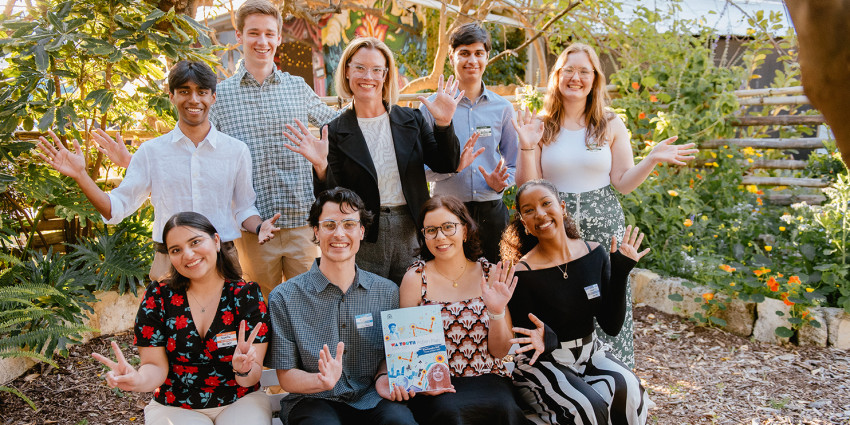
The Department of Communities led the development of Koorlangka Bidi, following the conclusion of Beyond 2020: WA Youth Action Plan. Koorlangka Bidi, which means ‘young people’s path’ in Noongar language, was built through one of the most extensive consultation processes with young people undertaken in Western Australia (WA). The initiative sought to ensure young people’s voices directly shaped whole-of-government priorities and practical actions to improve their lives.
Approach to youth participation
Young people were not only participants but also co-designers of the consultation process. The Department worked with the Ministerial Youth Advisory Council (MYAC) and Youth Week WA Ambassadors to test language, refine questions, and design workshops that were accessible and engaging. Importantly, the workshop facilitators were young people themselves, creating a peer-based model that made participants feel comfortable and valued.
Consultations were conducted across metropolitan, regional, and remote WA. They included school workshops, community forums, drop-in sessions at popular youth hangout spots, and digital options such as online surveys, social media posts, video submissions, and creative formats (for example, art, poetry, or music). This flexibility allowed young people to contribute in ways that suited them. A total of 2,271 young people participated, contributing more than 10,000 individual records (from post-it notes to pitches and surveys).
What made it effective?
- Workshops were adapted to suit the needs of participants, considering the location, age, literacy levels, and cultural context of each region. Activities were adapted so that young people could engage in meaningful and safe ways regardless of their background or circumstances.
- Participants reflected WA’s diverse population with young people from a range of backgrounds participating including those who live in regional and remote WA, are LGBTIQA+, Aboriginal and Torres Strait Islander, culturally and linguistically diverse, living with disability, or young carers.
- Contributions from participants were recognised with a personalised letter from the Minister for Youth recognising their input. Skills development was built into workshops, covering areas like public speaking, networking, and advocacy to ensure that young people left with tangible benefits.
- Solutions-focused activities asked participants to pitch solutions to issues they cared about. This helped them develop problem-solving skills while providing Government with practical ideas for actions to include in Koorlangka Bidi.
- The feedback loop was closed with the draft focus areas, the action plan’s name, and even the vision statement being tested with young people after they were drafted. A copy of the final action plan was shared with all consultation participants so that they could see how their input informed outcomes.
Outcomes
Koorlangka Bidi demonstrates how youth participation can move beyond tokenism. By embedding co-design, valuing contributions, and ensuring transparency, the process not only shaped Koorlangka Bidi but also built young people’s trust in government. It shows that when young people are engaged as partners, consultation becomes a tool for empowerment, learning, and long-term change.
For young people, the process created opportunities to feel heard, build civic and life skills, and connect with existing initiatives like MYAC. Feedback highlighted that many participants felt it was the first time government genuinely wanted to listen.
Case Study 2: Youth Participation in a Non-Government Organisation
Show moreAmplifying and empowering the voices of young people – Youth Focus
As a youth-led organisation, the perspective and experiences of young people are integral in shaping everything we do at Youth Focus. By listening - and learning - from young people, we can show up in ways that are meaningful to them.
Approach to youth participation
One of the ways we do this is through our Youth Reference Groups (YRG), made up of passionate young people aged between 16-25 who help us understand the issues young people care about, and the things that are impacting their communities. Our Youth Reference Groups across Western Australia (WA) have the opportunity to develop and participate in events and activities, and contribute to our service delivery, policies and partnerships.
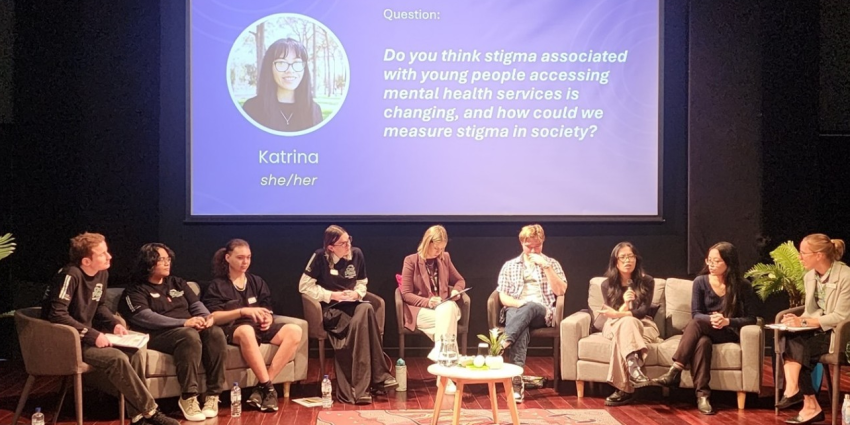
Our headspace Midland YRG and Our Place Youth Committee (OPYC) did just this when they created and organised the third Midland Youth Panel Discussion, held in 2024 at the Midland Junction Arts Centre.
The YRG and OPYC wanted to provide young people with a dynamic platform to amplify their voices, and discuss the topics that mattered most to them, by speaking directly with local organisations, government representatives, service providers, schools, and community groups.
What made it effective?
Youth Focus and headspace staff, and other community members, were invited to submit questions and themes that they wanted a youth perspective on, with each panel member choosing a subject that resonated with them. Over a number of months, the panel members refined their discussion topic, undertook research, worked with staff mentors to develop their presentations, and organised all of the logistics for the event, including a young emcee and chill out spaces in the venue.
Supported by headspace Midland, Youth Focus and the City of Swan, the Midland Youth Panel Discussion featured seven panel members who shared their thoughts and lived experience on a broad range of topics, from raising the age at which young people can access social media, and how to engage young people in co-design of services, to the important connection between healthy bodies and healthy minds, and tackling the stigma around mental ill-health.
Each presentation was authentic, articulate, informative, and compelling.
More than 50 people from across the sector and local community attended, including the Acting Mental Health Commissioner and representatives from WA Primary Health Alliance, Youth Affairs Council of WA, City of Swan, Youth Focus and headspace staff, and many local service providers.
The insights of the panel members gave everyone in the audience much to think about and encouraged a considered Question and Answer session after the presentations. The panel provided the opportunity to extend these discussions after the event, both on the day and beyond.
Outcomes
As well as honing their public speaking skills and building their confidence, this initiative empowered the young panel members to conduct passionate research, engage in self-reflection, and share personal stories and lived experiences. In doing so, they were able to advocate for their peers, influence service structures, and drive policy changes.
The Midland Youth Panel Discussion was an excellent example of to what can be achieved when you create spaces where youth voices can be heard and celebrated.