


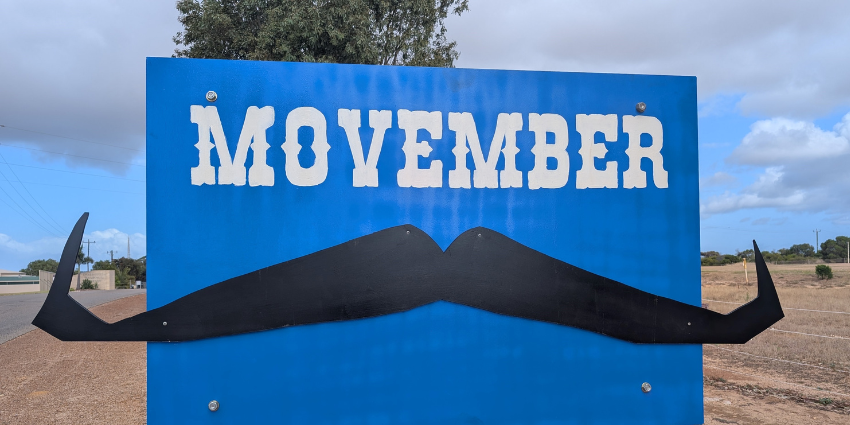
Movember is a global movement shaking up men’s health research and changing the way health services support men.
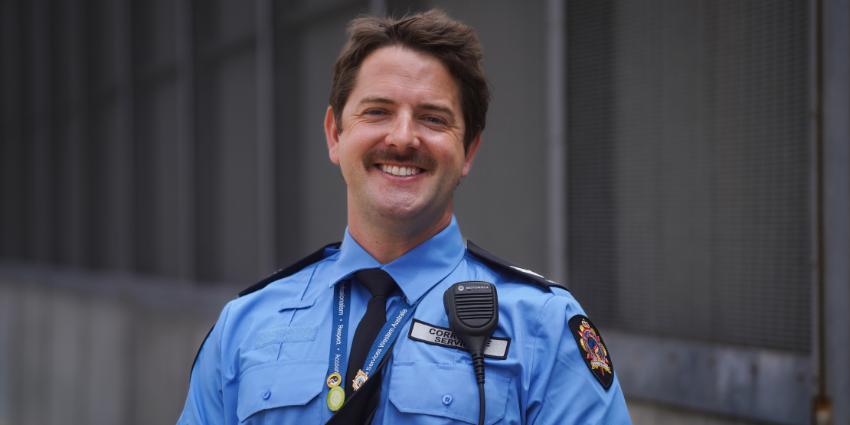
Last week, we caught up with VSO Life Skills Instructor Brett at Greenough Regional Prison in Geraldton, who is leading a new pilot program for men aged 18 to 25.
The program’s goal is to reduce reoffending by focusing on self-regulation strategies and developing a sense of self. These goals open conversations on mental health and wellbeing pathways to healing and change.
“Our aim is to help the prisoners understand their strengths to shift the negative narrative they’ve had about themselves to a positive one, and to improve behaviour across the cohort”, Brett explained.
The program includes activities such as cooking, fitness, team building, art therapy, trust exercises, and music as well”, Brett explained, adding, “all designed to build self-awareness, confidence, and connection.”
A key feature of the program is the House Uncle project, where older prisoners mentor younger program participants.
We chatted with one of the House Uncles about their mentoring role.
“The term House Uncle reflects the role we have for the younger boys”, said one of the three House Uncles.
“We support the younger fellows, make sure they behave and encourage them to improve their behaviour in prison to improve their chances of success on the outside”, he said.
“For me personally, it’s huge to be a House Uncle, to be someone others can trust and to give back. It makes me feel good on the inside.”
Brett explained that the House Uncles also help co-design the sessions and provide insights into the support the younger offenders need.
“The House Uncles help facilitate the sessions, and they’re back in the units as someone to lean on.”
Since the program began, Brett has noticed a significant improvement in the younger prisoners’ behaviours.
“We have seen a clear reduction of incidents. As a cohort, the group is interacting more positively, there’s less impact on staff. Overall, the program is contributing to reduced recidivism.”
By building new skills and capabilities, engaging in education, fitness and wellbeing activities, and reshaping their personal narratives, participants are improving reintegration outcomes, contributing to a safer community.
“This program has not only significantly improved the welfare of our prisoners, but also the health and wellbeing of staff”, Brett added.
The program also aligns with all four areas of the new Corrective Services Strategy and our Reconciliation Action Plan (RAP), including meaningful connection and involvement with Aboriginal people, and building a strong culture of safety, respect and trust.
 Print this page
