


Underpinning everything we do is our values of Collaboration, Accountability, Respect and Excellence. We call it taking CARE of business; because we CARE about each other, about the work we do, and about the Western Australian community.
Collaboration – We work together as one team, building strong relationships, share knowledge, and align our efforts to deliver better outcomes for the community and industry.
Accountability – We take ownership for our decisions, actions and outcomes, make timely decisions and following through on our commitments.
Respect – We treat people with professionalism and care, we are transparent and have genuine appreciation for different perspectives, expertise and lived experience.
Excellence – We deliver high-quality, timely and fair outcomes and aim to continuously improve.
Living and working by our values matters to us. They define who we are, how we work, and what we stand for.
If these values matter to you, maybe it’s time to make a move.
Integrity
As public sector employees, we are in a position of trust and will act with integrity and professionalism at all times.
Our way of doing business is fair and unbiased. Working with integrity is embedded in all aspects of our work.
We have a Code of Conduct, and the Commissioner’s Instruction 7: Code of Ethics that provide a framework for the ethical behaviour expected from all our employees.
Some of our advertised roles could include a high risk of conflict of interest between a work duty and personal or private interests, which will be included information in the Job Description Form (JDF).
Before being appointed, the department will undertake a Nationally Coordinated Criminal History Check (NCCHC). A criminal record does not necessarily disqualify you from employment, and the department may undertake a risk assessment before you are employed.
Access the Privacy collection notice for Recruitment and Employment
Collaboration drives continuous improvement
Show more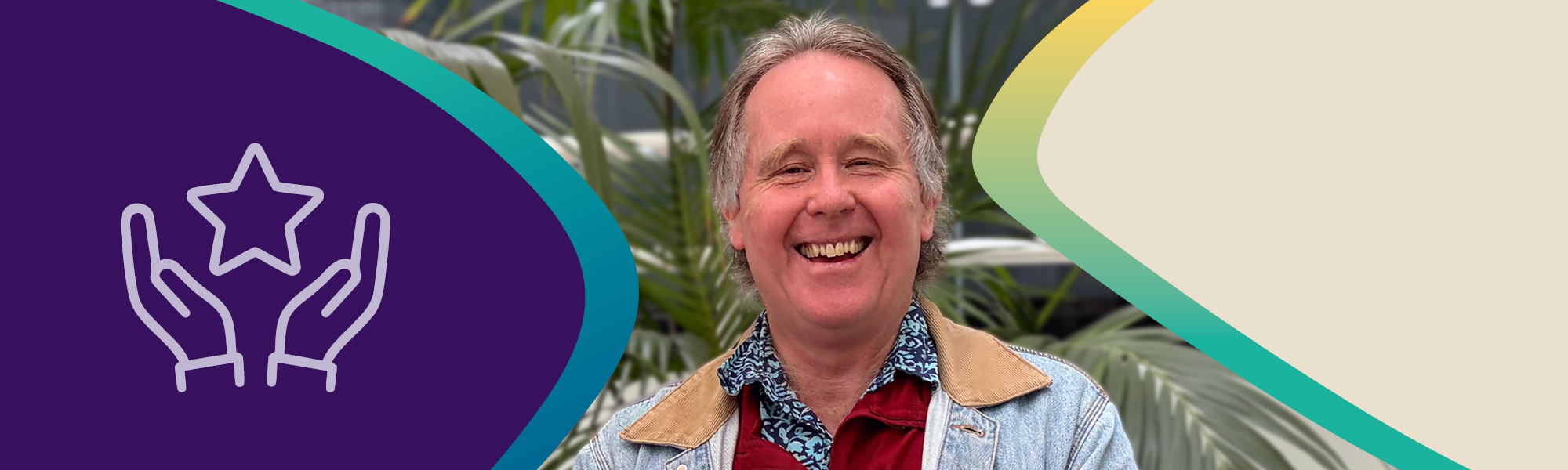
When it comes to collaboration, Stephen Lane believes one thing is clear: we achieve more together than we ever could alone.
As a Senior Inspector in WorkSafe's Major Hazards Facilities branch, Stephen’s team case manages 21 Western Australian sites that have been declared major hazard facilities, including gas processing operations. His role focuses on ensuring companies deliver on the commitments outlined in their safety cases to protect workers, communities and industry.
For Stephen, collaboration is about bringing people together to share their expertise and learn from one another.
This was evident when he hosted a seminar on Emergency Release Couplings, bringing together staff from the Dangerous Goods Safety, Major Hazards Facilities and Petroleum Safety branches. The forum created an opportunity for specialists from across the organisation to exchange ideas, discuss emerging safety challenges and strengthen a shared understanding of contemporary issues affecting Western Australian industry.
That has culminated into the 2026 Technical Topical Seminar series where Stephen created and organised 13 fortnightly group technical training sessions. These sessions addressed both operational risk and industry compliance, bringing the three different teams together to improve knowledge and respect for peer and team competencies. Importantly, this extends to improved regulatory capabilities.
"We are stronger as a team," Stephen said. "Collaborating with each other, and with industry, and showcasing leading practice through forums and conferences is a great way to drive continuous improvement."
By fostering conversations across teams and encouraging knowledge sharing, Stephen demonstrates how collaboration can lead to better safety outcomes for industry and the community.
Accountability in action through the Mines Statutory Positions Program
Show more
Strong leadership starts with accountability: making timely decisions, communicating clearly, following through on commitments and taking responsibility for outcomes. For Vanessa, these principles are central to leading the WorkSafe team responsible for the Mines Statutory Positions (MSP) Program, which plans, organises and delivers WA’s MSP legislation exams.
Required under the Work Health and Safety (WHS) (Mines) Regulations 2022, the exams assess whether mining executives and managers seeking to occupy critical statutory positions have the necessary understanding of the law to fulfil their WHS responsibilities. They must demonstrate competence by passing the exams before being appointed to a statutory position.
Vanessa is responsible for ensuring the effective and efficient delivery of the exam process and keeping the program accountable to the Western Australian community. Leading a high-performing team, she provides clear direction and support to ensure mining and related companies, as well as exam candidates, receive timely and accurate information. Her team answers queries, supervises exams, provides additional support and ensures systems and bookings run smoothly. This important work ensures integrity, consistency and fairness throughout the exam process.
For Vanessa, accountability means delivering on commitments and maintaining a strong focus on outcomes. She leads key strategic projects that balance the efficient use of resources with upholding high standards across the program.
Through clear communication, timely decision-making and a commitment to continuous improvement, she helps ensure the program delivers value for both industry and the WA community. Vanessa works with a wide range of stakeholders and says that building trusted relationships through transparent communication has been critical to achieving positive outcomes and maintaining confidence in the program.
Vanessa understands that effective leadership requires clarity, consistency and accountability, both to her team and to the people who rely on the program. Under her leadership, the MSP Program team has gone above and beyond to deliver for Western Australians, providing a seamless end-to-end experience for customers and ensuring equitable access for all.
Vanessa describes them as “a shining example of what a united and highly functioning team can achieve when provided with a safe and supportive work environment”.
Vanessa believes accountability means taking ownership of decisions and standing by them, while being open about risks, progress and outcomes. Her approach is grounded in transparency, responsibility and a willingness to make decisions that support community safety and the broader goals of the department.
Since the program's commencement in 2023, more than 34,000 mining workers have sat the MSP exams. By ensuring statutory position holders can meet their obligations, Vanessa and the MSP team play a vital role in supporting safe and compliant workplaces across WA's mining industry.
Fuelled by excellence
Show more
Naresh is a .Net Developer within our Strategic Business Innovation Division, responsible for delivering a high-quality product to the Western Australian community.
You may have heard of FuelWatch, a tool that maps every fuel retailer in Western Australia and their fuel prices, so you can choose where and when to fill up. What makes it particularly helpful is that it highlights the cheapest fuel prices, which is essential for all Western Australians.
Naresh’s role is to provide support and maintenance, both to the external facing platform that Western Australians use and the administration and industry side.
“I am the primary developer responsible for the FuelWatch applications, including bug fixes, enhancements, and the implementation of new features. Recently, I delivered the new Out-of-Supply functionality across all three FuelWatch applications, so that, as the name suggests, Western Australians can see who is completely out of fuel.”
He also investigates and resolves production issues, providing timely solutions and fixes to ensure the applications remain reliable and available, demonstrating one of our department’s core values of excellence.
“I believe in maintaining an excellent standard of work at LGIRS. That means delivering effective, high-quality solutions for production issues and resolving them as quickly as possible to minimise service disruption and downtime.
“It also involves maintaining system reliability while continuously seeking opportunities to improve performance and the user experience.”
Naresh’s work was particularly vital during the fuel crisis, when FuelWatch experienced a significant increase in visitor traffic.
Working closely with his team, they had to adapt quickly, “introducing new features to help users locate the most suitable fuel stations more easily, ensuring the service remained reliable and responsive during a period of high demand.”
For Naresh, being able to use FuelWatch to provide valuable information that helped save the community time, effort and money was incredibly meaningful.
“I felt truly grateful and humbled to have the opportunity to give back to a community that has given me so much throughout my life.
“Knowing that we made even a small difference and brought smiles to people's faces was one of the most rewarding experiences I've had.”
Supporting community safety, guided by respect
Show more
At the Department of Local Government, Industry Regulation and Safety, our staff members are at the heart of everything we do, helping to deliver services that support and protect the Western Australian community. Guided by our CARE values, collaboration, accountability, respect and excellence, our employees from a diverse range of roles make a positive impact on the community while contributing to an inclusive and respectful work environment.
Salli has been a regional licensing officer at the department since 2023. She assesses and has acted as an auditor with licences and permits across a range of applications to ensure they meet the required regulatory standards. As a licensing officer, Salli plays an important role in helping to uphold industry standards to keep the WA community safe.
Beyond her day-to-day responsibilities and being a busy mother of five, Salli is passionate about learning from First Nations people on their culture and experiences. In her own time, Salli regularly attends Aboriginal cultural and educational events such as the Noongar Waangkiny Language and Culture Classes, Kaartdijin Dandjoo Learning Experience, volunteers at the Boola Bidi Dreaming, and supported by LGIRS, Salli has also been able to represent the department three times at the annual Walk for Reconciliation Bunbury and Harvey.
Alongside this, Salli is studying at Murdoch University, completing a Double Degree in Community Development and Indigenous Knowledges and Practices. She shares her learnings and experiences with her colleagues, expanding their knowledge and understanding for Australia's First Nations people.
“Speaking to others about my experiences that I’ve learnt from First Nations people is important. It encourages different conversations and learning in the workplace.
“It’s also important for fostering allyship; to encourage Wadjelas (non-Indigenous peoples) to really be absorbed in the listening and learning of this rich and vibrant culture.”
Salli embodies the department’s value of respect by actively seeking to understand different perspectives and sharing that knowledge with others, while bringing the same respectful approach to her work serving the WA community.
Stories like Salli's demonstrate how our CARE values are brought to life every day, helping to create an inclusive workplace culture while supporting our commitment to serving the Western Australian community.
“It doesn’t matter what age you are and where you come from, respecting each other makes the world a better place”.
