The Office of the Coordinator General

We help drive and facilitate regulatory approvals across government to progress Priority Projects and State Development Areas.
Last updated:

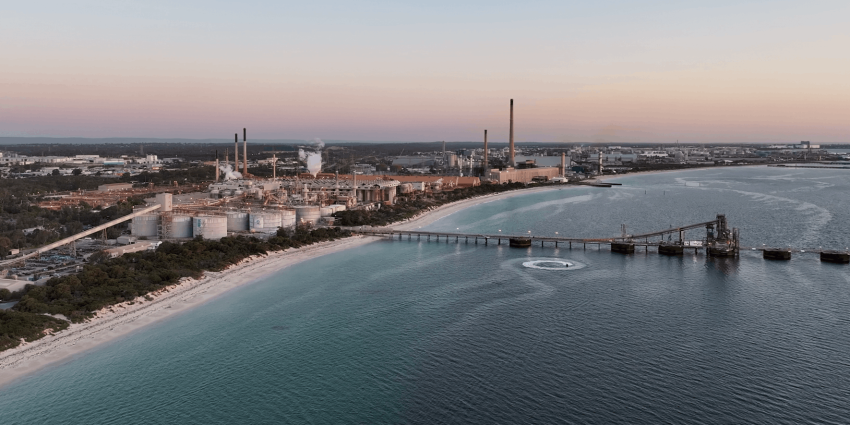
The Office of the Coordinator General works to support Western Australia's ambitious energy transition, decarbonisation and economic diversification goals. With a focus on industrial land activation and facilitation of major job-creating projects and precincts, the Coordinator General will support the State to rapidly pursue opportunities and grow the State's competitive advantage to ensure Western Australia remains a great place to invest.

The Office of the Coordinator General was initially established in 2023 in the former Department of Jobs, Tourism, Science and Innovation. As part of the 2025 Public Sector Reform, this function was transferred to the Department of the Premier and Cabinet. This move is a part of a broader initiative of the Western Australian Government, to improve how strategic projects and precincts across the State are identified, coordinated and delivered. 

The State Development Bill 2025

Western Australia's approvals and regulatory system is robust and has continuously improved due to sustained government investment. A key strategy in continuing this success is the ability to enable a more coordinated, strategic approach to investment in infrastructure and the energy transition.

The State Government has introduced the State Development Bill 2025 to enhance productivity and improve how projects and precincts of strategic importance to Western Australia are identified, coordinated, and delivered.

Under the legislation, the Premier will have powers to declare Priority Projects and State Development Areas. This will be supported by the Coordinator General, who will be delegated statutory powers to accelerate and oversee regulatory processes and industrial land activation, enabling the State to respond rapidly to emerging opportunities and reduce duplication.

The legislation aims to strengthen WA’s ability to attract major job-creating projects and achieve the State’s ambitious energy transition and decarbonisation goals, while responsibly meeting existing robust approvals obligations.

 Frequently Asked Questions

What powers does the State Development Bill 2025 establish for the responsible Minister and Coordinator General?

The Bill gives the Premier statutory powers to declare precincts and projects of State significance, based on recommendations from the Coordinator General.

Through delegated statutory powers of the Coordinator General, these declarations enable fast-tracked, coordinated approvals and whole-of-government support for strategically important developments.

What is a State Development Area?

State Development Areas are identified areas of land intended to support State development. 

A State Development Area may be:

  • An existing Strategic Industrial Area of high priority
  • A new industrial hub to support clusters of industry
  • A common user infrastructure corridor 

What is a Priority Project?

Priority Projects are projects designated by the Premier as being strategically significant to the State.

A project may be strategically significant if it delivers critical or common-user infrastructure, or strong capital investment with economic or social benefits and job-creating opportunities. 

What are the benefits for precincts and projects being declared a State Development Area or Priority Project in Western Australia?

Precincts or projects declared as State Development Areas or Priority Projects receive a range of benefits that help streamline and accelerate their delivery.

These include:

  • Fast-tracked approval processes through coordinated notices issued by the Premier and Coordinator General.
  • Whole-of-government support, ensuring consistent and efficient engagement across agencies.
  • Strategic recognition, highlighting the project’s importance to the State Government’s development priorities.
  • Integrated infrastructure planning, including access to corridors and networks that support long-term investment.

These designations will help unlock opportunities, reduce delays, and ensure precincts and projects are aligned to the WA Government’s broader economic diversification, productivity and decarbonisation goals.

What consultation was undertaken in developing the State Development Bill 2025?

The Bill was shaped through consultation led by the Office of the Coordinator General. Stakeholders across government were invited to contribute, including formal submissions from key agencies.

Feedback from these consultations informed critical elements of the Bill, such as the inclusion of designated Acts and the overall policy direction. This collaborative approach helped ensure the Bill is fit-for-purpose and reflects a range of perspectives and priorities.

What transparency measures are built into the State Development Bill 2025?

The Bill includes a range of checks and balances to ensure coordination efforts work alongside Western Australia’s existing regulatory system.

It introduces mechanisms to improve coordination and reduce duplication across government processes.

The Coordinator General’s role is to support, not replace, existing regulators. This ensures decisions remain transparent, accountable, and subject to appropriate oversight, and in alignment with broader government priorities.

For proposed State Development Areas, a legislated consultation process is required, meaning it must be gazetted and made available for public comment before a final decision is made. Priority Projects must be gazetted, meaning the declaration is publicly available and formally recorded.

This process is more transparent than the existing system and places the obligation on the WA Government to inform the community and consult where required before declarations are made.

Will the State Development Bill 2025 replace existing planning or environmental laws?

No. The Bill is designed to complement the existing approvals system, not replace it. It has been carefully developed with WA’s unique regulatory framework in mind, following extensive consultation with key agencies including the Department of Planning, Lands and Heritage and the Department of Water and Environmental Regulation.

What protections are in place for environmental and Aboriginal heritage assessment processes?

The Bill maintains and respects existing Aboriginal heritage protections – preserving the integrity and intent of existing safeguards. The Aboriginal Heritage Act 1972 (AHA) is not included in the list of designated Acts, so the broader powers of the Bill do not apply to it. However, the Bill will apply to the AHA's Section 18 process, where a timeframe notice could be issued, but only for a designated Priority Project. The Bill will support earlier, more meaningful and more transparent engagement with Traditional Owners, ensuring their perspectives inform planning decisions from the outset.

Environmental safeguards remain central to the approvals process, with the Coordinator General facilitating, not bypassing, assessment pathways. There are specific carve-outs for the Environmental Protection Authority (EPA) to ensure integrity and independence is respected. The Bill cannot be used to issue the EPA with a joint decision notice or due regard notice.

How does the State Development Bill 2025 compare to similar legislation in other jurisdictions like Queensland, South Australia and the Northern Territory?

The Bill brings WA in line with other jurisdictions that have established mechanisms to coordinate and accelerate strategic development.

WA’s approach is tailored to our unique regulatory environment. The powers established under this Bill are designed to improve existing approvals processes that are already in place.

This balanced model enables WA to remain competitive nationally and internationally, attract investment, and rapidly pursue opportunities in infrastructure, energy transition, and economic diversification, while maintaining the integrity of our existing robust regulatory system.

When will guidance material and resources for implementation be released?

Guidance materials, including fact sheets, assessment framework, and supporting tools, will be released following the passage of the Bill. 

What are the next steps for the State Development Bill 2025?

Following its introduction to Parliament, the Bill will progress through the standard legislative process, including debate and potential amendment.

If passed, implementation will occur in stages, supported by updated regulations, guidance materials, and digital tools to assist stakeholders.

The Office of the Coordinator General will continue engaging with stakeholders to support a smooth transition.

How can stakeholders stay informed or contact the Office of the Coordinator General?

The Office of the Coordinator General welcomes interest and involvement as we work to implement a more coordinated and efficient development approvals system. Stakeholders are encouraged to reach out with questions, feedback, or requests for further information.

You can email the Office of the Coordinator General for more information on the Bill.

Announcements

News story

Welcoming our new roles and functions to DPC

Today the Department of the Premier and Cabinet (DPC) officially welcomes new roles and functions to our team: the Office of Defence Industries, the Office of the Coordinator General and the Office of Early Childhood.

Have a question or want to report a problem?

Fill in the form to get assistance or tell us about a problem with this information or service.

Send feedback