


New membership for the Ministerial Advisory Council on Disability
The Minister for Disability Services invited expressions of interest from people with lived experience of disability, as well as carers and advocates to join the Ministerial Advisory Council on Disability (the Council).
Applications have now closed. Information about new members will be announced in due course.
Established under the Disability Services Act 1993, the Council provides independent advice to the Minister on issues affecting people with disability, their families and carers and plays a key role in ensuring the voices of people with disability are heard and included in government decision-making. It advises on ways to improve inclusion, accessibility and participation for people with disability, and supports the delivery of the WA Government’s ‘A Western Australia for Everyone: State Disability Strategy 2020-2030’. Members are paid for their participation.
The Council strives to reflect the diversity of the disability community.
For further information about the Council and its work, please contact Hannah Penney, Manager Governance and Coordination at DisabilityGovernanceAndCoordination@communities.wa.gov.au.
Council membership
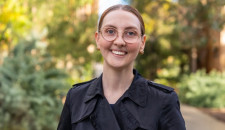
Miss Ellie Moir (Chairperson)
Chair, Ministerial Advisory Council on Disability
Chair 26.01.2026 to present
Member 28.01.2025 to 26.01.2026
Miss Ellie Moir is a Nyoongar woman born in Esperance on Wadjuri Country, with family connections to Minang Noongar Country in the Great Southern of Western Australia.
Ellie's commitment to disability advocacy is grounded in both lived and professional experience. From the age of 12, she and her sister became primary carers for their mother following the onset of disability. At 17, Ellie was diagnosed with Ehlers-Danlos syndrome, giving her personal experience navigating complex health and disability systems as both a carer and a person with disability. These experiences shaped her commitment to improving disability policy, service delivery and equitable access to support, particularly for Aboriginal people and those living in regional and remote communities.
Ellie is a registered Social Worker with a Bachelor of Science (Psychology) and a Master of Social Work. She is currently undertaking a PhD exploring Aboriginal connection to Country as a culturally grounded approach to health and wellbeing.
Professionally, Ellie has worked across disability services, social work, research, policy and higher education. Her experience includes therapeutic and case management roles, NDIS support coordination, project management, healthcare research, university teaching and curriculum development. She has led Aboriginal consultation and co-design projects, contributed to policy and service reform, and worked collaboratively with Aboriginal communities, government and community organisations to improve culturally safe and inclusive systems.
Ellie is passionate about advancing Aboriginal self-determination, disability rights, community-led decision making and culturally responsive practice. She brings expertise in stakeholder engagement, policy development, participatory research, governance and strategic project delivery, alongside a strong commitment to ensuring that the voices of Aboriginal people and people with disability shape the policies and services that affect their lives.
Mrs Apollonia (Nia) Parker
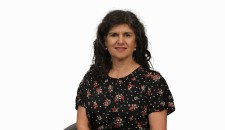
Member, Ministerial Advisory Council on Disability
06.10.2023 to present
Nia is the mother of an adult child with Down Syndrome and the Chair of the Board of Management of Down Syndrome WA. Through this experience and connection, she has developed consumer and provider knowledge of the National Disability Insurance Scheme (NDIS) and a thorough understanding of the roles and responsibilities of the different jurisdictions to provide for people with disability, including those who are not eligible for the NDIS.
As a physiotherapist with more than 30 years’ experience working in rural and regional areas of Western Australia in both private and government sectors, Nia has a deep understanding of the difficulties faced by people living with a disability outside the metropolitan area to access health care, therapy, play, other social groups, appropriate education and housing, and respite for carers (as just a few examples).
Nia founded RockAbility, a networking group for young adults with an intellectual disability, and their families, to provide increased social opportunities and support within the Rockingham area. She has a special passion for inclusion of people with an intellectual disability, particularly in the areas of open employment and social connection.
Mrs Barbara van Reyk
Member, Ministerial Advisory Council on Disability
06.10.2023 to present
Barbara is a retired Solicitor who completed 25 years of service with the State Solicitor’s Office in Western Australia. Prior to that position she was a legal officer with the Department of Corrections. She advised on issues relating to offenders with a disability who were going through the criminal justice system at all stages, from police involvement to conviction, incarceration and release on parole.
As a community member on the Prisoners Review Board, Barbara used her experience with offenders with a disability to make a valuable contribution to the matters for determination by the Board.
Through these experiences Barbara became aware of the serious disadvantages suffered by those with a disability both physical and intellectual. She was inspired to advocate for change and improved services for this vulnerable group.
In 2004, Barbara was appointed as an advocate for a mature aged woman who lived with intellectual and physical disability. It was through this experience that she discovered the challenges faced by people with disability in all aspects of their lives. Barbara got to know other residents where her friend lived, and assisted them, wherever possible, earning Barbara the 2007 Dick Porter Award for outstanding contribution to the organisation.
Ms Nicole (Nick) Avery
Member, Ministerial Advisory Council on Disability
28.01.2025 to present
Ms Nick Avery is the Chief Executive Officer of South West Autism Network (SWAN), a Disabled Persons Organisation in regional Western Australia, a role she has held for 16 years, leading strategic initiatives to support people with disabilities and their families, particularly in regional and remote areas.
Nick has successfully developed, managed, and delivered a range of programs and services, including the Regional Toolkit, JumpStart, AutStars and the Youth Engaging Successfully (YES) program. These initiatives focus on building capacity, inclusion, and self-management skills among individuals with disabilities.
Nick’s systemic advocacy work spans multiple levels of government, having provided evidence at numerous Commonwealth and State Government Inquiries. She actively engages in policy consultation processes and serves on key Forums and Working Groups. Currently, she is a contracted representative for Every Australian Counts (EAC) to the National Disability Insurance Agency (NDIA) and the Department of Social Services (DSS), focusing on NDIS reforms and codesign. She co-chairs the Participant Pathway Experience Working Group with the NDIA, and is a member of the Rural and Remote Advisory Group (RRAG), advising the NDIA on issues affecting people with disability in rural and remote communities. Nick is also co-chair of the Self Manager Hub, the peak national organisation representing people self-managing and self-directing disability supports.
Nick’s practical experience in governance, stakeholder engagement, and systemic change aligns with MACD’s mandate to advise on policies affecting people with disabilities.
Miss Rachael Burns
Member, Ministerial Advisory Council on Disability
28.01.2025 to present
Miss Rachael Burns (she/her) is a Lived/Living Experience advocate working across youth, mental health, psychosocial disability and broader disability systems. Her work is grounded in intersectionality, recognising the complex ways experiences of distress, disability, identity and social disadvantage interact to shape people’s lives and access to support.
Rachael contributes across multiple councils, committees, peer spaces, research projects and community initiatives, bringing a nuanced understanding of psychosocial disability, neurodivergence and invisible disability. She draws from both her own expertise and the diverse communities she works alongside to inform policy, practice and governance.
Rachel is the CEO and Founder of Integrity Initiative, a grassroots lived experience led charity cultivating autonomy, dignity and human rights in mental health conversations and care. Integrity Initiative delivers custom care packages, peer led workshops, community building initiatives and advocacy projects designed to strengthen agency, connection and cultural safety.
Rachael brings a strong commitment to human centred, rights based, and intersectional practice to the MACD, ensuring lived experience expertise is embedded meaningfully and respectfully.
Mrs Kristine Schroder
Member, Ministerial Advisory Council on Disability
28.01.2025 to present
Kristine lives in WA’s South West and holds a Bachelor of Education, Primary majoring in Special Needs. Throughout her 24 years in education, she has dedicated her career to driving and developing inclusive practices for students with disability. Kristine has a particular passion for developing transition programs that support students with complex needs to finish school and become active members of their community.
For the past four years, Kristine has been Principal at College Row School in Bunbury, a school for students with complex cognitive, medical, behavioural and/or communication needs. She has worked closely with the school council to develop practices that rely on close connections with the Bunbury community.
College Row School has partnerships with more than 70 allied therapist agencies and support workers who come to the school and work alongside staff to get best outcomes for students. They have developed a connected community that supports one another to reflect and plan to provide best outcomes for students and staff.
As students graduate from the school, the agencies supporting them post school are part of the community that has developed.
Mr Siljan Stojkovski

Member, Ministerial Advisory Council on Disability
28.01.2025 to present
Mr Siljan Stojkovski has never allowed his disability to define or restrict him from achieving goals he sets for himself. Born with Cerebral Palsy, he graduated from high school with high academic results and went on to gain a university degree, with Second Class Honours, in Applied Science that led to his career in Construction. He overcame many obstacles and attitudes to progress in his career to his current role as Project Director.
Siljan believes his knowledge of construction, project management and contract management, coupled with his years of interactions with private business and government departments, has shaped his unique perspective on tension points and opportunities for process and systemic improvements for people with disability.
As a participant of the NDIS, Siljan has a greater understanding of the purpose, benefits, challenges and frustrations faced by many people with disability, their families and carers. Siljan is a voice for people who have a disability while he strives to be part of the community with no bias, judgement or preconceived views on what an individual person can achieve.
